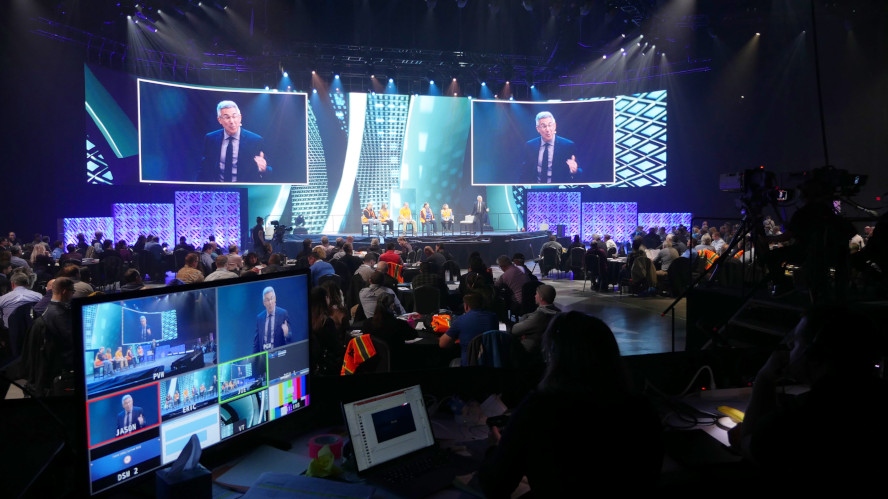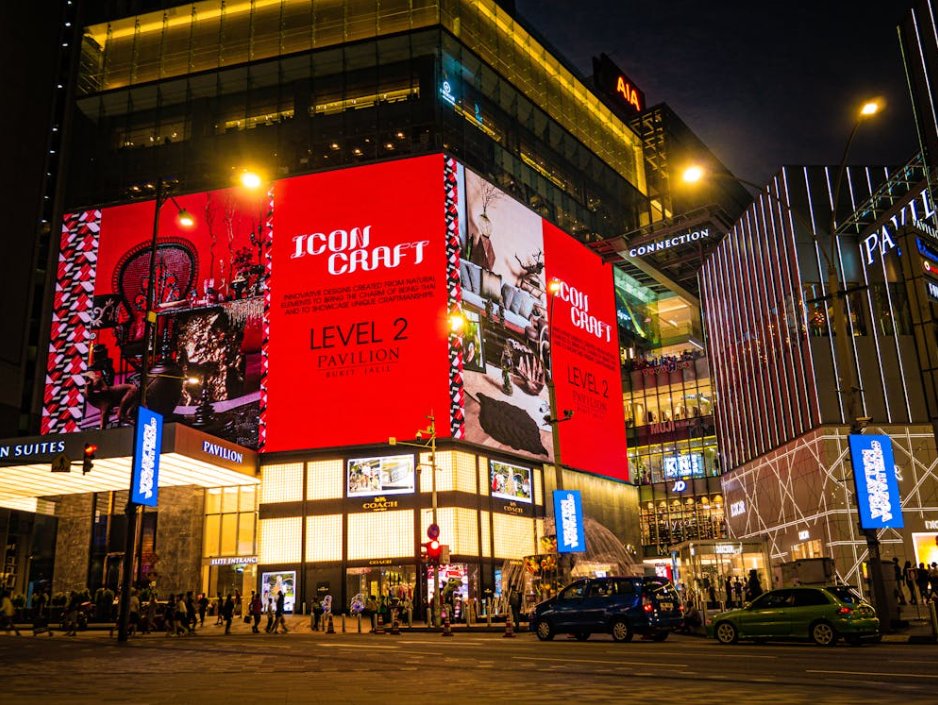
In the fast-paced world of digital display technology, making the right investment for your venue or event can be the difference between a breathtaking visual experience and a technical headache. For B2B buyers and project managers, the term “Refresh Rate” often surfaces as a critical specification. But why does it matter for your bottom line?
As a professional manufacturer with over 15 years of industry expertise, King Visionled specializes in high-performance display technology. We understand that whether you are setting up a virtual production studio, a high-end command center, or a massive outdoor billboard, the hardware must meet the rigorous demands of modern cameras and human eyes alike. This guide breaks down the essential differences between high refresh rate and regular screens to help you make an informed procurement decision.
Visual Stability: Eliminating the “Flicker” and Scan Lines
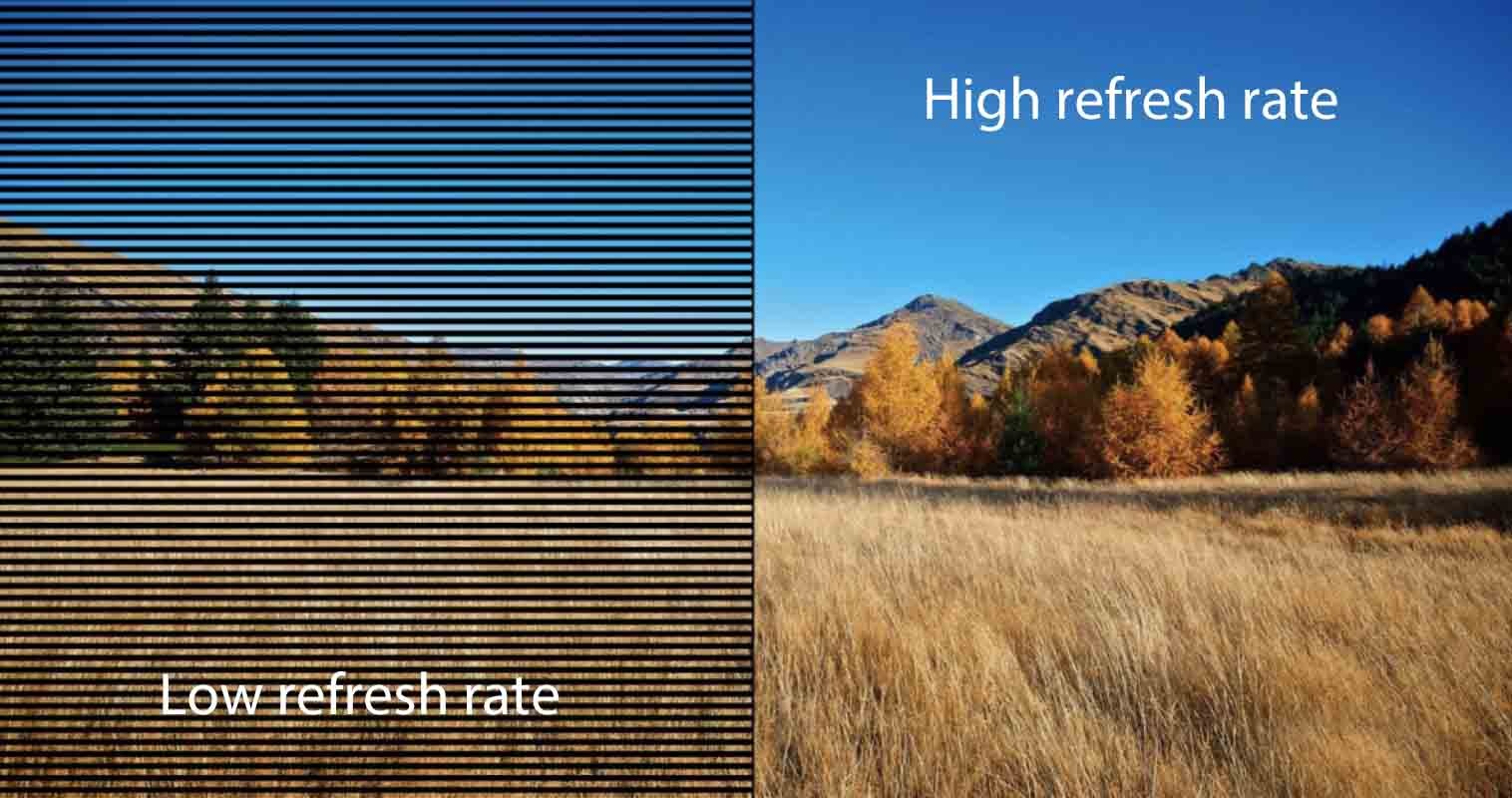
The most immediate difference between a high refresh rate screen (typically 3840Hz or higher) and a regular screen (around 1920Hz) is how they interact with cameras.
The Impact on Photography and Broadcasting
Regular LED screens often look perfect to the naked eye, but appear disastrous through a phone camera or professional broadcast lens. You may see black horizontal scan lines or a constant flickering effect. This happens because the camera’s shutter speed is faster than the screen’s refresh cycle.
King Visionled’s Solution
At King Visionled, our high-end series utilizes advanced driver ICs to achieve a 3840Hz refresh rate. This ensures:
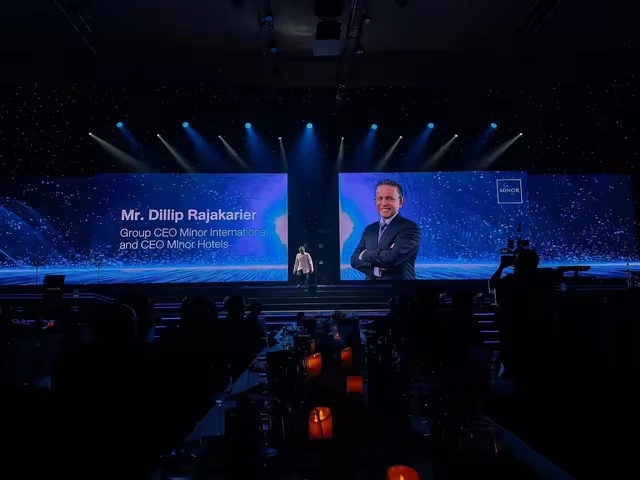
- Perfect Photography: Ideal for press conferences and live events where attendees will be taking photos.
- Broadcasting Ready: Crucial for TV studios and sports arenas where high-definition cameras are used.
- Eye Comfort: High refresh rates reduce eye strain for viewers in long-duration environments like corporate meeting rooms.
Motion Blur and Image Ghosting in Fast-Paced Content
When displaying high-speed video—such as sports, action movies, or dynamic advertisements—regular screens often struggle to keep up, leading to “ghosting” or trailing effects.
Smooth Motion for Dynamic Environments
Regular screens have a slower response to rapid pixel changes. In contrast, a high refresh rate screen provides a much smoother transition between frames. This is vital for:
- Stadium Perimeter Displays: Ensuring that fast-moving players and scrolling advertisements remain crisp.
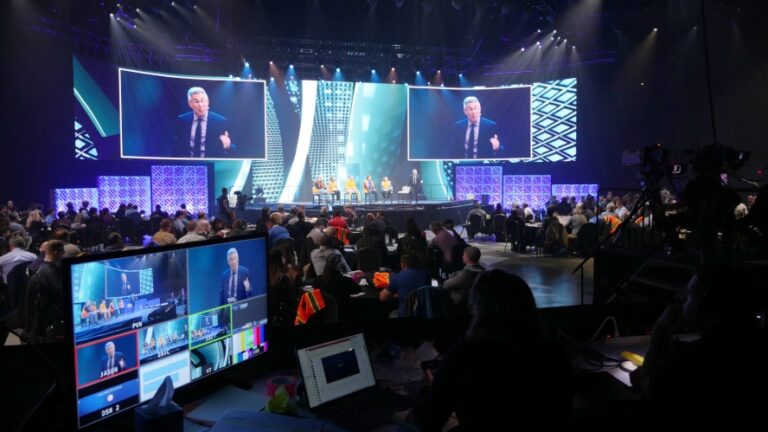
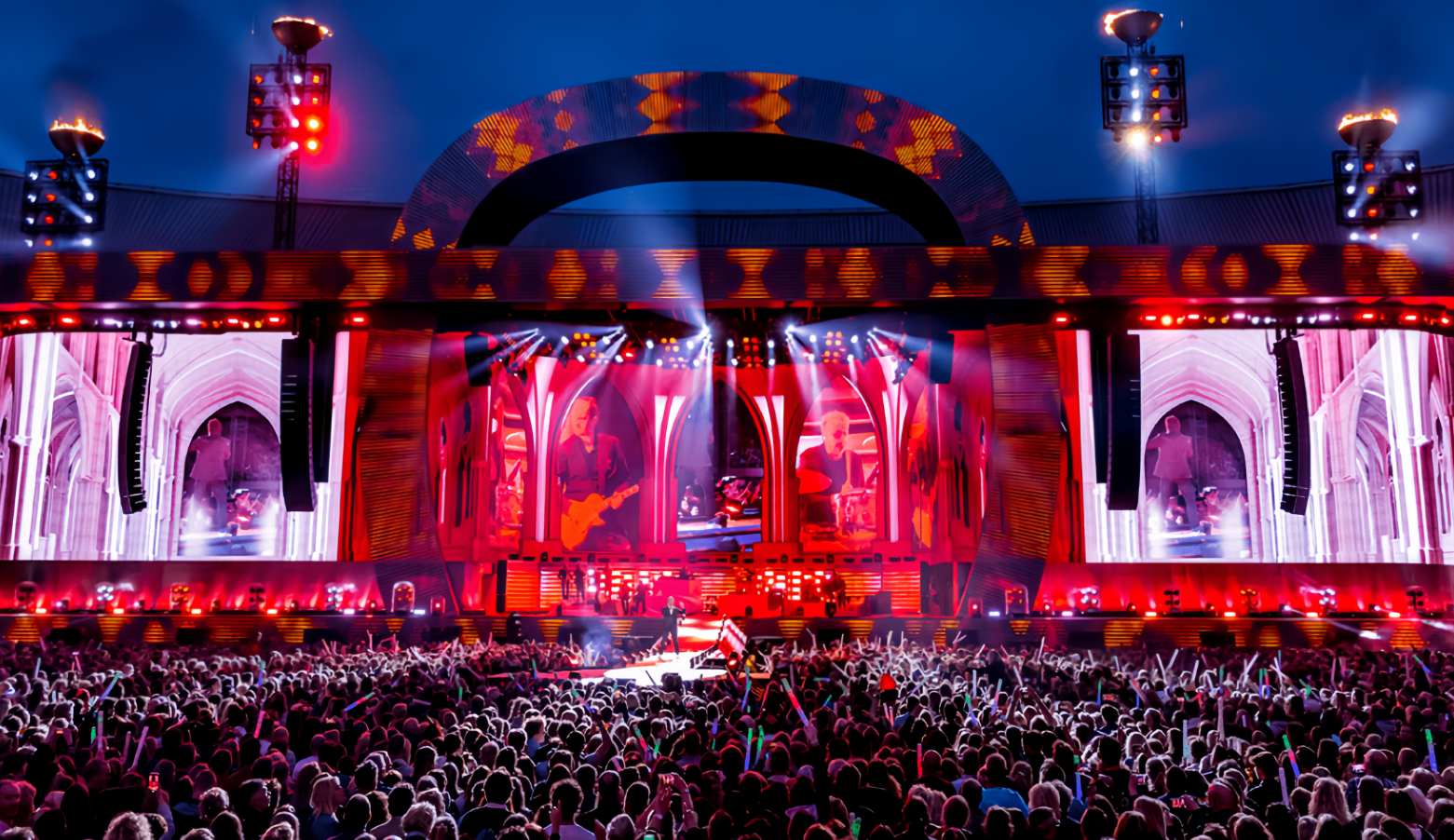
- Rental Stage Solutions: Providing seamless visuals for concerts with complex lighting and rapid video transitions.
Customized Technical Integration
We offer customized configurations for our Stage & Rental LED displays. By matching high refresh rates with superior grayscale processing (up to 16-bit), King Visionled ensures that even the darkest parts of a fast-moving video retain their detail without blurring.
Grayscale Performance Under Low Brightness
A common pain point for indoor LED displays is the loss of detail when the brightness is turned down. Regular screens often lose “gray levels,” resulting in patchy, uneven colors (the “mosaic” effect).
High Refresh Rate vs. Regular Driver Logic
High-performance screens maintain a high refresh rate even when the brightness is dimmed to 20% or 30%. This is essential for indoor applications like:
- Control Rooms & Command Centers: Where operators need clear data visualization in low-light environments.
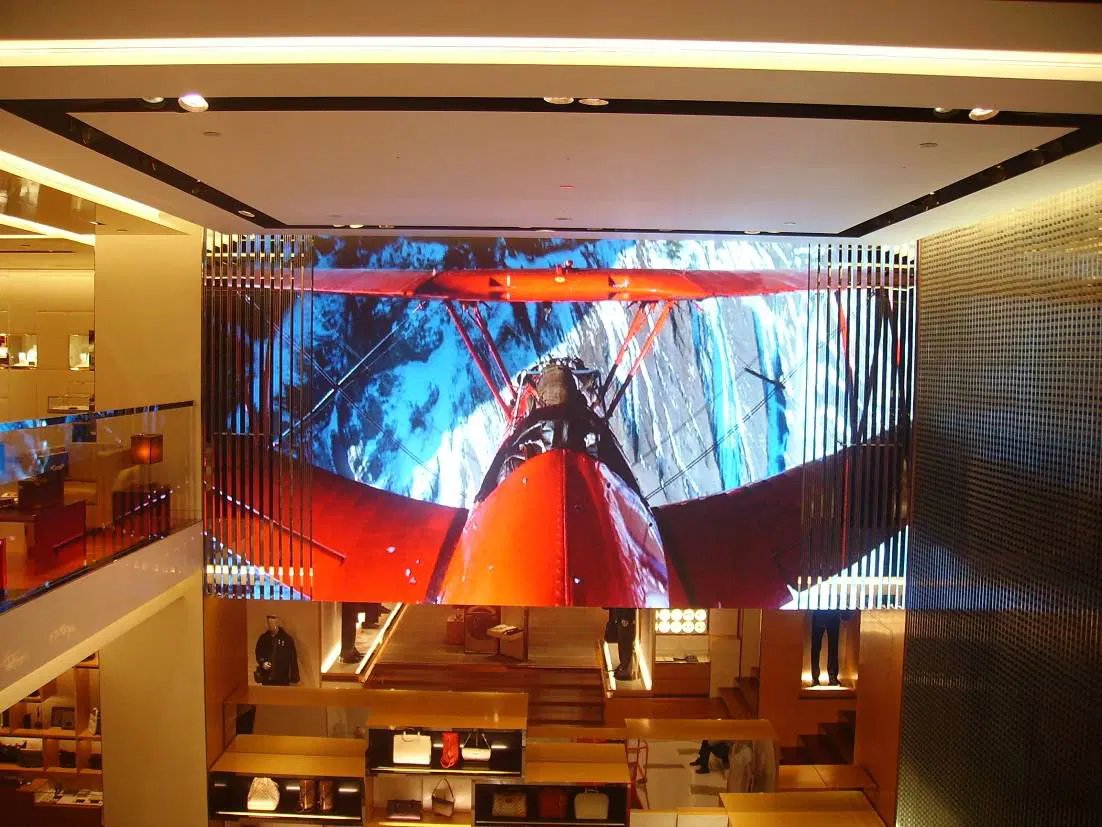
- Luxury Retail Displays: Where subtle color gradients and textures must be accurately represented.
Technical Advantage
Our UHD Small Pixel Pitch series (such as the KU and KV models) solves this by using PWM (Pulse Width Modulation) high-brush driver technology. This guarantees that your customized indoor display remains vivid and professional, regardless of the ambient lighting conditions.
Application Scenarios: Where the Difference Matters Most
Not every project requires the highest refresh rate, but for specific B2B sectors, it is a non-negotiable requirement.
Virtual Production and XR Studios
In the world of filmmaking and XR (Extended Reality), the screen serves as the background. Regular screens create “moire patterns” and sync issues. King Visionled’s KX VR LED Model is specifically engineered for these environments, offering ultra-high refresh rates and low latency to synchronize perfectly with cinematic cameras.
Commercial Advertising and DOOH
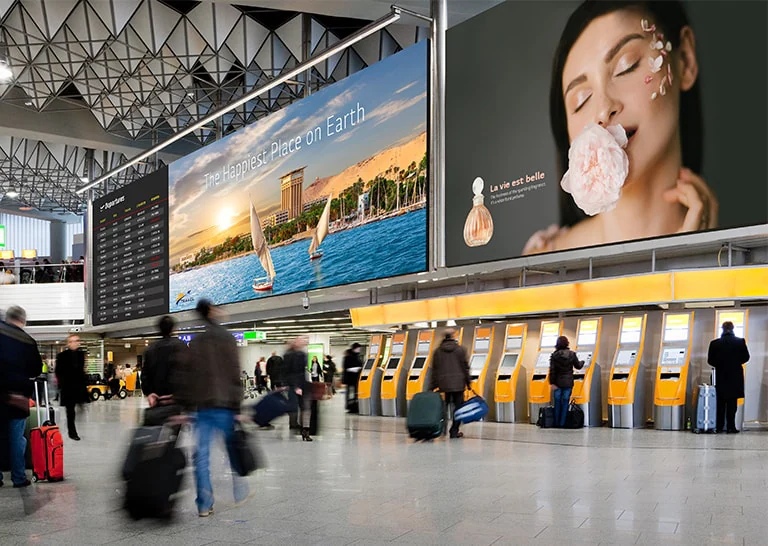
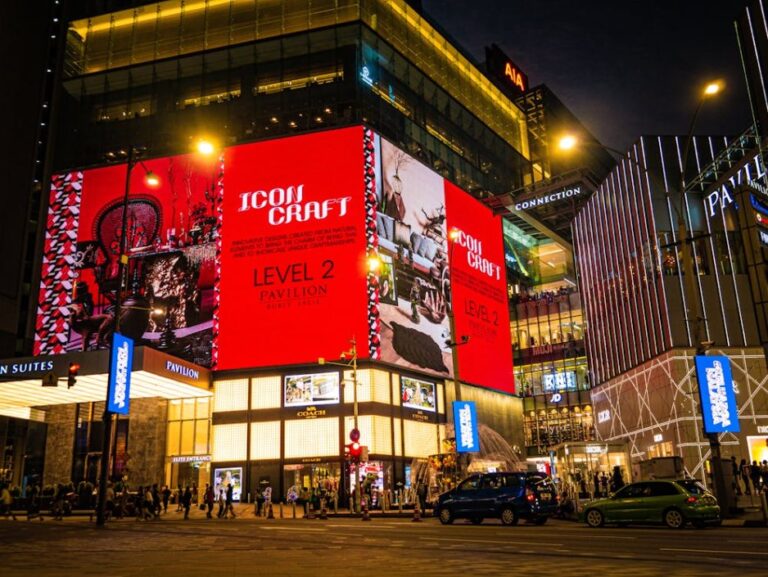
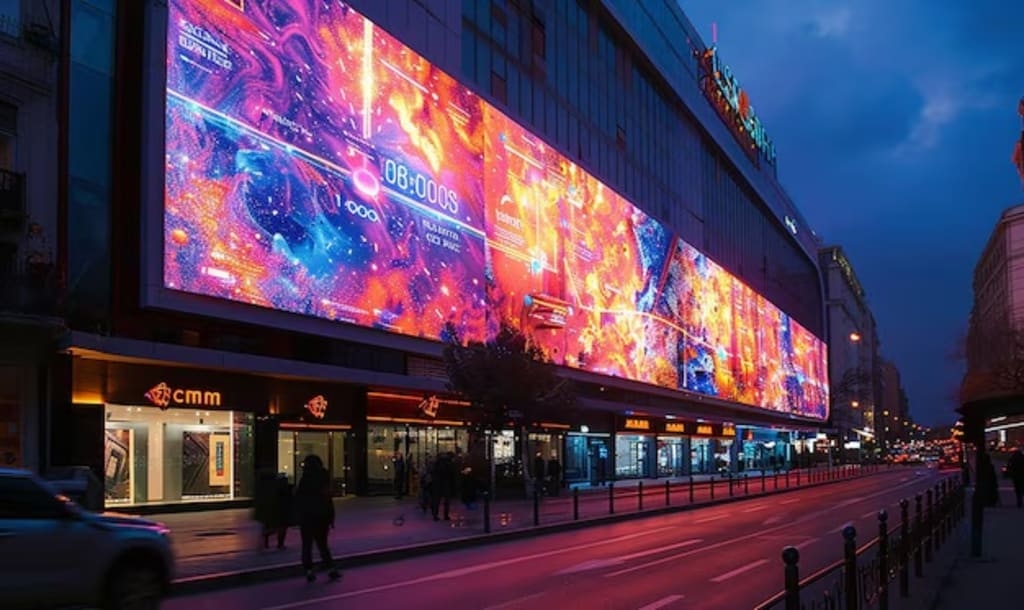
For an outdoor billboard, a regular refresh rate might suffice for the human eye. However, in high-traffic CBDs where people capture content for social media, a high refresh rate increases “shareability.” If your screen looks great in a TikTok or Instagram video, your brand gets free organic reach.
Customized Solutions for Every Project
We provide customized solutions based on your specific application:
- Smart City Terminals: Reliable, high-visibility screens for transit hubs.
- Customized Creative Displays: Including LED Cubes and Spheres that maintain high visual integrity across complex shapes.
Long-Term Value and Maintenance (ROI)
Choosing a regular screen to save on initial costs can lead to higher long-term expenses. Regular screens often use lower-quality components that are prone to higher failure rates.
Durability and Service
King Visionled emphasizes quality-first manufacturing. Our high refresh rate screens are built with:
- Gold-wire LED lamps: For better stability and color consistency.
- Efficient Heat Dissipation: Our aluminum cabinet designs reduce heat, which is the primary enemy of LED longevity.
Our Service Commitment
- 7x24H Online Support: Highly effective technical problem-solving.
- International Installation Teams: Available in over 50 countries, including the USA, France, and Dubai.
- 5-Year Warranty: Peace of mind for your investment.
Summary: Which One Should You Choose?
| Feature | Regular LED Screen | High Refresh Rate LED Screen |
| Refresh Rate | 1920Hz | 3840Hz – 7680Hz |
| Camera Appearance | Visible scan lines/flicker | Clear, stable image |
| Motion Handling | Motion blur/ghosting | Smooth, fluid motion |
| Low Brightness | Poor grayscale/detail | Rich detail and high contrast |
| Best Use Case | Basic static billboards | Studios, Events, UHD Indoor |
Transform Your Vision Into Reality
Choosing the right technology requires a partner who understands your specific needs. At King Visionled, we don’t just sell screens; we provide comprehensive visual solutions. From customized cabinet sizes to specialized technical support, we are here to ensure your project stands out.
Ready to upgrade your visual experience?
Contact King Visionled today for a professional quote within 12 hours!
- WhatsApp/Phone: +86 135 8011 5134
- Email: admin@kingvisionledscreen.com / jack@kingvisionledscreen.com
FAQ
Q: Can a high refresh rate improve the resolution of my LED screen?
A: No, refresh rate and resolution are different. Resolution depends on the pixel pitch (distance between LEDs), while refresh rate determines how many times the screen updates per second. However, a high refresh rate makes the existing resolution look much clearer during motion.
Q: Is 3840Hz the highest refresh rate available?
A: While 3840Hz is the professional standard for high-brush screens, some specialized models for virtual production can reach 7680Hz or higher. For most B2B applications, 3840Hz is the “sweet spot” for performance and cost.
Q: Does a high refresh rate consume more power?
A: Slightly, as the driver ICs are working harder. However, with King Visionled’s energy-saving module technology, we optimize the power distribution to ensure high performance doesn’t result in excessive electricity bills.