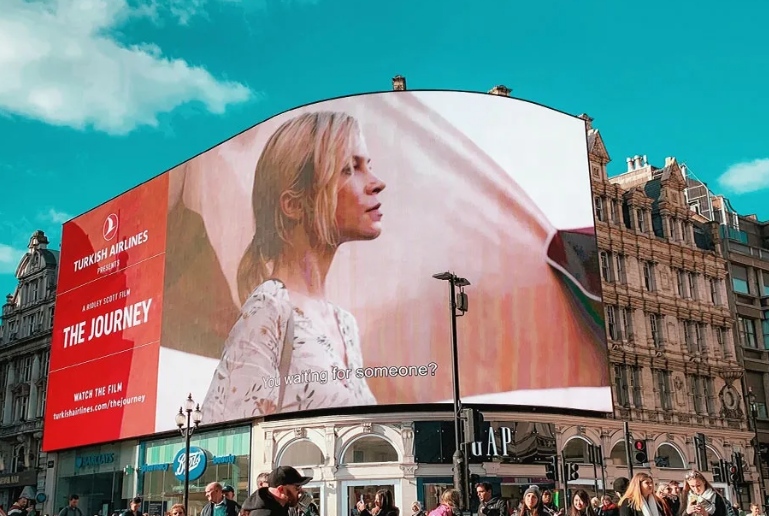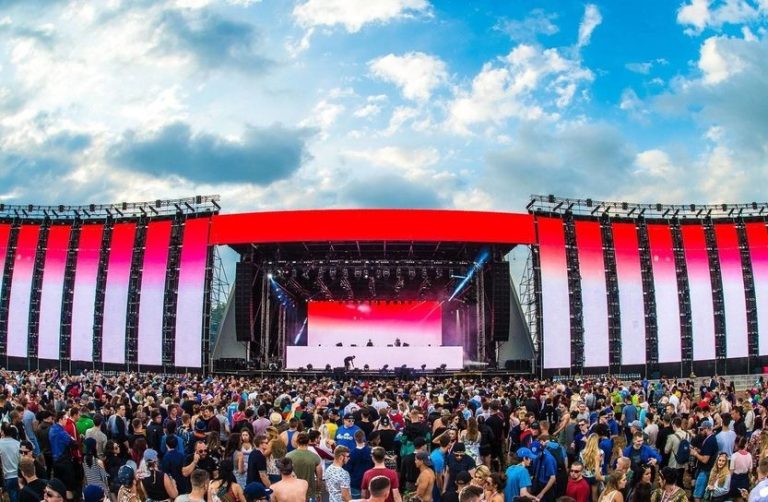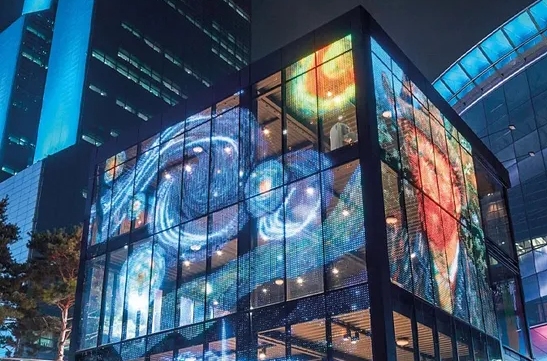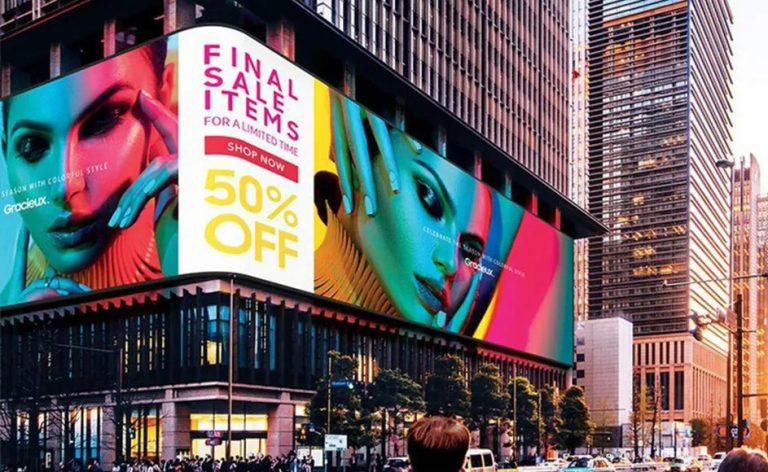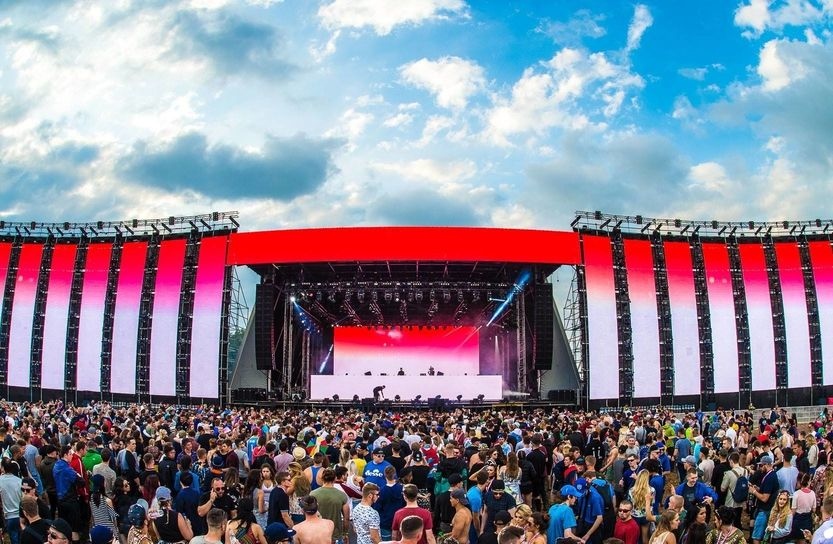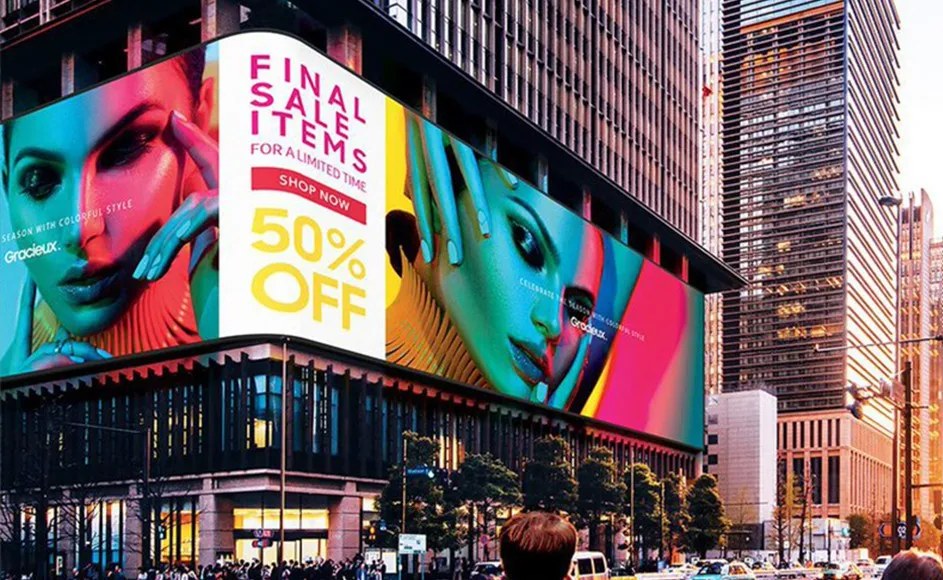
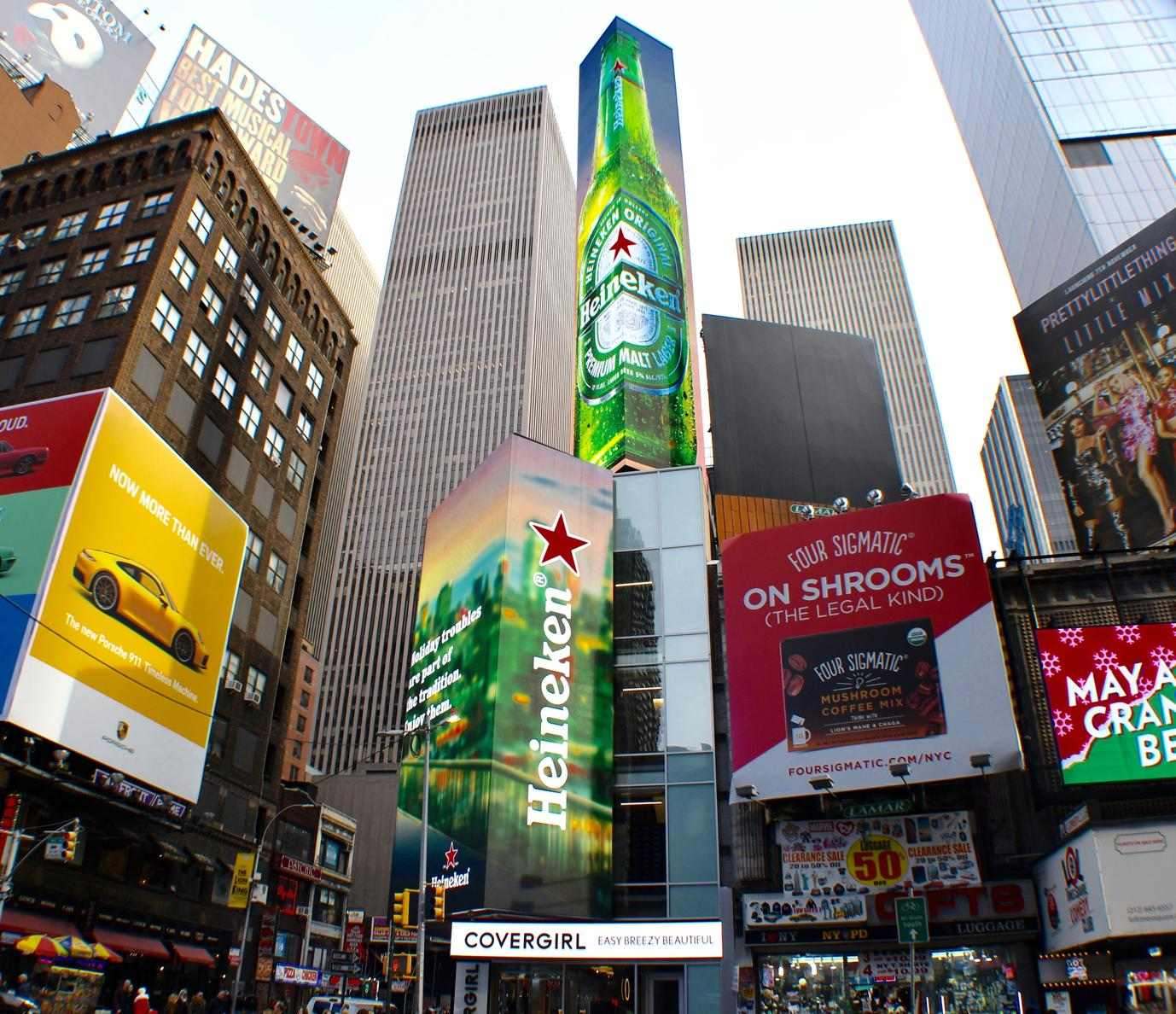
In today’s crowded outdoor advertising world, nothing matters more than being seen clearly. A good LED screen turns boring static posters into bright, moving messages that grab attention. But the real secret to making that screen look amazing comes down to one number: the pixel pitch. Picking the right one – for example, deciding whether to go with P3 or P4 outdoor panels – decides how sharp the picture looks, how far away people can still read it comfortably, and how much money you’ll spend.
This article explains the practical differences between P3 and P4 outdoor LED panels and shows you exactly what to think about when you need great visibility in tough outdoor conditions.
The Core Concept of LED Pixel Pitch
To see why P3 and P4 behave differently, you first have to understand what the “P” number actually means.
Defining Pixel Pitch: P-Rating Explained
Pixel pitch is simply the distance in millimeters from the center of one pixel to the center of the next one.
- The smaller the number after the P, the closer the pixels sit to each other.
- P3 means 3 mm between pixels; P4 means 4 mm.
- Closer pixels = more pixels in the same space = sharper picture.
Because the pixels are packed tighter, a P3 panel always gives higher resolution than a P4 panel of the same physical size. That extra sharpness shows up most when people stand fairly close to the screen.
The Critical Role of Viewing Distance
Viewing distance is the single biggest factor in choosing pitch. Get this wrong, and you either waste money on a resolution nobody can see, or you end up with a screen that looks blocky and cheap.
Practical rules that most installers follow:
- With P3, the picture starts looking perfectly smooth from about 3–4 meters (10–13 feet) away.
- With P4, you usually need 4–5 meters (13–16 feet) before individual dots disappear and the image looks clean.
That’s why you’ll often see P3 on street-level poles, shopping-mall entrances, or bus shelters where people walk right past the screen. P4 works great on taller building walls, highway gantries, or large squares where the closest viewer is already 15–20 meters away.
Comparative Analysis of P3 and P4 Outdoor LED Panels
Pixel Density and Visual Fidelity
P3 wins hands-down when you need crisp text and detailed photos or video. Think of a fashion brand showing close-ups of clothes or a car dealer running 4K commercials – the extra pixels make fabric texture and chrome reflections pop.
P4 still looks very good for normal advertising content. Logos, bold text, simple animations, and even full-motion video appear clean and bright from normal viewing distances. Most passers-by never notice the difference once they’re more than 12–15 feet away, yet the price per square meter can be 15–25 % lower than P3.
Performance Under Sunlight: Brightness and IP Ratings
Direct midday sun in summer can hit 100,000 lux. To fight that, good outdoor screens run 6000–7500 nits (sometimes even 8000–10000 nits on premium series). Both P3 and P4 panels from reputable factories reach these levels easily, so brightness itself is rarely the deciding factor.
Weather protection is non-negotiable outdoors. Almost every serious outdoor project demands at least IP65 on the front side (fully dust-tight and able to handle heavy rain from any angle). Many coastal or monsoon-area jobs now specify IP66 or even IP68 to survive salt air and driving storms.
Structural and Maintenance Considerations
Outdoor screens live outside 24/7 for years, so build quality matters. Most modern cabinets use die-cast aluminum or magnesium alloy because these materials stay straight in 50 °C heat and –30 °C winters without warping. Good designs also move heat away fast – some use big aluminum heat sinks, others add quiet fans that only spin when needed.
Service access is another real-world concern. The best cabinets let technicians open the modules from the front with a simple tool, so you don’t need to take the whole screen off the wall when one module fails. A 960 × 960 mm cabinet with front-and-rear dual service is now the industry favorite for rooftop and high-wall jobs.
Achieving Optimal Visibility Through Customized Solutions
Standard rectangles work for most jobs, but many locations demand something special. That’s where real customization pays off.
The King Visionled Approach to Customized Design
At King Visionled, we start every project by asking the right questions:
- Send us your drawings or photos of the location, exact measurements, and how you plan to mount the screen.
- Tell us the shortest distance people will stand and what kind of content you want to run.
- Our engineers then work out the most practical way to build exactly what you need – often mixing standard modules with a few specially shaped ones so there’s no wasted space and the price stays reasonable.
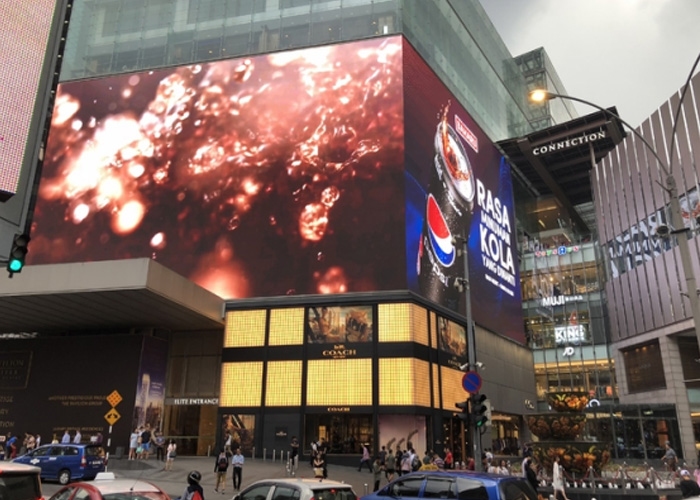
We’ve built everything from 8-meter-diameter circular screens on shopping-mall roofs to 90-degree corner wraps around building corners that create naked-eye 3D effects without glasses.
Specialized Features for Outdoor Advertising
A few features that actually make a difference in daily operation:
- Refresh rate of 3840 Hz or higher keeps footage smooth even when people film it with phone cameras at night.
- 14–16 bit grayscale gives gentle color gradients instead of ugly banding in sky or skin tones.
- Built-in light sensors that automatically dim the screen after sunset (saves power and keeps cities happy).
- Remote content switching through 4G/5G or fiber, so you never have to climb the building again.
King Visionled: Your Partner in LED Display Technology
King Visionled has been building LED screens in Shenzhen since the early days. We handle everything in-house – research, production, testing, and installation support. That means faster delivery and one phone number to call if anything ever goes wrong.
Our main product families stay the same:
- Commercial Advertising LED Display
- Customized LED Display
- Smart City Terminal LED Display
- Stage & Rental LED Display
- Transparent LED Display
- UHD Small Pixel Pitch LED Display
Comprehensive Service and Support
We don’t just ship boxes. Every order comes with free 3D renderings and CAD steelwork drawings. Our own installation teams work in more than 50 countries – the USA, France, South Korea, Indonesia, you name it. And our after-sales engineers really do answer the phone 24/7.
FAQ
Q: What is the primary difference between P3 and P4 for outdoor use?
A: P3 has lights 3 mm apart, P4 has them 4 mm apart. P3 looks sharper up close, and P4 saves money when nobody stands nearer than 12–15 feet.
Q: Do outdoor panels require special protection?
A: Yes—IP65 front is the minimum most jobs demand, IP66 if it’s on the coast or gets hammered by storms.
Q: How important is refresh rate in outdoor displays?
A: Huge. Anything above 3840 Hz keeps video buttery smooth, even when cars film it at night with their phones.
Q: Can King Visionled screens be customized in shape?
A: All day long. Cylinders, corners, spheres, 3D letters—show us the building, and we make it fit as if it grew there.