In the demanding field of premium visual displays, the choice of packaging method goes far beyond basic specs. It directly affects how long the screen lasts, how sharp and striking the picture appears, and how much value the investment returns over time. Project managers and purchasing teams who aim for top-tier results often narrow their focus to two advanced options: COB (Chip-on-Board) and GOB (Glue-on-Board).

At King Visionled, we see firsthand that every major installation brings its own set of demands. This guide breaks down the real differences between COB and GOB so you can pick the right approach for your upcoming project.
Understanding COB Packaging: The Precision of Integration
COB marks a clear step forward from older surface-mount designs. Rather than attaching separate LED packages to a board through soldering, COB bonds the bare LED chips straight onto the substrate.
The Core Structure of COB
- Direct Integration: Tiny red, green, and blue LED chips attach directly to the PCB. Electrical contacts and physical hold happen in a single bonding step.
- Holistic Encapsulation: After bonding, a smooth protective coating covers the whole module surface and creates one solid unit.
- Elimination of SMT Failures: Without individual lamp beads and reflow soldering joints, COB removes frequent trouble spots such as loose connections that cause single pixels to fail.
Theoretical Advantages for High-End Displays
- Micro-Pitch Capability: COB opens the door to extremely tight pixel spacing. Many setups now reach below 1.5 mm, and some push down to 0.5 mm for exceptional sharpness.
- Superior Thermal Management: The chips sit in full contact with the circuit board. Heat moves away quickly, which slows the brightness drop-off and stretches working life.
- Enhanced Visual Comfort: The even encapsulation spreads light smoothly across the surface. Glare drops noticeably, and the image takes on a soft, almost fabric-like quality that works well when people stand close.
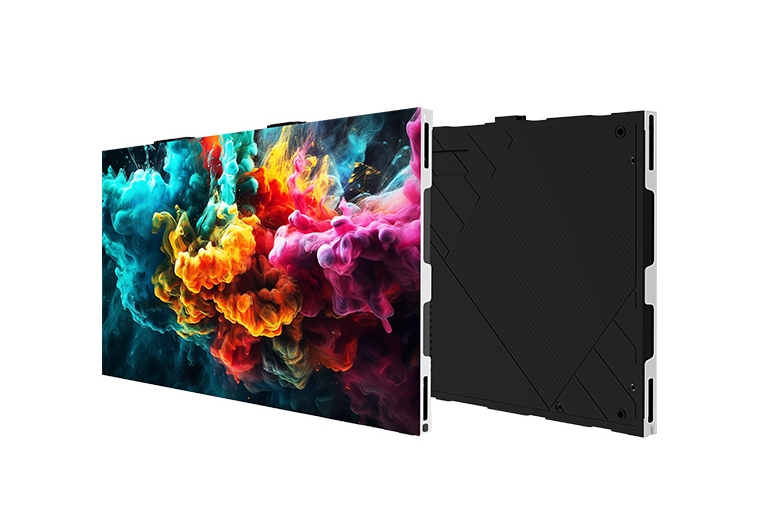
Defining GOB Packaging: The Evolution of Protection
GOB builds extra toughness onto proven SMD modules. It adds a strong transparent shield over standard high-grade LED components.
The GOB Manufacturing Process
- The “SMD+” Approach: GOB keeps the familiar SMD lamp layout but pours a high-performance clear polymer over the board using vacuum molding.
- Multi-Level Shielding: Serious GOB work demands careful material choice, exact filling, and uniform thickness to meet professional grades.
- Surface Consistency: The finished layer stays flat and free of air pockets or dips. Light travels cleanly without distortion.
Key Benefits for Challenging Environments
- Comprehensive Protection: GOB delivers strong resistance on six fronts—water, dust, knocks, humidity, static, and oxidation.
- Cost-Effective Durability: It runs on existing SMD assembly lines, so protection comes at a lower cost than the more involved COB process.
- On-Site Repairability: When a pixel issue appears, GOB screens usually allow local fixes or module swaps. COB repairs often mean sending the unit back to the factory.
COB vs. GOB: A Technical Comparison for Procurement
Serious buyers weigh these technologies against three main areas when planning a high-value display.
Display Quality and Visual Fidelity
COB holds the edge for maximum resolution. It packs pixels closer together by skipping individual bead housings, which makes it the go-to choice for 4K and 8K indoor panels.
GOB, however, lifts the side viewing performance of standard SMD screens. Wide angles around 160° become common, and colors hold true even from sharp off-center positions.
Durability and Project Environment
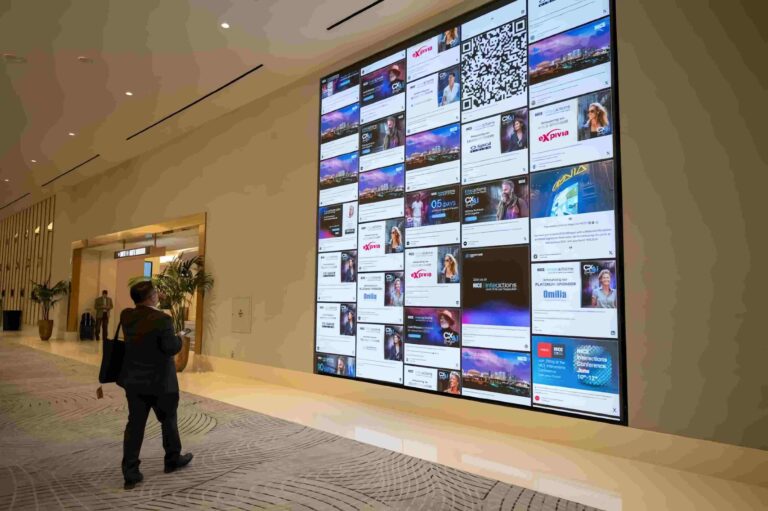
In places with heavy foot traffic—think shopping mall walkways or airport waiting areas—GOB often proves the smarter pick. It handles bumps well and resists moisture plus salt air, so it fits humid seaside locations or dusty settings.
COB shines in calm, climate-controlled spaces such as executive meeting rooms, where picture quality outweighs the need for rough handling resistance.
Maintenance and Lifecycle ROI
Long-term costs matter as much as the purchase price. GOB repairs usually run about one-third the expense of COB fixes. COB carries a higher single-repair price tag, yet its low failure rate and potential 100,000-hour lifespan cut down service visits over many years.
Elevating Your Project with King Visionled Solutions
With more than 15 years dedicated to LED displays and shipments to various countries, King Visionled delivers both COB and GOB systems tailored to real-world needs. We focus on solving specific operational headaches rather than pushing generic panels.
Our High-Resolution COB Series
Our COB 4K models target critical 24/7 environments. Direct chip attachment eliminates the grainy look that smaller pitches sometimes show on older designs.
- Target Application: Control rooms and high-end command centers.
- Problem Solved: Operators staring at data screens around the clock often feel eye strain from harsh or uneven light. Our COB panels deliver steady, flicker-free pictures that stay crisp at very fine pixel pitches.
Our Rugged GOB Series
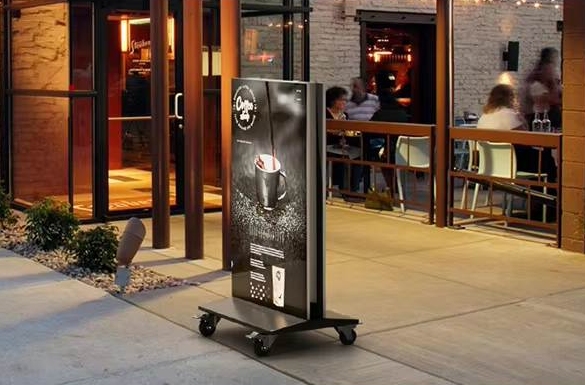
Clients who want lasting performance without losing clean looks turn to our GOB Foldable Poster and rental lines.
- Target Application: Retail entrances, metro stations, and exhibition halls.
- Problem Solved: Public-facing screens take accidental hits from passersby or get splashed during cleaning. The GOB layer keeps the display working and bright despite those daily risks.
Excellence through Customized Solutions
Standard cabinet sizes rarely match every creative vision. King Visionled provides full custom manufacturing to match exact requirements.
- Phase 1: You send drawings, preferred shapes, and precise measurements.
- Phase 2: Our engineering team reviews the plan, checks feasibility, and returns a practical solution—sometimes including new PCB molds when needed.
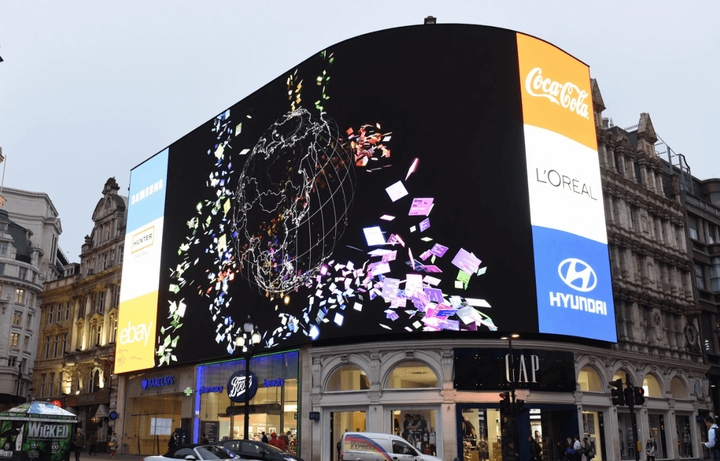
From spherical museum pieces to sweeping curved walls in flagship stores, we make sure the final display fits the space perfectly.
Proven Success: Real-World Application Cases
Installations around the world back up our approach.
- Government Excellence: A 400 sqm Mesh display for the Indonesian Ministry of Tourism boosted visitor traffic by 20% year-over-year.
- High-End Retail: P2.5 indoor custom screens turned plain mall corridors into engaging brand zones for several global chains.
- Global Events: Concert stages in Chile and stadium perimeter boards in Cote d’Ivoire have relied on our products to perform reliably under tough conditions.
Secure Your High-End Quote Today
Ready to move forward with COB or GOB for your next installation? King Visionled backs every project with a 5-year warranty, round-the-clock technical help, and on-site support teams in more than 50 countries.
Reach out today for expert advice and a clear wholesale price quote.
- Email: admin@kingvisionledscreen.com / jack@kingvisionledscreen.com
- WhatsApp/Phone: +86 135 8011 5134
FAQ
Q: Is COB or GOB better for outdoor billboards?
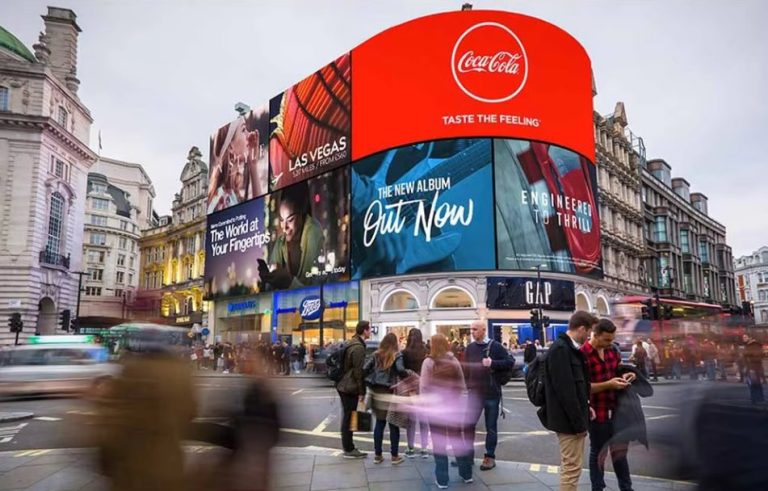
A: Generally, high-brightness outdoor boards viewed from far away still rely on traditional DIP or premium SMD packages. For close-up high-definition needs—such as bus-stop digital signs—GOB stands out thanks to its strong waterproofing and impact resistance.
Q: Can I get a customized shape using COB technology?
A: Yes, though the process takes extra care. COB works very well for fine-pitch custom designs. For unusual forms like waves or full cylinders, flexible modules with added protective layers often give the best balance.
Q: What is the typical lead time for a customized COB inquiry?
A: Project size affects timing, but King Visionled keeps production efficient. Our typical delivery falls well below the industry’s common 15-day benchmark.
Q: Does the protective glue in GOB affect the screen’s brightness?
A: Quality GOB uses a clear optical-grade adhesive that keeps light loss very small. In many setups, the coating actually improves the experience by diffusing light softly and extending the usable viewing angle.