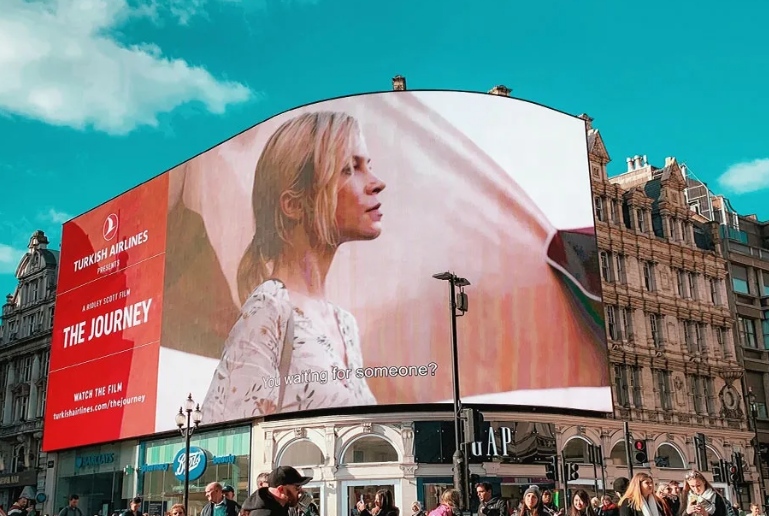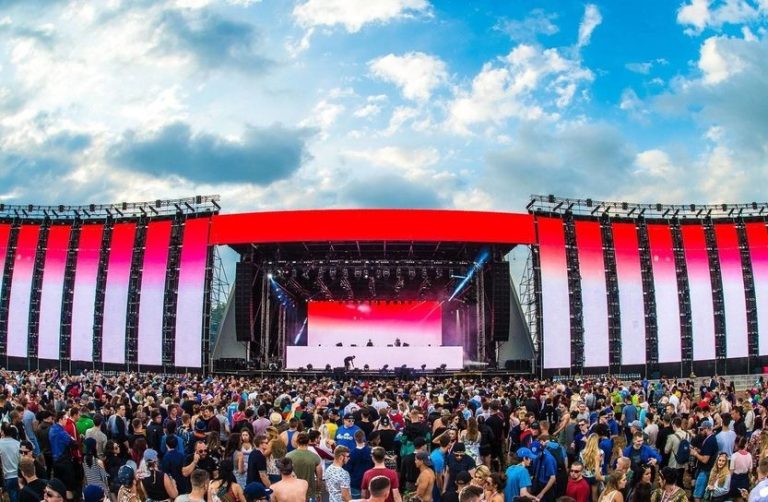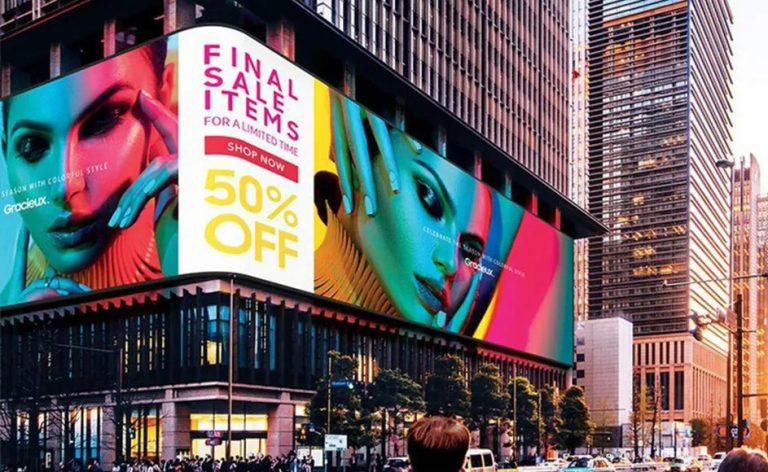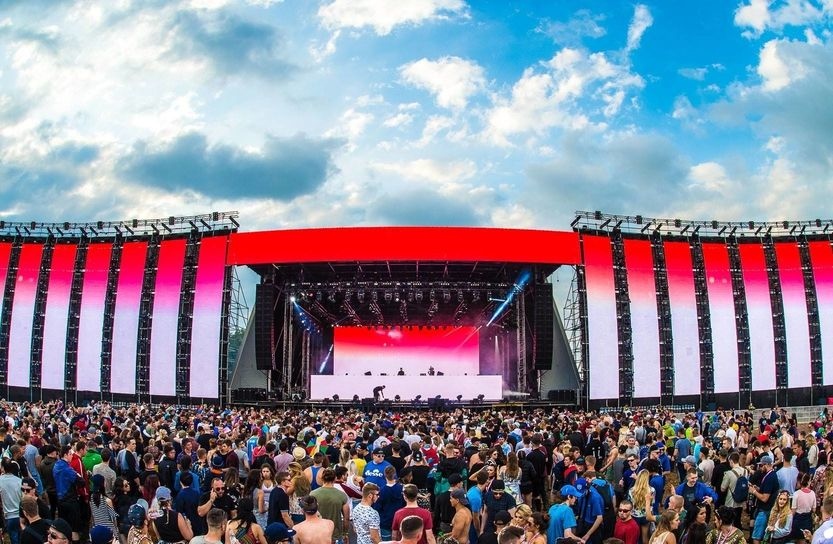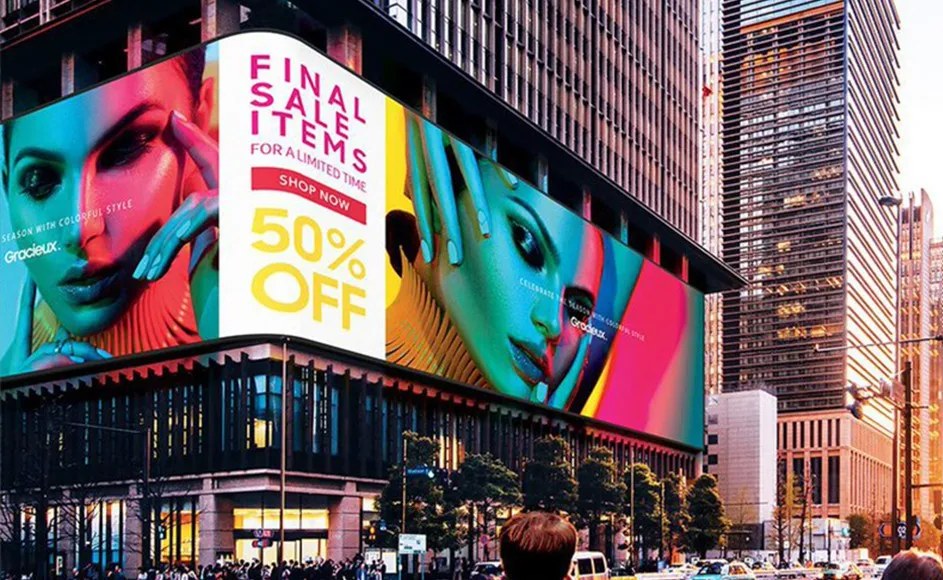
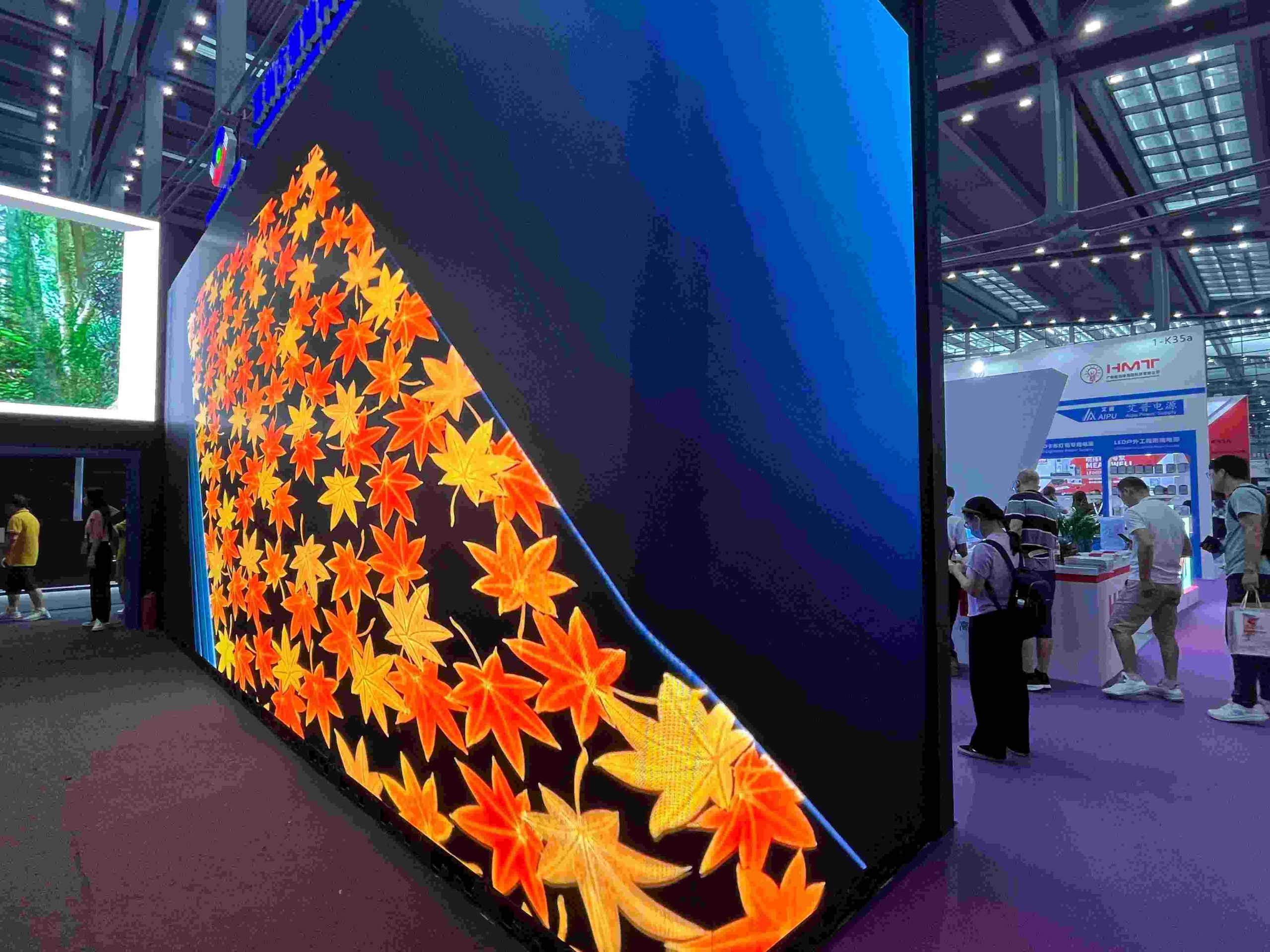
Buildings used to be quiet. You walked past brick, glass, or concrete, and that was it—they just sat there. Today, something wild is happening. Walls breathe color. Columns dance with video. Entire facades light up for a concert one night and show the morning news the next. None of this would work without flexible LED screens, the ones that bend, curve, and hug shapes no regular screen could ever touch.
The Paradigm Shift: Redefining Architectural Surfaces
Old-school architecture loved straight lines and heavy stone. If you wanted to add a screen, you basically bolted a big black rectangle to the wall and hoped it didn’t look too clunky. Most of the time, it did. Flexible LEDs blew that rule book out the window.
Overcoming the Limitation of Static Form
Try sticking a normal, rigid LED cabinet on a round column or a wavy hotel lobby wall. You either end up with ugly gaps, expensive custom steelwork, or you give up and settle for a flat panel that screams “tacked-on TV.” I’ve seen projects where the architect spent weeks redesigning an entrance just to find a flat spot for the screen. Total headache.
With flexible modules, the surface itself becomes the screen. No gaps, no extra bracing, no compromise. One famous example is the lobby of a casino in Macau—every pillar is wrapped in moving artwork. From ten feet away, you’d swear the building grew that way.
Rigid screens often create real-world problems because they fight the building’s design instead of flowing with it, and when applied to curved or complex surfaces, they require heavy, costly support frames. As a result, the final appearance ends up looking like every other building with a box stuck on the front.
The Impact of Form and Fluidity in Architectural Design
People don’t just look at buildings anymore—they feel them. A smooth, glowing curve pulls you in. A sharp corner lit up with motion makes you stop and stare. That emotional punch only happens when the screen disappears into the architecture.
What actually makes the magic work is ensuring the screen matches the building’s style rather than fighting it, while also allowing it to wrap, fold, or twist into whatever shape the designer envisions. When these elements come together, the entire structure feels alive instead of appearing like just another billboard.
Engineering Creativity: How Flexible LED Technology Works
Take a regular LED panel and try to bend it—you’ll hear a crack and watch a few thousand dollars die. Flexible screens are built completely differently from the ground up.
The Structure of Adaptability
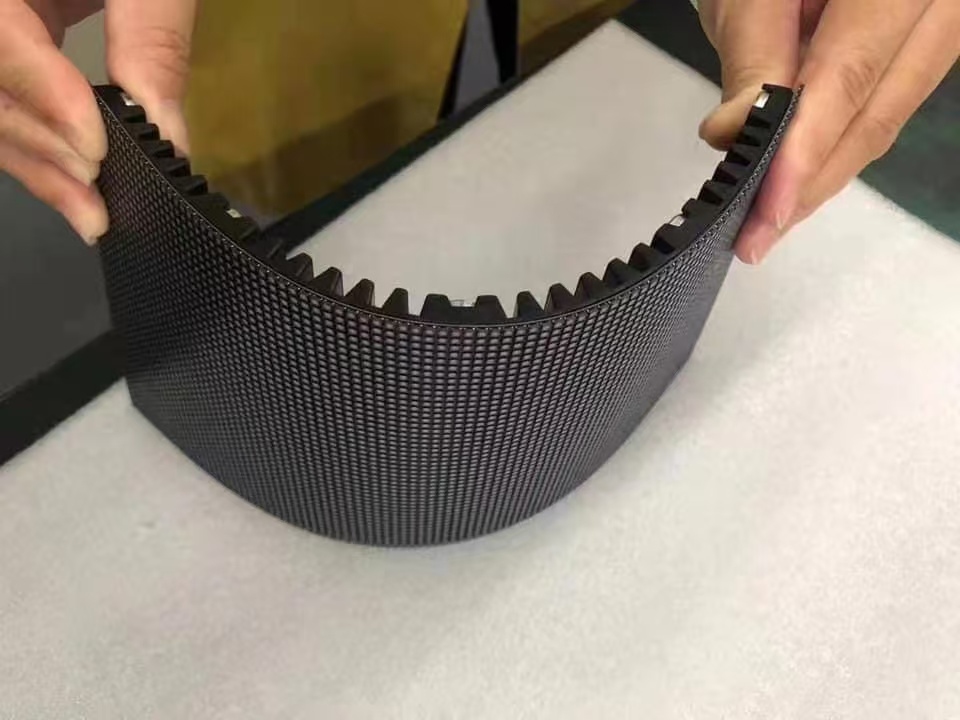
Instead of a stiff aluminum box, these modules start life on a soft, rubber-like backing. The LEDs themselves sit on a thin circuit that can flex hundreds of times without breaking. The whole thing weighs about half what a normal panel does.
On a job site, this translates to less weight hanging off the building, which brings significant savings on steel and engineering. Additionally, the modules can be rolled up like a carpet for easy shipping and then unrolled and installed on site, while their bend radius of just a few inches allows them to wrap tightly around a skinny lobby column without leaving a single dark line.
Technical Advantages for Architectural Integration
These screens still have to look amazing. Most run pixel pitches from P2.5 to P4—tight enough that you can stand right next to a ten-story curve and still see smooth video. Colors stay accurate even in direct sun, and the good ones are fully sealed against rain and dust.
Real jobs typically demand bright, sharp images on giant curved walls, the flexibility to display anything from live camera feeds and animated graphics to sponsor logos, and the durability to withstand outdoor conditions for ten years without fading.
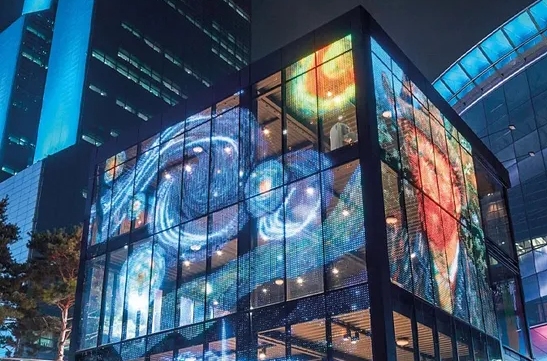
A museum in Seoul cover a double-curved roof with flexible panels. At night, the whole building turns into a slow-moving galaxy. During the day, it just looks like matte black glass—until the show starts.
King Visionled’s Customized Excellence: The KQ Soft LED Model
King Visionled builds these bendy screens, handling everything from a quick sketch to final install anywhere on the planet. They live for the weird shapes nobody else wants to touch.
Introducing the Specialized Flexible Solution
The star of the lineup is the KQ Soft LED Model. It’s made to hug curves, columns, domes—whatever the architect throws at it. Soft modules lock together with hidden magnets, so the surface stays smooth no matter how tight the bend.
Customized Shapes for Limitless Design
This is where King Visionled gets to show off:
- Spherical: The KY Ball 360°Model hangs in shopping-mall atriums or museum entrances—full 360-degree video with zero dead spots.
- Cylindrical: KZ Outdoor Cylinder Model wraps skyscraper pillars or stadium supports; I’ve seen one on a 40-story tower in Shanghai that runs stock-ticker graphics all day.
- Magic Cube: Floating cubes that spin slowly while each face tells a different story.
- Ring Shape: Giant glowing halos in airport ceilings or hotel lobbies.
- Special Shape: If you can draw it, they’ll build it—one job turned an entire wave-shaped facade into a moving ocean scene.
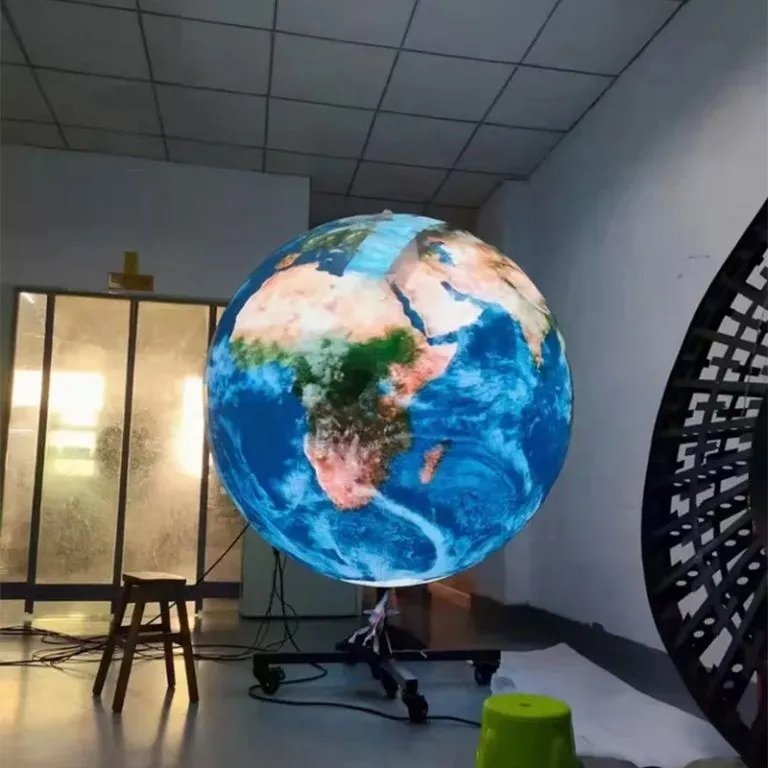
The Commitment to Customized Partnership
Great hardware is useless if the install goes sideways. King Visionled treats every job like its own building.
Precision Engineering and Visualization
They don’t just quote you a price and ship boxes. Every project starts with free design help:
- 2D CAD DESIGN: Full wiring diagrams, mounting details, load calculations—everything the structural engineer needs.
- 3D SIMULATION: Fly-through videos so the client can walk the space before a single panel leaves the factory.
- Frame Structure Support: Custom backbone built, test-fitted, then broken down for shipping.
- Visualization Services: Photoshop renders, Premiere fly-throughs, even C4D animations if you’re pitching a city council.
Global Installation and Support Infrastructure
Things break at 2 a.m. somewhere, but King Visionled’s support never sleeps, with teams on the ground in over 50 countries—including the USA, South Korea, France, Dubai, Indonesia, and many more—while factory engineers hop on planes for tricky installations, and a 7X24H online after-service team handles software glitches or guides local technicians through a hot-swap before breakfast.
FAQ
Q: What makes the King Visionled KQ Soft LED Model suitable for architecture?
A: The KQ Soft LED Model is built from bendable modules that follow curves, columns, or any wild shape without gaps or dark lines—perfect when the building itself is the canvas.
Q: Does King Visionled offer design support for highly customized shapes?
A: Absolutely. From Magic Cube stacks to full KY Ball 360°Model spheres, KZ Outdoor Cylinder Model wraps, ring shapes, or completely one-off designs—they give you free 2D CAD design and 3D simulation until it looks exactly right.
Q: Where is King Visionled located and what is your focus?
A: Headquarters and factory are in Shenzhen, China. They handle OEM and ODM, focusing on rock-solid quality and turning crazy architectural drawings into screens that actually work.
Q: What kind of support is available for international installation?
A: Full package—7X24H online after-service team plus boots-on-the-ground crews in more than 50 countries (USA, France, Indonesia, and everywhere in between) who show up and get it done right.