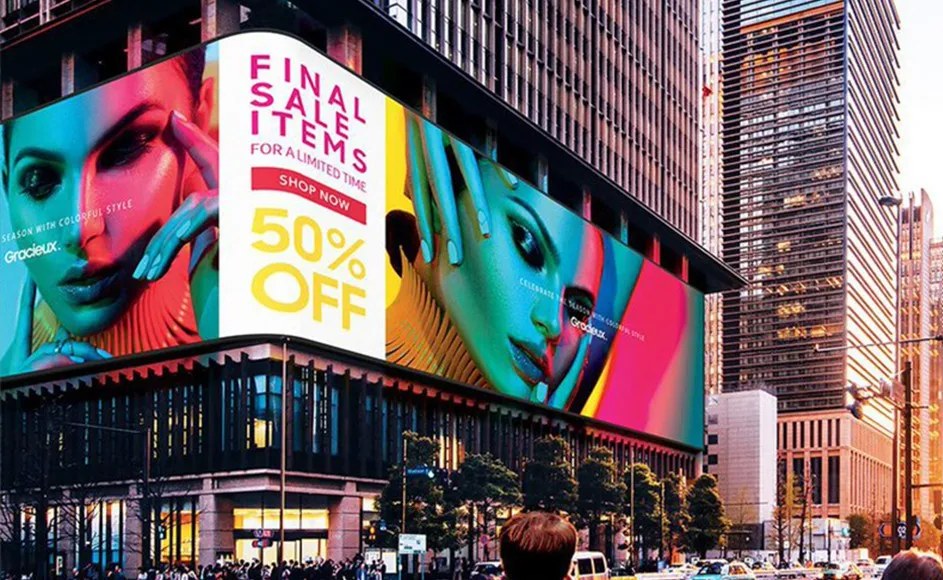
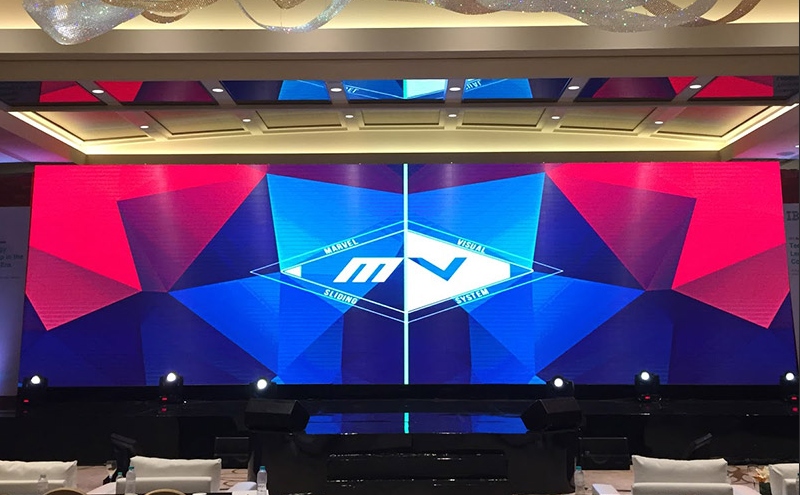
The field of display technology keeps moving forward at a steady pace. As picture quality standards rise higher each year, one important development stands out: Chip-on-Board, or COB, technology. This approach marks a clear departure from the older surface-mount device (SMD) method and brings noticeably better image depth along with greater dependability. At King Visionled, we see COB as the direction forward for indoor screens and professional-grade displays. It sets new standards for how accurately colors appear and how brightly the picture shines.
The Science Behind Chip-on-Board (COB) Technology
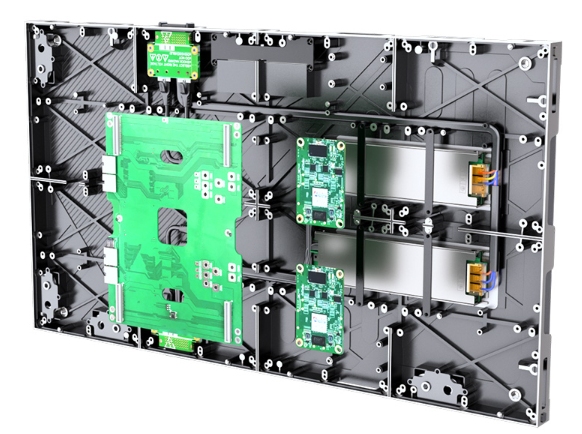
To grasp what makes COB LED technology different, start with its basic construction. Traditional designs package each LED chip separately before mounting it. COB takes a different route by attaching several LED chips straight onto one board and then covering them together.
Architectural Differences from Traditional SMD
Standard SMD screens use individual packages for every pixel. Those packages leave small gaps between lights and limit how tightly pixels can sit next to one another. COB removes the separate packaging entirely through several key changes.
- Direct Chip Bonding: The LED chips attach right to the circuit board. This step allows much finer pixel spacing and packs far more pixels into the same area.
- Surface Light Source: A single phosphor layer covers the group of chips. The whole display then behaves like one even light panel instead of many separate points of light. The result is a cleaner, more fluid picture.
- Enhanced Heat Dissipation: Heat flows away from the chips more quickly because they sit directly against the board. Keeping temperatures lower helps brightness and color stay steady over long periods.
The Impact on Light Uniformity and Brightness
COB delivers steady brightness from one edge of the screen to the other. That consistency forms one of its strongest points.
- Reduced Light Loss: Without the usual brackets and bonding wires found in SMD, less light gets scattered or blocked inside. More of it reaches the viewer.
- Uniform Luminance: The single encapsulation process makes every pixel give off the same amount of light. You avoid the grid-like “screen door” look that shows up on lower-grade panels.
- Superior Viewing Angles: Most COB screens maintain clear pictures up to 160 degrees off-center. Color stays true, and brightness holds up well, even from the side.
Achieving True-to-Life Color Accuracy
In places like television studios, control rooms, and upscale stores, correct color reproduction is not optional. It forms a basic requirement. COB handles this demand particularly well because it creates a more stable setting for showing colors.
High Grayscale and Advanced Color Processing
How smoothly a display shifts from one shade to another decides much of its visual quality.
- 16-bit Grayscale: Many COB systems work with 16-bit gray processing. That level supports billions of possible shades and produces gentle gradients, even in very dark parts of the image.
- Wide Color Gamut: Certain COB panels reach up to 110% NTSC coverage. Colors look rich and close to real life.
- High Contrast Ratios: Ratios as high as 8000:1 appear in these displays. Deep black areas contrast sharply with bright whites, giving pictures added depth and dimension.
Stability Through Environmental Protection
Colors sometimes drift over the years because of dust, dampness, or oxidation. COB cuts down on those problems with its complete protective design.
- Physical Shielding: A layer of resin covers the LED chips completely. It blocks out dust, moisture, and minor knocks, so the original color balance holds through the life of the screen.
- Anti-Glare Properties: Special surface coatings cut down reflections. High brightness and accurate colors make it easy to see, even when the room lights are bright.

Precision Through Customized Engineering
Every installation has its own demands. COB technology offers enough flexibility to meet those specific needs.
Small pixel pitches—often under 1.0 mm—call for careful planning. Cabinets and mounting frames must fit perfectly to create seamless joins between panels. Some projects need a particular aspect ratio for a boardroom display. Others require curved shapes for exhibition spaces. In both cases, tailored designs make the hardware match the surroundings exactly. Separate control setups also let users adjust brightness and color settings to suit the lighting in the room.
About King Visionled
King Visionled began operations in 2012. The company concentrates on developing and building advanced LED products. Our main facility sits in Shenzhen, China, and covers 5,000 square meters. It houses modern production lines and thorough testing equipment. We follow a straightforward “customer first” approach and supply customized OEM and ODM services to clients in more than 100 countries.
King Visionled’s COB LED Display Series
King Visionled draws on more than 15 years of practical experience to deliver COB solutions built for the ultra-high-definition market.
Ultra-HD Small Pixel Pitch COB Models
Our COB 4K LED models suit locations where sharp, detailed visuals matter most.
- Ultra-Small Pixel Pitches: Available pitches include P0.93, P1.25, and P1.56. These figures produce pixel densities reaching up to 1.6 million pixels per square meter.
- Superior Visuals: The screens run at a 3840Hz refresh rate with 16-bit grayscale. Moving images look smooth, and still pictures show fine detail.
- Optimized Brightness: Brightness falls between 500 and 800 CD/㎡. That range works well indoors, delivering clear pictures without causing discomfort.
- Flip-chip COB Technology: Newer models use flip-chip construction. It improves heat flow away from the chips and adds to overall reliability.
Key Performance Advantages
Several features set our products apart.
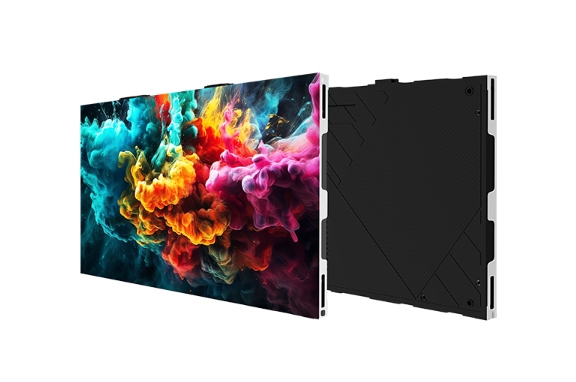
- Seamless Integration: Cabinets join at perfect 90-degree angles without visible gaps. Large, continuous surfaces become possible.
- Slim Design: Certain models measure only 31 mm deep. The thin profile suits tight wall spaces.
- Low Power Consumption: Efficient drive circuits keep energy use down while brightness remains strong.
- Full Front Maintenance: Technicians reach every module from the front. Repairs take less time and cause minimal disruption.
Commitment to Global Quality and Service
A strict quality process backs every King Visionled display. We run long aging tests, check brightness uniformity across panels, and test under different temperature and humidity levels. These steps confirm reliable performance in varied conditions.
Our international support includes:
- 5-Year Warranty: Major parts such as LED lamps and power supplies carry a full three-year coverage.
- Professional Engineering Support: Our specialists guide installation and offer remote troubleshooting when needed.
- Certified Excellence: Products meet CE, RoHS, FCC, and ISO9001 requirements, satisfying safety and quality rules in key markets worldwide.
FAQ
Q: What makes COB technology better for color accuracy than SMD?
A: COB creates a smooth resin-covered surface that spreads light evenly and raises contrast levels. The full encapsulation also shields the chips from dust and moisture that often cause color changes over time.
Q: Can King Visionled provide customized COB screen sizes?
A: Yes. We focus on custom work and adjust cabinet dimensions, pixel pitch, and mounting methods to match project needs exactly.
Q: Is it easy to maintain a COB LED display?
A: Yes. Our COB models allow complete front access to modules. Maintenance stays simple and does not require taking the whole screen apart.
Q: What is the expected lifespan of a King Visionled COB display?
A: These displays are rated for at least 100,000 hours of operation. High-grade components and effective heat management support a long service life.