Think about spending a lot on a bright, sharp LED display and then spotting, just one year on, that the colors have grown flat and the fresh look has vanished. This does not stem from mere chance. It usually traces back to a hidden trouble in the trade: weak heat removal. At King Visionled, we focus on building top-quality LED goods, from UHD small pixel pitch screens to tailor-made answers, and we have watched close up how heat handling decides the lasting worth of a setup.
The Scientific Link Between Temperature and Light
To figure out why heat cuts brightness, you first need to know the basic workings of an LED. LEDs stand apart from old bulbs as semiconductors. They change power into light, yet the step falls short of perfect. A good deal of that energy turns to heat right at the “junction”—the core area of the LED chip.
The Impact of Junction Temperature
The junction temperature means the heat at the precise semiconductor spot that makes light. When workers fail to shift this heat away fast, problems start.
- Lower Light Making: As junction heat goes up, more energy is wasted as heat rather than light.
- Short-Term Fade: You could see a quick drop in glow while the screen warms. Yet the true threat comes from lasting harm after long stretches of high heat.
- Minimal Fade Needs: Strong chips, like the ones in our KR Outdoor Fixed series, get made for little fade to hold steady work even in rough weather.
Thermal Resistance and Heat Flux
Heat needs to move from the chip through the solder, next to the PCB, and then to the cabinet and open air. Any tight spot in this heat route leads to a pile-up.
- Bad cabinets behave like thick covers, keeping heat trapped.
- In tailor-made work where screens squeeze into narrow building areas, missing free air flow can hasten the brightness loss.
How Poor Dissipation Erodes Screen Performance
Brightness loss does not hit suddenly. It creeps in bit by bit over time. When an LED screen finds it hard to release heat, a few hardware changes happen inside.
Phosphor Degradation and Color Shifting
White light in most LEDs starts with a blue chip under a yellow phosphor cover. High heat wears this phosphor down.
- Yellow Covers: The epoxy or silicone that guards the chip may yellow or turn brittle from ongoing heat pressure. This blocks light and shifts color warmth.
- Uneven Light: Red, green, and blue parts handle heat differently, so a screen with poor release soon shows patchy color spots.
- Fix Issues: Once phosphor wear sets in, reversal proves impossible, and it frequently calls for pricey part changes.
Semiconductor Crystal Damage
Long periods of high heat spark small flaws in the semiconductor crystal build. These flaws spread slowly. They form dark areas on the tiniest scale and cut the chip’s light-making power for good.
- Shorter Run Time: Screens with solid cooling can go beyond 100,000 hours. Ones with weak cooling may fall to half brightness in under three years.
- Voltage Pressure: Hotter settings often push up the needed forward voltage. This adds load to the power unit and builds yet more heat in a bad loop.
Engineering Solutions for Superior Heat Management
At King Visionled, we face these heat troubles with better materials and clever building methods. We supply many standard and tailor-made answers built for hot places.
The Aluminum Advantage in Module Design
A big change we make lies in the aluminum parts. Take our KZ Outdoor Advertising Led Screen, which uses a die-casting aluminum frame.

- Quick Heat Move: Aluminum shifts heat away far faster than usual plastics.
- Tough Make: The aluminum module withstands high heat and lets it out quickly.
- Weather Shield: Our aluminum frame takes a full-sealed setup (IP65) to guard inner parts yet keep strong cooling.
Active Cooling Systems
Bright outdoor screens under straight sunlight need more than simple passive ways. Our KR A model brings:
- Built-in Fans: The back cover carries 4 wing fans set there for rapid heat release.
- Small Layout: Even with active pieces, the build keeps tight and allows the back cover to open for speedy repairs.
- Strong Brightness Hold: By keeping inner heat down, these screens hold 6000 CD/㎡ brightness much longer.
Innovative Ventilation for Transparent Screens
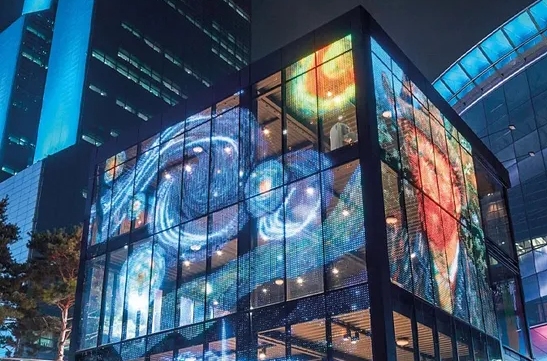
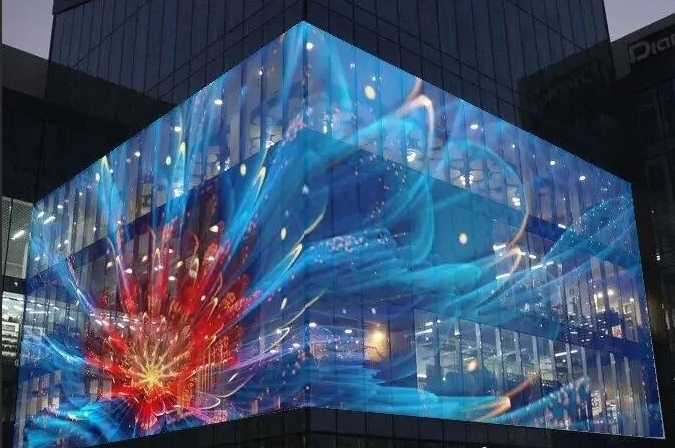
Transparent LED work poses its own puzzle: how to cool a screen that is mainly open. Our KT Transparent LED Curtain Screen fixes this by:
- Open Style: The strip shape and hollow layout let natural light pass and keep steady air movement.
- Split Power: We place the power supply apart from light bars so electronic heat stays away from LEDs.
- Material Pick: Aluminum lowers total weight and works as a big heat catcher.
The Importance of Customized Thermal Solutions
Each setup site varies. A screen in a cool airport demands different care from one on a billboard in a hot desert. This explains why tailor-made answers matter so much.
Engineering for Unique Environments
We give tailor-made fixes for all sorts of hard spots:
- Narrow Rooms: For UHD small pixel pitch screens in meeting areas, we make super-thin (31mm) cabinets with “hard connection” styles to cut wire tangle that could stop air.
- Unusual Forms: Be it a Magic Cube, Spherical, or Cylindrical display, our team makes a tailor-made inner frame that allows good air paths.
- Low-Heat Parts: Our 3D DOOH billboards use energy-saving modules that generate less heat from the beginning, cutting the cooling load a lot.
Quality Assurance and Support
To help you buy last, King Visionled runs a firm quality watch system. We bring:
- 3D Views: Free 3D project pictures to see the heat and build needs ahead of starting work.
- After-Sale Help: A 7x24H online team on hand to fix performance problems.
- Worldwide Setup: Skilled groups in over 50 countries to place your screen with proper room for air.
About King Visionled
King Visionled is a modern high-tech enterprise specializing in the R&D, production, and sale of LED products. Located in Nanshan District, Shenzhen, our 5,000 square meter facility is equipped with world-class testing and production equipment. We are a legitimate manufacturer committed to providing customized OEM and ODM services to meet the specific needs of our global clients. With a core value of “integrity and innovation,” we strive to deliver high-quality products that stand the test of time.
FAQ
Q: How can I tell if my LED screen is suffering from poor heat dissipation?
A: Common signs include noticeable color shifting, “blotchy” brightness across different modules, and a significant drop in overall luminescence within the first two years of use.
Q: Does high brightness always mean more heat?
A: Generally, yes. However, using energy-saving modules and high-efficiency chips, like those in King Visionled products, can deliver high brightness while generating less heat than lower-quality alternatives.
Q: Can I get a customized cooling system for my project?
A: Absolutely. King Visionled specializes in customized solutions. We can design specific frame structures and cabinet ventilations tailored to your project’s unique environmental conditions.
Q: Is aluminum really better than steel or plastic for cabinets?
A: Yes, aluminum is significantly more effective at conducting and dissipating heat. It also allows for lighter designs and higher recycling rates.