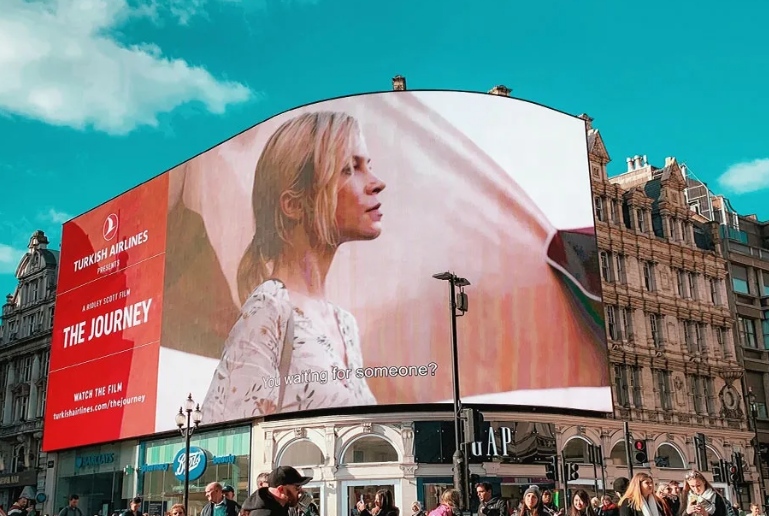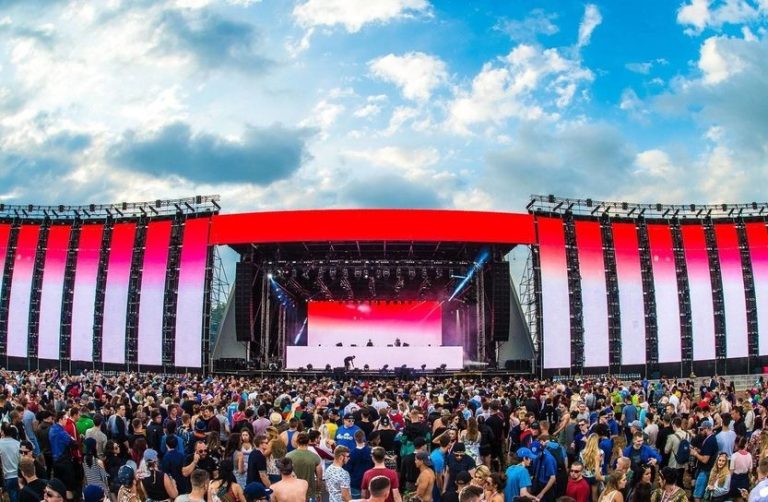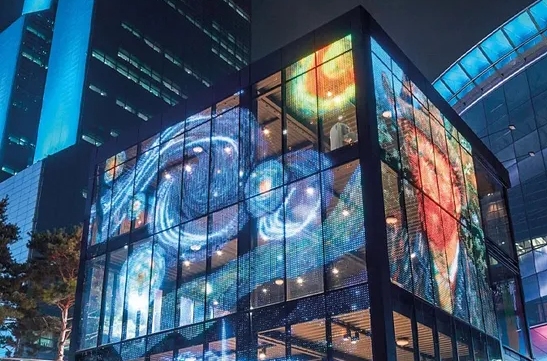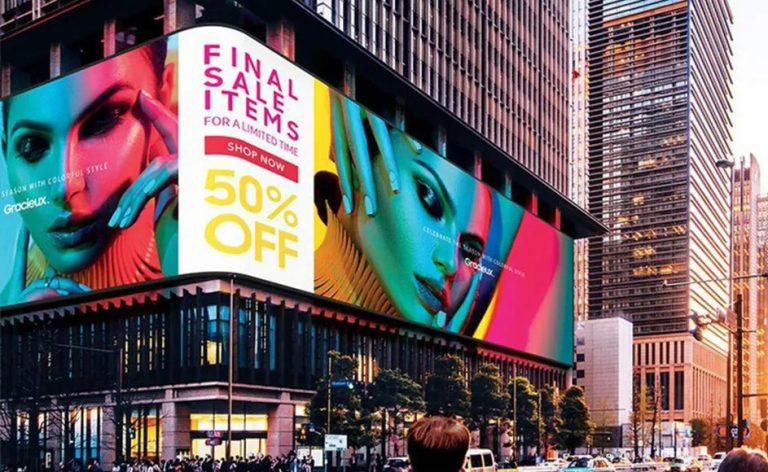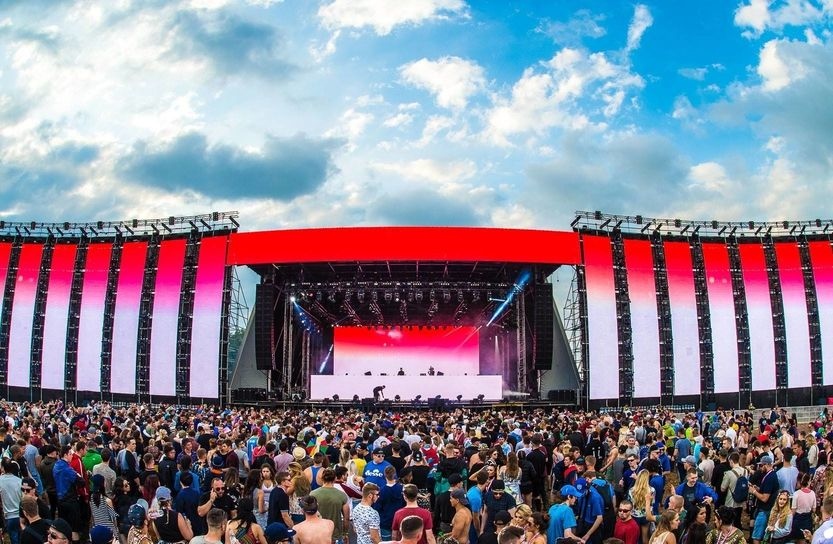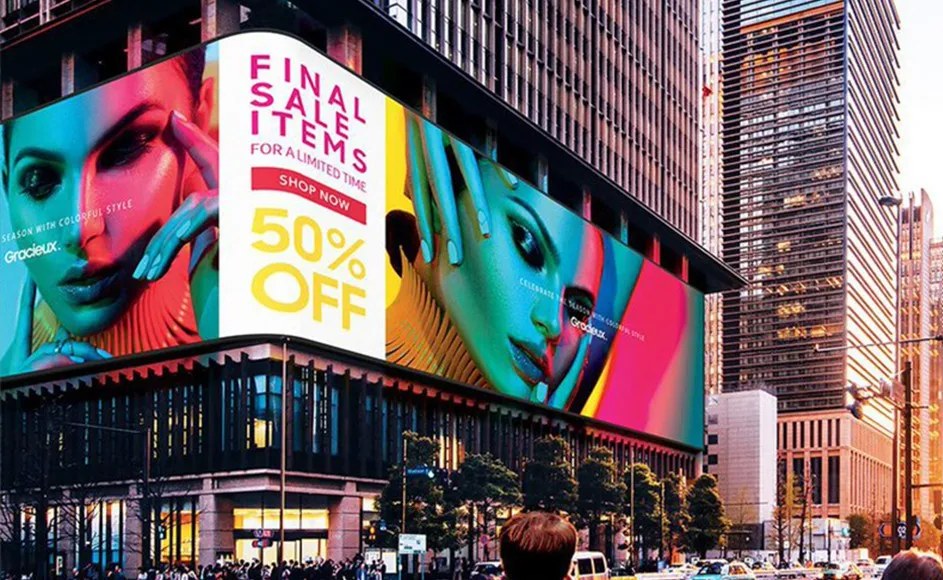
In today’s world of digital displays, a plain billboard or ordinary TV screen rarely grabs attention anymore. Businesses and event planners now rely on large LED walls to deliver striking visual experiences that draw people in. Yet true impact comes not only from sheer size; it depends on careful planning, solid technical work, and tailored engineering.
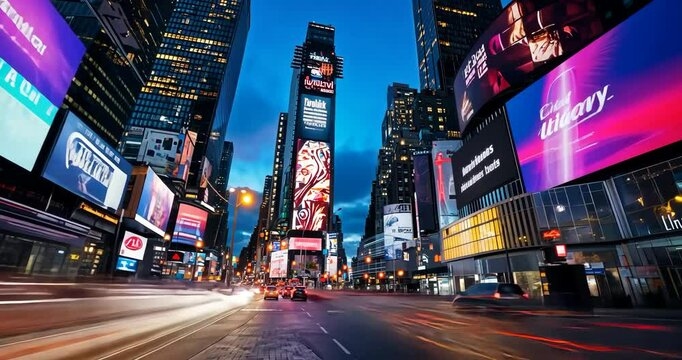
Defining the Vision: The Foundation of Impact
Every successful LED wall project starts long before any equipment arrives. First, you must understand clearly why the display exists and where it will go. The main purpose is usually to improve the look of a building or space, giving it a modern, high-quality feel while leaving a lasting memory on viewers.
The Importance of a Professional Partner
Good results demand more than a basic supplier. You need a manufacturer with real experience in this field. King Visionled has worked in the display business for over 15 years and uses our 15,000-square-meter factory and strong research team to turn ideas into dependable, high-quality screens.
Strategic Goal Alignment
Decide early what the display should do. Clear goals help shape every later decision:
- Brand Recognition: Show eye-catching images and fresh content that help people remember and trust the brand.
- Atmospheric Creation: Run moving visuals and themed videos timed with sound to build a complete, surrounding experience.
- Information Dissemination: Show live updates, welcome messages, or urgent notices.
- Revenue Generation: Run advertisements that attract more visitors and encourage purchases.
Environment and Specification Planning
The place where the screen will stand—inside or outside—controls almost every technical choice. A strong display must stay bright and reliable no matter the weather or lighting.
Outdoor vs. Indoor Requirements
- Outdoor Environments: These screens need very high brightness, often up to 7000 nits, so sunlight does not wash out the picture. They also require IP65 or IP66 ratings to keep out water and dust during heavy rain or storms.
- Indoor Environments: Here, the priority is sharp detail and true colors. Smaller pixel pitches between 0.9 mm and 1.56 mm work best for close viewing in meeting rooms, control centers, or shops.
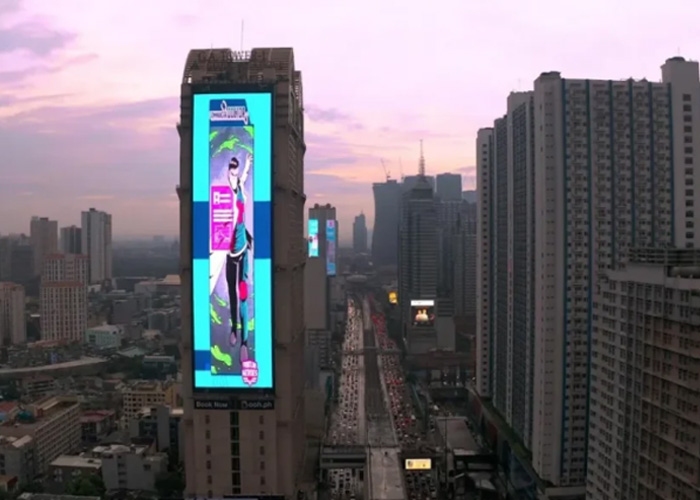
Determining Pixel Pitch and Viewing Distance
Pixel pitch—the space between pixels—decides how clear the image looks. Choose carefully for best results:
- UHD Small Pixel Pitch: Use these (0.9 mm to 1.86 mm) in busy places like airports or stores where people stand nearby.
- Standard Pitch: Larger pitches suit big outdoor signs or stadium edges where the audience watches from far away.
The Power of a Customized Design
Moving away from a simple rectangle often creates the strongest impression. A made-to-measure shape helps the screen fit naturally into its surroundings.
The Customized Workflow
Building a special display follows a clear path:
- Step 1: Visual Conceptualization: Send a sketch or drawing that shows the shape, exact sizes, and preferred pixel pitch.
- Step 2: Engineering Analysis: Specialists check if the idea works in practice. They calculate how many module types are needed and, when necessary, suggest practical changes that keep costs reasonable.
Beyond the Flat Screen
Special shapes raise interest considerably:
- Magic Cubes: Four, five, or six-sided units that catch attention from every direction.
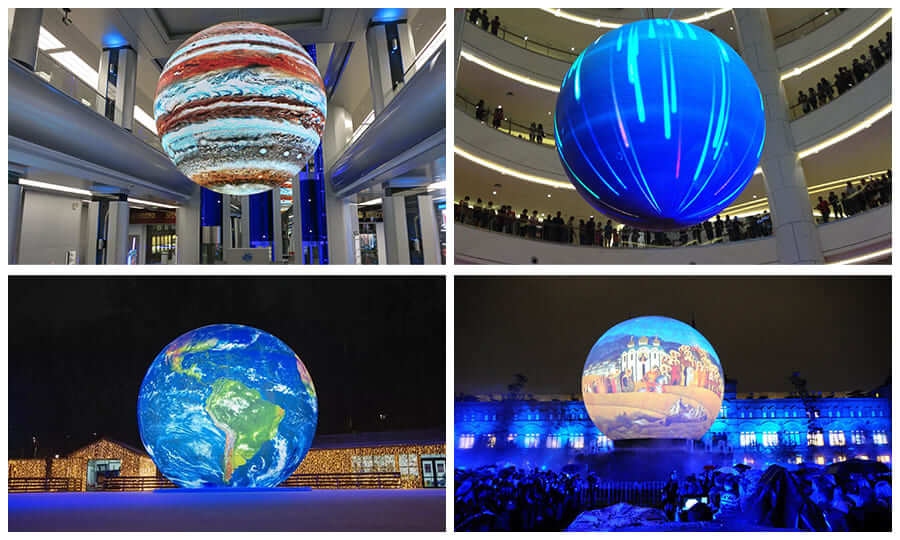
- Spherical and Cylindrical Displays: These offer full 360-degree views and a convincing three-dimensional look without special glasses.
- Soft Flexible Screens: Bendable modules that follow “S” curves, full circles, or wave patterns. They suit unusual building fronts or imaginative stage setups.
Technical Specifications for Visual Excellence
For a display to look truly impressive, the inside components and processing must meet high standards.
Achieving Vivid Visuals
Look for these features in commercial-grade screens:
- High Refresh Rate (3840 Hz): Keeps pictures smooth and free from flicker, even when filmed by professional cameras.
- Deep Gray Scale (16-bit): Delivers up to 68.7 billion colors for rich detail and smooth color changes.
- Contrast and Uniformity: Strong contrast ratios around 8000:1, plus point-by-point correction, make brightness and color stay even across the whole surface.
Reliability and Heat Management
A screen that stops working ruins the effect. Reliable series such as the KB Plus Outdoor or KU HD Video Walls include:
- Aluminum Chassis Designs: These handle high temperatures well and cool quickly, supporting a lifespan up to 100,000 hours.
- Energy-Saving Modules: Lower power use while keeping brightness strong.
- Safety Harnesses: Each module has safety cables to prevent any part from falling in crowded public areas.
Seamless Installation and Maintenance
The way the screen is mounted matters as much as the display itself. The aim is a clean, integrated finish that looks part of the building.
Mounting and Maintenance Strategies
Different situations call for different methods:
- Front-Service Design: Necessary for screens fixed to walls. Magnetic modules allow full front access, which cuts labor time and expense.
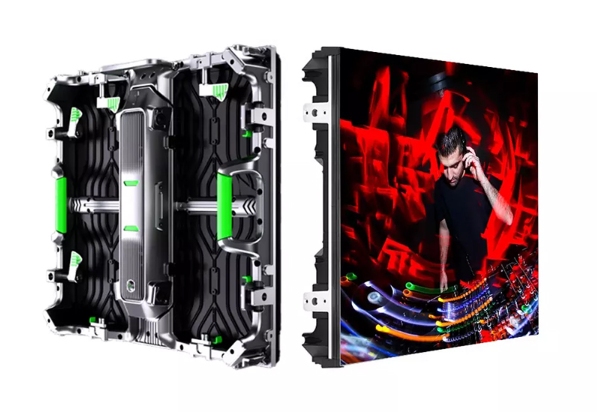
- Die-Casting Aluminum Cabinets: Lightweight cabinets, such as those in the KC Rental series, make quick setup and takedown possible, with perfectly tight joins.
- Curved Fast Locks: In the KF Curved series, these let you adjust angles by ±5° to form smooth inward or outward curves on creative stages.
Global Professional Support
Large LED walls can be complicated to install. A manufacturer like King Visionled offers full help:
- CAD Simulation: See exactly how the project will look before work starts.
- Global Installation Teams: Skilled crews available in numerous overseas client case studies, including the USA, Indonesia, and France, for hands-on assistance.
- 7x24h After-Sales Support: Quick help whenever technical problems appear.
Final Testing and Content Optimization
The last stage before opening is checking that everything works perfectly and the content matches the hardware.
Testing for Perfection
Every high-quality installation includes:
- Aging Tests: Run the screen for long periods to confirm it stays stable.
- Waterproof/Dustproof Testing: Verify outdoor models reach IP65/IP66 protection levels.
- Naked-Eye 3D Effects: Use 90-degree curved setups to produce lifelike three-dimensional pictures that catch public attention.
Remote and Smart Control
Today’s systems let you update content and adjust settings from anywhere using WiFi or 4G. Advertisements can change anytime, and brightness can shift automatically or on a schedule to save electricity after dark.
About King Visionled
King Visionled is a modern high-tech company focused on research, manufacturing, and installation of LED display solutions. Following the principle of “integrity and innovation,” the company serves clients in various countries. Its range covers UHD small-pitch screens as well as creative custom shapes. All products meet international standards such as CE, RoHS, and FCC.
FAQ
Q: How do I choose the right pixel pitch?
A: Pixel pitch depends on viewing distance. UHD displays (0.9 mm–1.86 mm) suit indoor areas where people stand close, while larger pitches work better and cost less for distant outdoor viewing.
Q: Can I get an LED display in a non-standard shape?
A: Yes. Our customized services allow screens in forms such as cubes, spheres, cylinders, and flexible curves to match unusual buildings or designs.
Q: What is the benefit of front-service maintenance?
A: Front-service lets you reach modules from the front of the screen. This is especially useful for wall-mounted displays where back access is impossible.
Q: Are outdoor screens weather-resistant?
A: Professional outdoor LED screens carry IP65/IP66 ratings. They stay fully waterproof and dustproof, giving stable performance in harsh conditions.