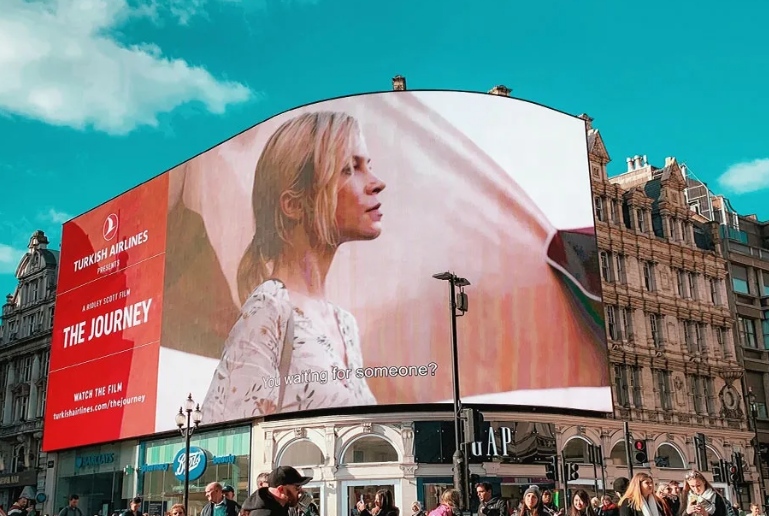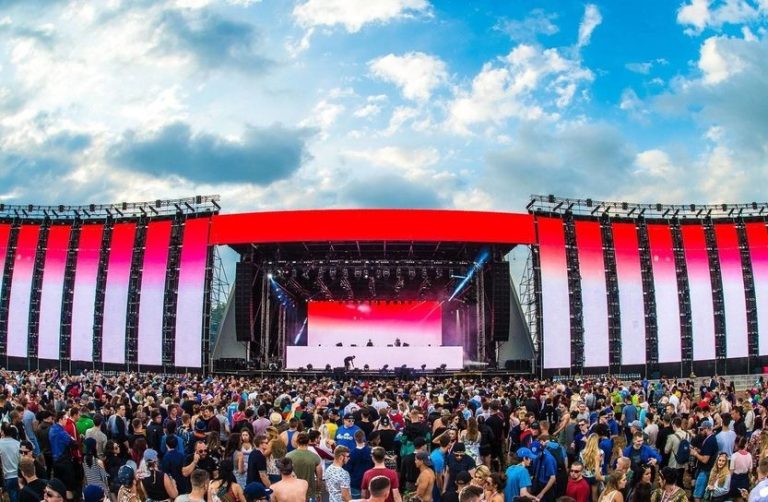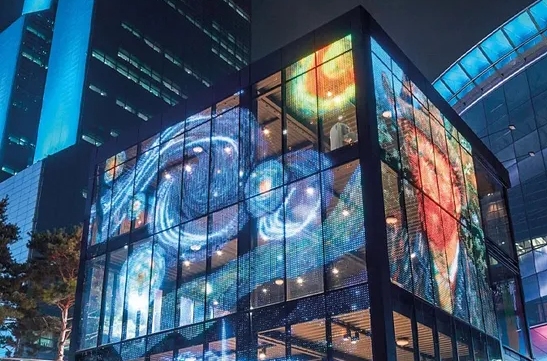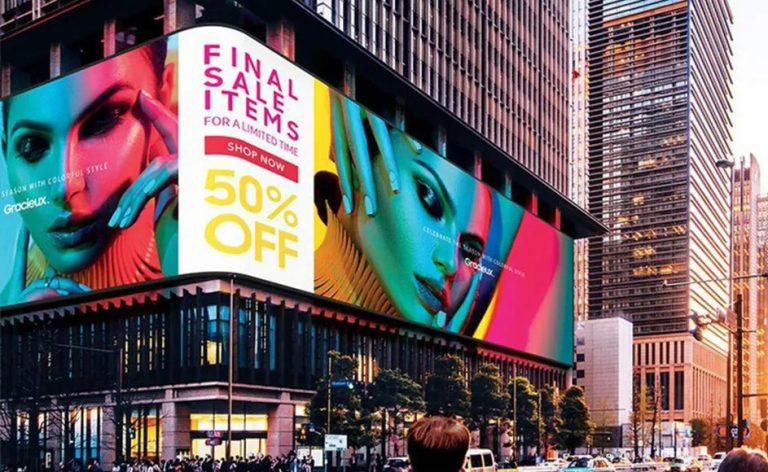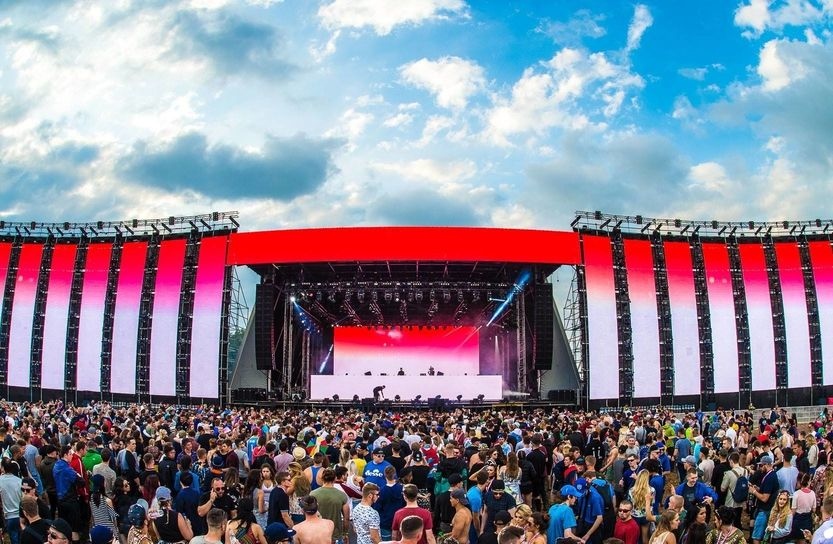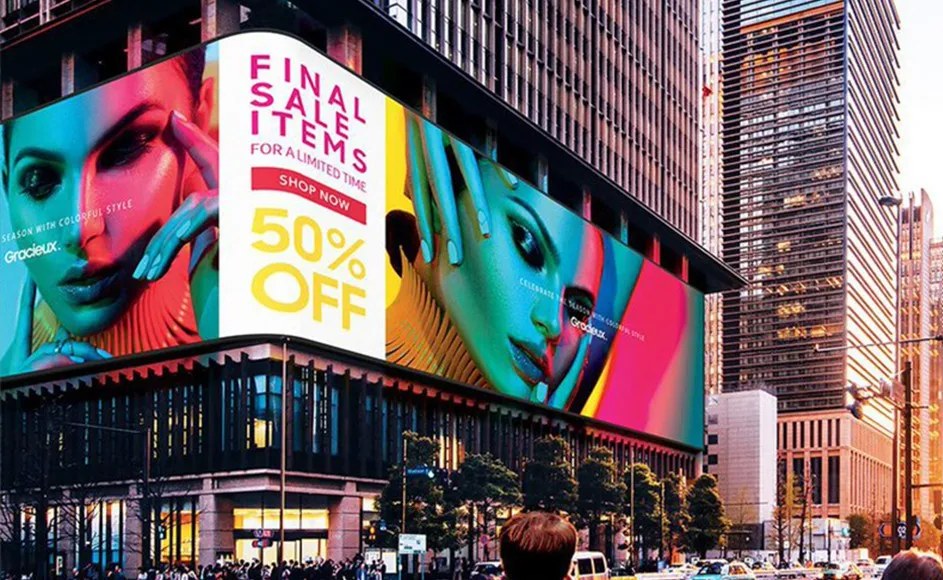
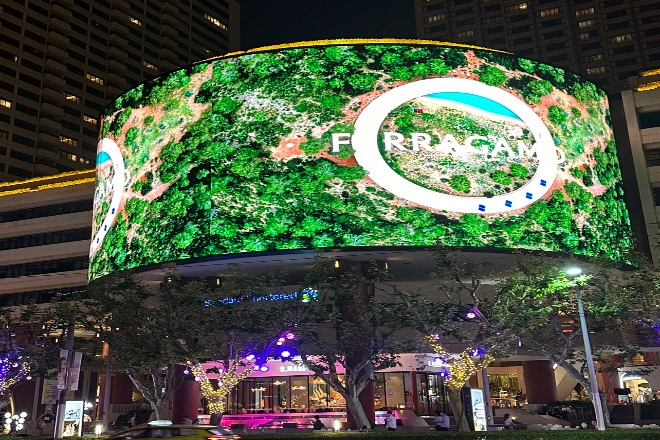
In the current world of visual advertising, old-style flat billboards are losing ground to lively digital screens that draw people in. One of the most eye-catching developments is outdoor curved LED screens. These displays grab attention with their wrap-around feel and often create a naked-eye 3D effect that looks real without glasses. As a company focused on LED products, King Visionled knows that bringing these bold ideas to life depends completely on a strong supporting frame.
This piece explains the main engineering rules for building the steel frame that holds an outdoor curved LED screen. The goal is to keep it safe, long-lasting, and able to show content at its best.
The Mandate of Outdoor Curved LED Structures
The steel frame for an outdoor curved LED screen carries the weight and keeps the display in place. It needs careful thought in planning, choice of materials, and building work so the screen stays steady, safe, and performs well.
Core Principles of Steel Structure Design
The biggest issue with outdoor setups comes from the forces that act on a large surface. Engineers must figure out loads from the screen’s own weight, possible earthquakes, and above all, wind pressure.
- Wind Load Analysis: Outdoor settings vary a lot, so wind pressure stands out as a major concern. Calculations start with local wind speeds and pressure data.
- Safety Margin: The frame design should handle at least 1.5 times the expected loads to leave room for unexpected stress.
- Safety and Maintenance Integration: Plans need to make installation and later repairs straightforward. This means adding walkways for workers and clear paths for cables.
- Environmental Protection: The frame should include ways to handle water runoff, allow air flow, and guard against lightning strikes so both the steel and the LED screen keep working normally.
Achieving Precise Curvature
A curved screen works best when the arc looks smooth and even. Models like the King Visionled KF Curved LED Model or setups that allow 90-degree corners for 3D effects depend on getting the bend just right.
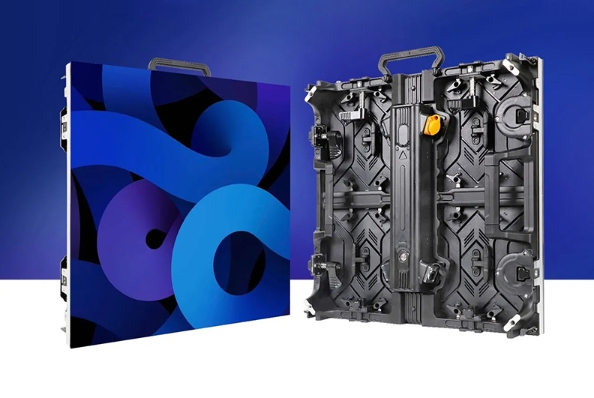
- Curvature Radius Calculation: Workers calculate the exact radius of the bend to match the planned arc, so modules fit together without gaps.
- Template Use: Factories make curvature templates ahead of time for the screen body.
- Splicing Accuracy: Teams attach modules one after another, following the template’s shape. The radius error must stay at 3% or less.
Essential Material Selection
Picking the right steel matters greatly for strength and lasting use outdoors. Our screens need IP65 or IP66 ratings to stand up to rain, dust, and tough weather. Common steel parts include these types:
High-Strength Steel Components
| Material Type | Section Shape | Key Advantages & Applications |
| Square Tube | Hollow square section, light and thin-walled. | Strong overall strength and easy welding. Often chosen for main beams and edge pieces. |
| Channel Steel | Concave groove section, long strip shape. | Good flexibility under stress. Used for primary frames and welded posts. |
| H-Beam | H-shaped section. | Excellent load-carrying ability. Common for main support beams and columns. |
| Welded Round Tube | Concentric circular ring section. | Reliable welding qualities. Suitable for columns and inner bracing inside the screen. |
Installation and Quality Assurance
A solid plan can still fail if the building work lacks care. Each step in putting it together follows strict checks to confirm safety and firmness.
Foundation and Fabrication
For screens placed on the ground, a strong concrete base comes first.
- Foundation Requirements: The base must bear the full weight and stay level.
- Flatness Check: After pouring, workers use a level tool to measure corners; the height difference across them should not exceed 2mm.
- Steel Processing: This covers cutting, welding, and straightening the parts. A careful welding order, sometimes with pre-heating, helps limit bending from heat.
- Corrosion Protection: Once welding finishes, crews remove rust and apply primer, followed by top paint layers.
Integrating the Curved Display
Attaching King Visionled modules to the frame requires steady hands for a flat viewing surface.
- Positioning: Marks go on the steel based on the layout drawing to show where each module sits.
- Curved Splicing: For bent screens, teams add modules in order using the curvature template.
- Connection and Gaps: Fasteners hold tight, and spaces between modules stay even.
Quality Detection and Final Testing
Checks happen during and after building to catch problems early.
- Construction Monitoring: Workers measure upright alignment, surface levelness, and weld strength as the frame goes up.
- Stability Validation: When everything is in place, tests like adding weight confirm it holds steady.
- Product Reliability: Our outdoor units include aluminum bases for extra protection, fully sealed parts inside, and strong heat release for long service life.
King Visionled’s Customized Approach to Structure Design
At King Visionled, our custom services guide projects from start to finish so the frame matches the planned look perfectly.
Technical Design Support
We start with close teamwork and deep engineering knowledge.
- Initial Consultation: Customers share their LED display sketch with shape, exact sizes, chosen pixel pitch, and mounting style.
- Engineering Analysis: Our team reviews the details and works out module types, numbers needed, any special molds, and cost estimates.
- Visual and Structural Design: We supply free 3D SIMULATION views of the finished project and 2D CAD DESIGN drawings for frame layout, signal lines, and power wiring.
- Structure Delivery: We build the frame, test-fit all parts in our shop, and only ship after confirming fit.
We handle complex forms such as Magic Cube, Spherical, Cylindrical, Ring Shape, and other Special Shapes. The KB Ball 360 Degree Sphere Led Display shows our skill with tricky outdoor curves.
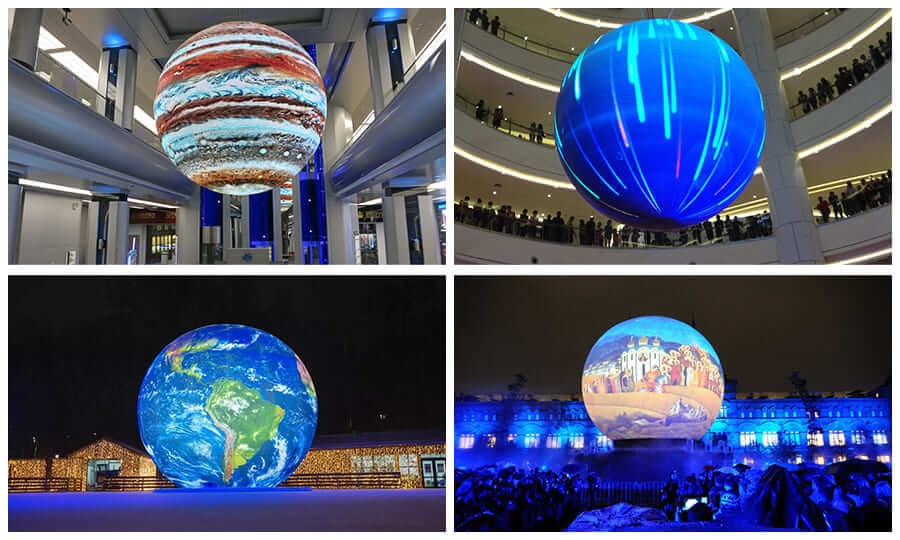
Product Features for Outdoor Curved Applications
Our outdoor screens pair well with strong steel frames for lasting performance.
- Durability and Protection: King Visionled outdoor LED billboards suit permanent setups with power-saving modules and low energy use. They carry IP65 dust and water resistance.
- Visual Performance: For strong commercial impact, these screens reach brightness levels up to 6000 CD/㎡ or 7000 nits with refresh rates of 3840Hz, producing clear and lively pictures.
- Maintenance Convenience: Cabinets allow service from the front or back. King Visionled also runs a 7x24H online support team for quick help, and our installation crews work in more than 50 countries for on-site guidance.
Key Takeaways
Building the steel support for an outdoor curved LED screen calls for careful civil engineering—mainly accurate load figures and bend measurements—combined with skilled making and fitting. Strong materials like H-beams and Channel Steel provide solid backing, while features in our IP65/IP66 products help the message stay bright through bad weather.
King Visionled stays committed to detailed custom work, supplying engineering help from 2D CAD DESIGN to 3D SIMULATION so any idea, even complex Spherical or Cylindrical forms, becomes reality safely and well.
FAQ
Q: Why is wind load so important in outdoor curved screen design?
A: Due to the complex nature of outdoor environments and the large surface area of the screen, the steel structure must be designed with a safety factor of 1.5 times the calculated wind loads.
Q: How does King Visionled ensure the arc of a curved LED screen is accurate?
A: We calculate the precise curvature radius, utilize curvature templates during fabrication, and modules are spliced sequentially based on the template, targeting a curvature radius error of ≤ 3%.
Q: Does King Visionled provide design support for the steel structure?
A: Yes, we provide comprehensive customized solutions, including free-of-charge 2D CAD DESIGN for the structure and connections, and we even offer the frame structure and can trial assemble it before shipping.
Q: What protection level do King Visionled’s outdoor screens offer?
A: Our outdoor products feature high ingress protection ratings, typically IP65 or IP66, making them weatherproof and dustproof for harsh environments.