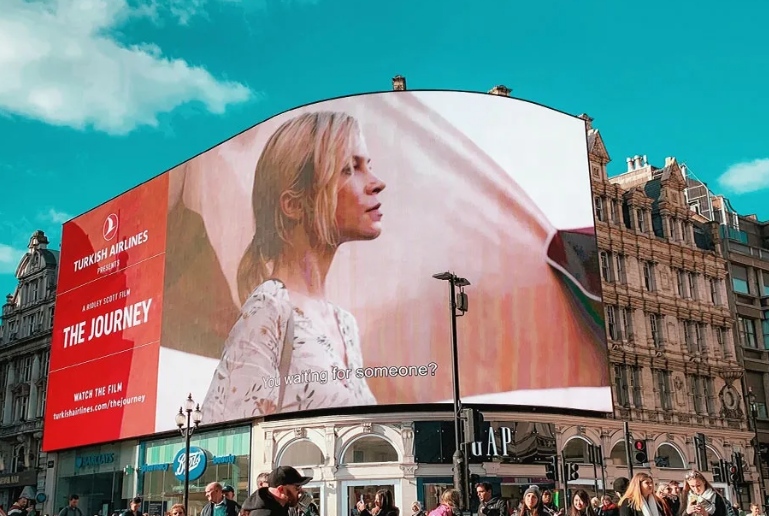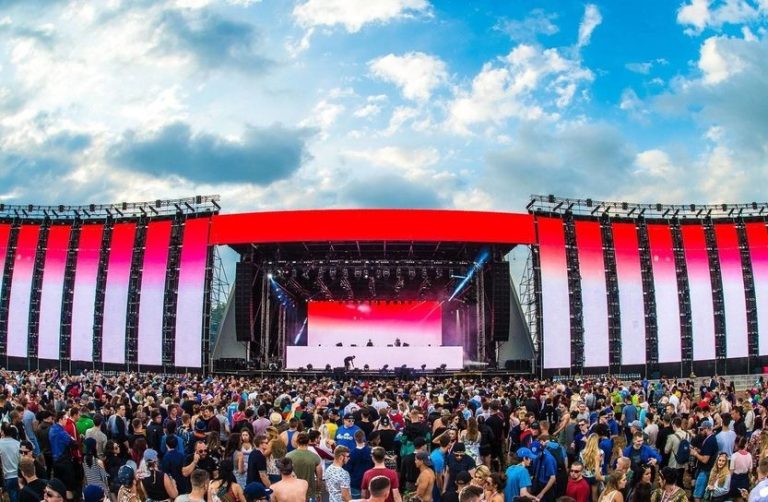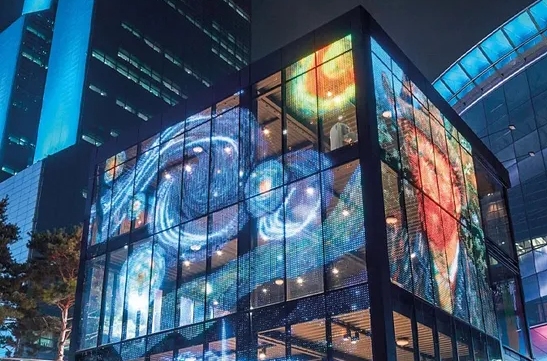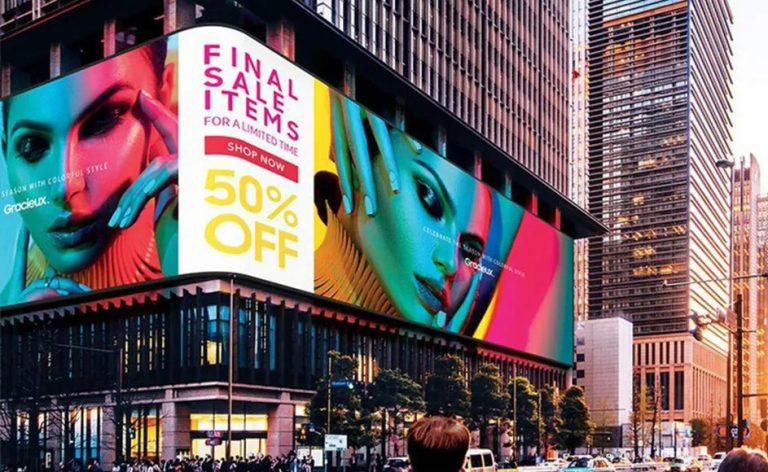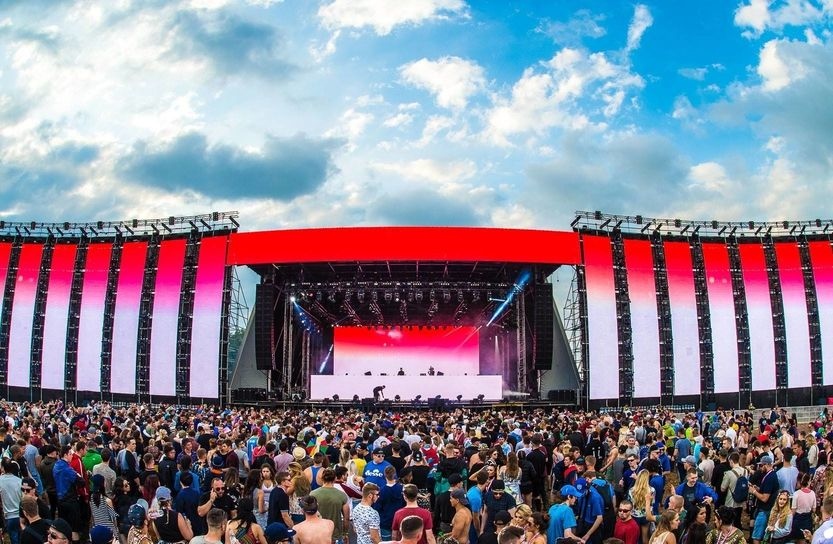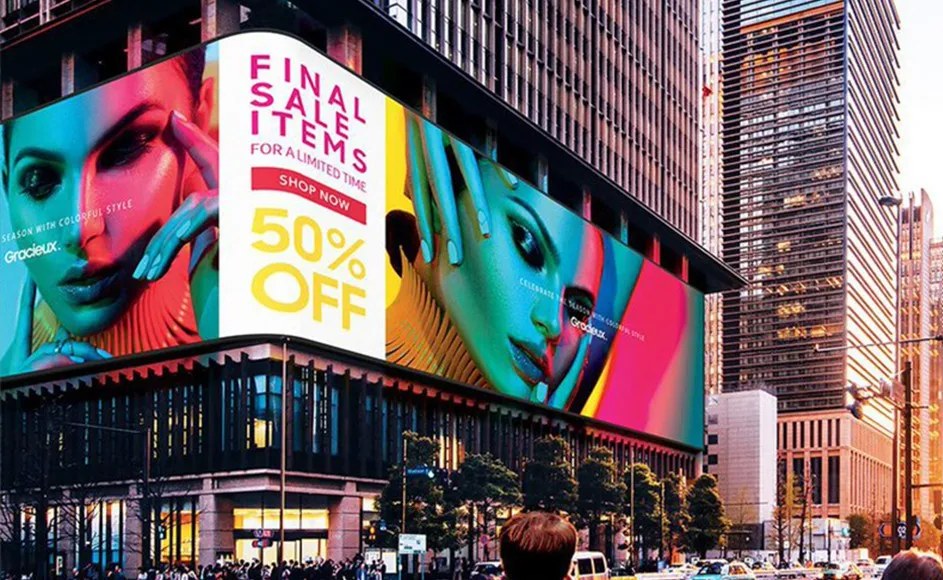
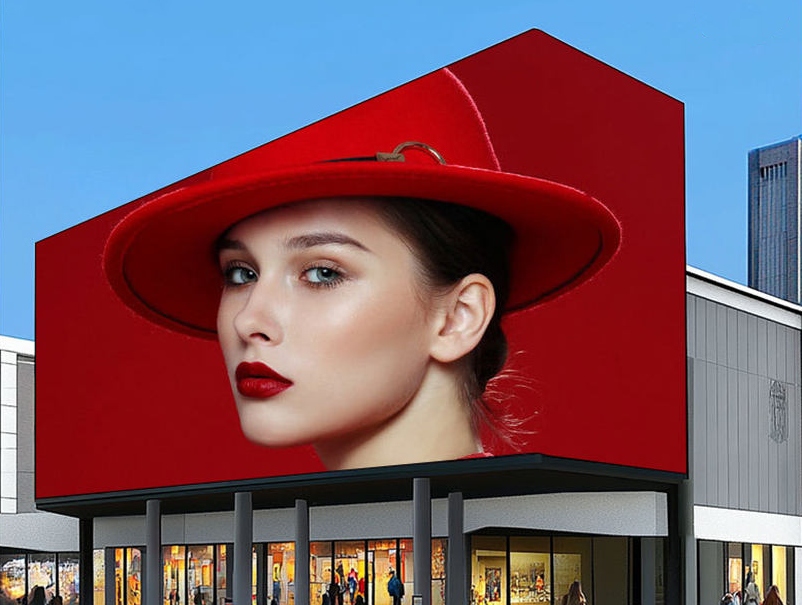
Think about a large digital sign that turns smoothly around a building edge in a busy shopping area. These corner setups look impressive in today’s advertising, but compared with flat screens, they introduce far more complex structural and environmental challenges that often lead to premature failures. Businesses need to know these issues before spending on big displays that should last for years.
As a professional LED display manufacturer, King Visionled has worked extensively with corner and irregular LED screen projects, where structural stress, heat management, and long-term stability are critical design considerations.
The Physics of Corner Stress in LED Architecture
A corner in an LED setup is more than a bend. It collects pulling and pushing forces. Flat walls spread the weight evenly on one side. Corners deal with forces coming from two directions at once.
Mechanical Load and Tension Concentration
When two LED screen sections meet at a 90-degree angle, the supporting frame must carry the combined weight of both sides along a single vertical line, dramatically increasing structural load.
- Vector Force Imbalance: Outdoors, wind pressure impacts each screen face differently, creating torsional forces that twist the corner structure over time.
- Joint Vulnerability: The joining spot stays weakest if the cabinet does not handle side movements from the building sway.
- Gravity and Compression: Over months or years, weight presses down. At corners, this can open small spaces or crush pixels where parts touch.
Many outdoor signs face strong winds from changing directions. Twisting builds up and loosens bolts at the corner over time.
Precision Alignment and the “Lever Effect”
While a 1 mm misalignment may be invisible on a flat panel, the same error becomes highly noticeable at a corner due to angular amplification.
- Geometric Precision: If the support frame tilts even a bit, the two sides do not line up cleanly. Dark lines appear, or pictures do not match across the bend.
- Structural Warping: Minor building settlement combined with daily thermal expansion and contraction can gradually pull corner joints apart or compress them, damaging edge LEDs and cabinet alignment.
Installers often check levels many times on corner jobs. A tiny error at the base grows bigger toward the top on tall walls.
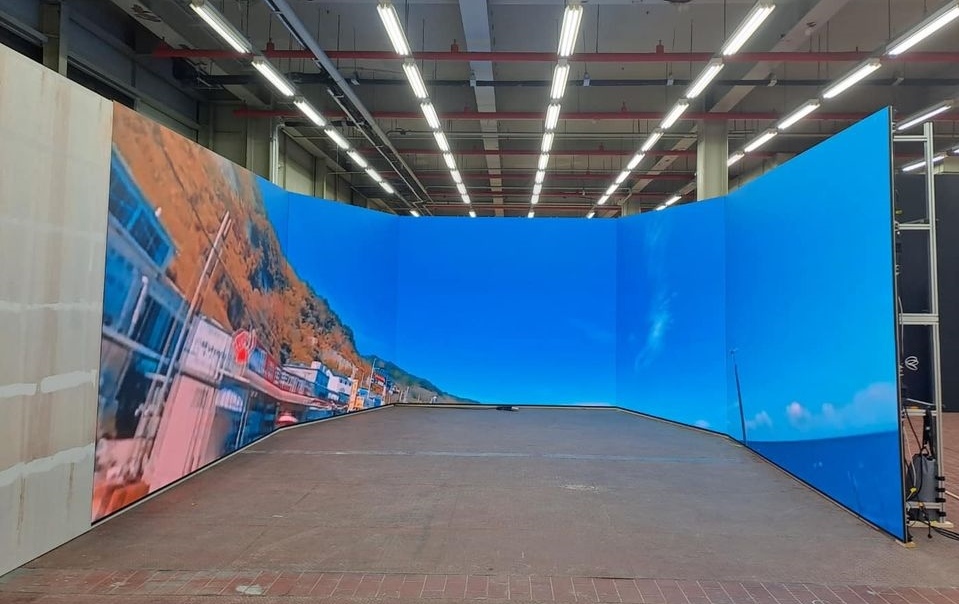
Thermal Dynamics and Material Expansion
Heat silently degrades electronic components, and its damaging effects are significantly amplified in corner LED structures. Screens make warmth inside while running. Good ways to move heat out matter a lot.
Differential Thermal Expansion
Parts like aluminum frames, steel mounts, copper wires, and plastic covers grow at different rates with heat.
- Confined Heat: Corners trap warmth if air cannot flow well. Edge areas get hotter than the middle sections.
- Expansion Stress: Repeated heating during the day and cooling at night causes continuous thermal fatigue, weakening metal joints and LED solder points over time.
- Module Popping: Too much heat push can pop modules off the frame. Pins hold under ongoing pull from bad fits.
Screens in hot places can reach high temperatures on sunny days. Corners without good vents stay warmer longer.
Heat Dissipation Barriers
Moving heat away helps screens last their full 100,000 hours.
- Airflow Obstruction: Corner spots often block back access. Fans work harder or less well.
- Material Choice: Compared with steel, die-casting aluminum cabinets dissipate heat much faster, helping maintain safer internal temperatures during long operating hours.
Aluminum cabinets cool faster in tests. They keep the inside parts at safer levels during long runs.
Environmental Resilience and Protection Levels
Outside screens face the weather most at corners. Water and dust attack there first.
The Challenge of Seamless Sealing
High IP ratings are hard when two cabinets join at an angle.
- IP65 and IP66 Requirements: Units need protection from dust and water front and back.
- Edge Seal Failure: Poorly engineered corner joints allow rainwater to penetrate seams, often resulting in short circuits or long-term corrosion.
- Vibration and Impact: Busy spots or sports venues shake screens. Fasteners loosen at corners with time.
Rain on angled joints runs right into gaps if seals fail. Corrosion starts quickly in wet areas.
Engineering Solutions for Reliable Corner Displays
Makers need special designs beyond normal cabinets for good corner work. Custom parts and careful planning keep things steady under load.
Specialized Cabinet Designs for Splicing
Regular flat units rarely work well for clean corners.
- 90° Right-Angle Splicing: New types allow tight 90-degree joins with no visible spaces.
- Curved and Flexible Options: Custom curved units handle ±5° bends or full 90-degree curves. These give a smooth 3D look without eyes needing glasses.
- Die-Casting Aluminum: This material makes lighter, tougher frames. It fights bending and moves heat better.
Advanced Technical Specifications
Inside parts decide how well corners hold up.
- High Refresh Rates: 3840Hz keeps pictures smooth across bends, no flicker on video.
- Brightness and Grayscale: Good chips give 16-bit gray levels and up to 6500 nits. Images stay clear in bright sun.
- Front Service Accessibility: Front open designs help when backs are blocked. Workers fix parts quickly without a big teardown.
About King Visionled
King Visionled focuses on LED items with OEM and ODM work. The 5,000 square meter site in Shenzhen handles design, making, and setup. We offer full custom answers and meet client needs for movement and style.
Why Customized Approaches are Essential
Poorly engineered corner joints allow rainwater to penetrate seams, often resulting in short circuits or long-term corrosion. Custom work fits the exact spot, load, and weather.
- Customized Sizes: 250x250mm modules adjust to wall needs.
- Customized Shapes: Options go past basic corners to Magic Cubes(KS), Spherical displays (KY), and Cylindrical screens (KZ). Each needs its own force handling.
- Customized Refresh Rates: Some solution need over 3840Hz,some solution need over 7680Hz.
From indoor hotel stages (KI HD Model) to huge outside 3D signs (KR 3D Model), King Visionled uses modern test tools and tight quality steps. Projects last through years of use.
FAQ
Q: Can any LED screen be used for a corner installation?
A: No. Standard cabinets often lack the precision for seamless splicing. It is better to use a customized model designed specifically for 90° right-angle or curved installation.
Q: How do you maintain a corner LED screen if there is no rear access?
A: You should choose a model with a full front service design, allowing modules and power boxes to be removed from the front.
Q: Are curved screens more durable than right-angle corners?
A: Curved screens distribute stress more evenly, but they require high-precision curved locks (like -10° to +15°) to maintain structural integrity.
Q: Do corner LED screens require higher maintenance than flat screens?
A: Not if they are properly engineered. Customized corner cabinets with front service access and reinforced joints significantly reduce long-term maintenance needs.