In the world of top-quality visual displays, what separates a solid screen from a stunning one comes down to how accurately it handles light. King Visionled is a leading high-tech company that focuses on researching, developing, and building professional LED products. With more than 15 years in the field, the team works to deliver strong visual results that bring digital pictures closer to real life.
The Fundamental Link Between Color and Brightness
The way people see images depends on both light strength and correct colors. Many people look only at numbers like nits or lumens when talking about brightness. Yet real brightness shows through steady colors and is even spread across the screen. If calibration is missing, a screen might shine bright but still look flat or off.
Understanding Point-by-Point Correction
Color adjustment through point-by-point correction means tweaking the light and shade of every single pixel on an LED panel. This step makes the whole surface look like one smooth piece.
- Uniformity: Calibration gets rid of blotchy areas where parts of the screen seem warmer or cooler than the rest.
- Accuracy: It keeps the exact color a company wants showing up the same, no matter which batch of LEDs was used.
- Efficiency: Balancing each diode lets the whole screen reach its best look without pushing some parts too hard.
The Impact of LED Attenuation
Every LED product loses some brightness as time passes. Poor-quality ones can drop 10% to 70% in just a year. Good calibration helps fight this loss. It allows changes as diodes get older, so the picture stays steady for up to 100,000 hours.
Why Calibration is Essential for Professional Applications
In fields like broadcasting or upscale stores, color carries the main message. When calibration falls short, that message gets muddled. Professional screens need to hit strict quality marks to stay believable and draw people in.
Elevating the Retail and Hospitality Experience
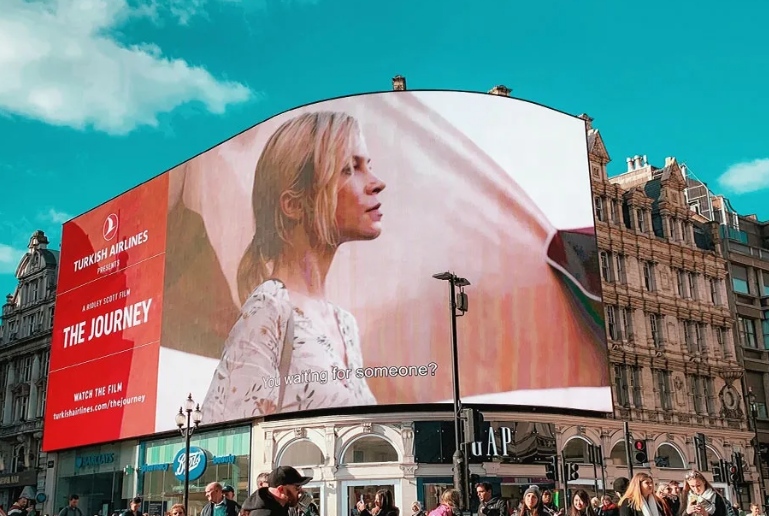
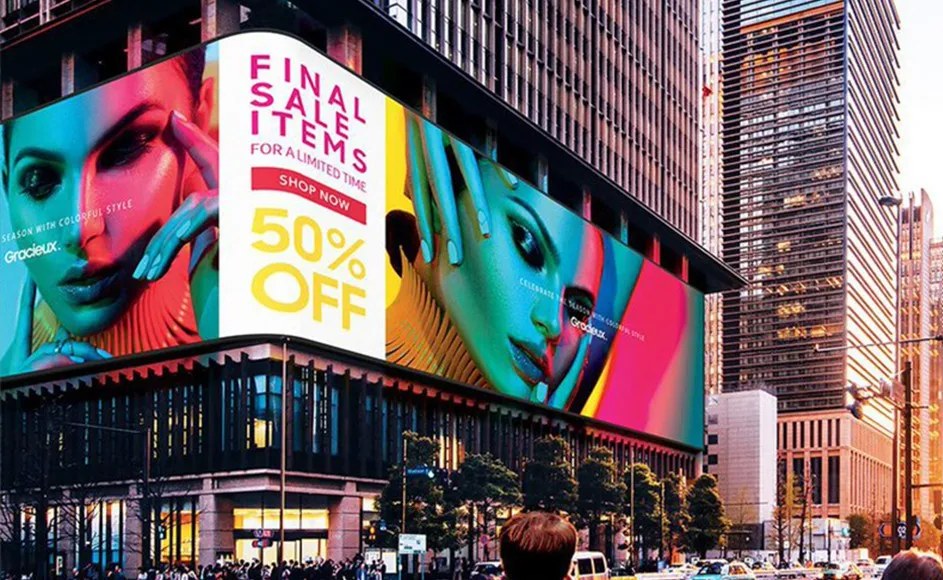
Shopping malls and fancy hotels use LED walls to build inviting spaces.
- Brand Identity: Stores count on exact color ranges to keep their look familiar to customers.
- Immersive Atmosphere: In bars or hotel entry areas, well-tuned screens match lights and themes to set the right feel.
- Consumer Engagement: Sharp pictures with 68.7 billion colors turn basic ads into strong selling tools.
Precision in Broadcasting and Events
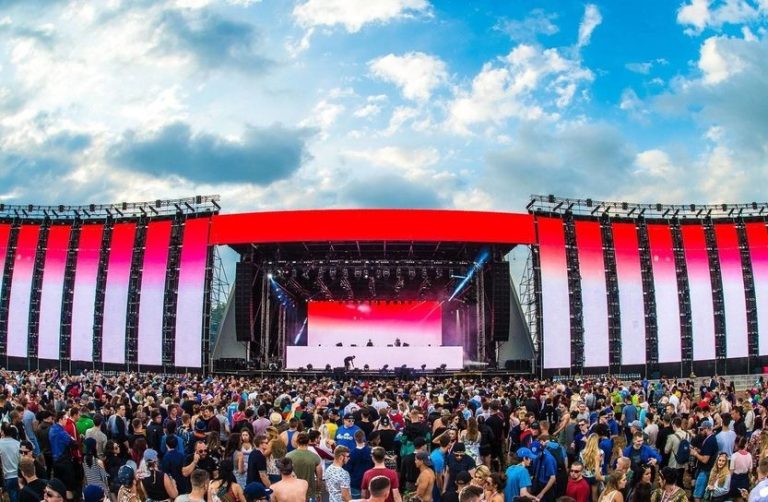
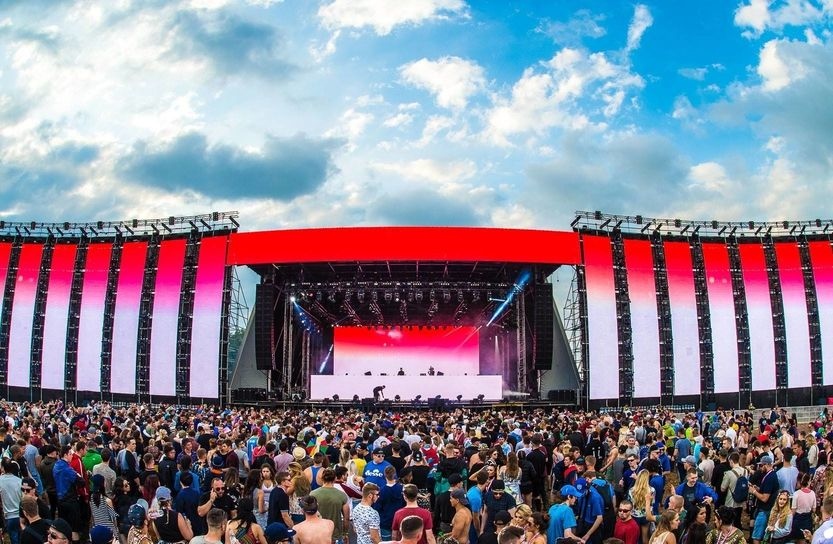
Television studios and product launches demand screens that hold up under camera lights.
- High Refresh Rates: A rate of 3840Hz stops visible lines or color spots when high-definition cameras record.
- Grayscale Depth: Levels above 14-bit or 16-bit keep shade changes smooth without rough steps.
- Contrast Ratios: Ratios like 8000:1 make dark areas deep and bright spots clear. This boosts how bright the whole picture feels.
The Necessity of Customized Calibration Solutions
Regular screens often run into trouble with unusual building designs. Each job faces different lighting and viewing spots, so hardware and software need a tailored setup.
Harmonizing Technology with Architecture
When an LED panel goes onto a building front or inside a special room, the surroundings set the calibration rules.
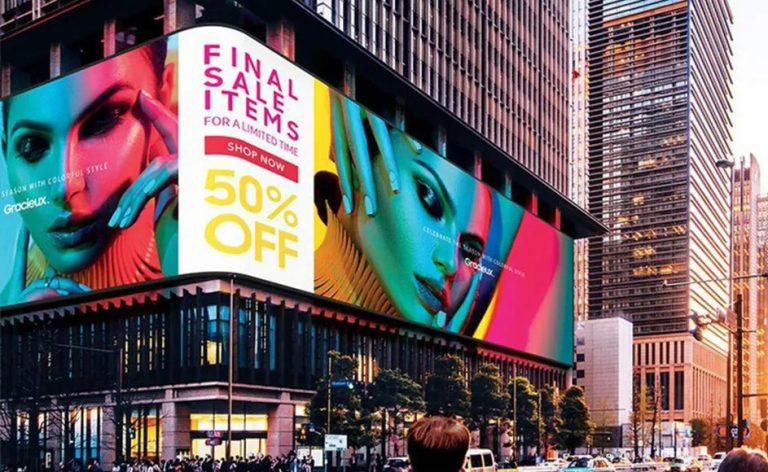
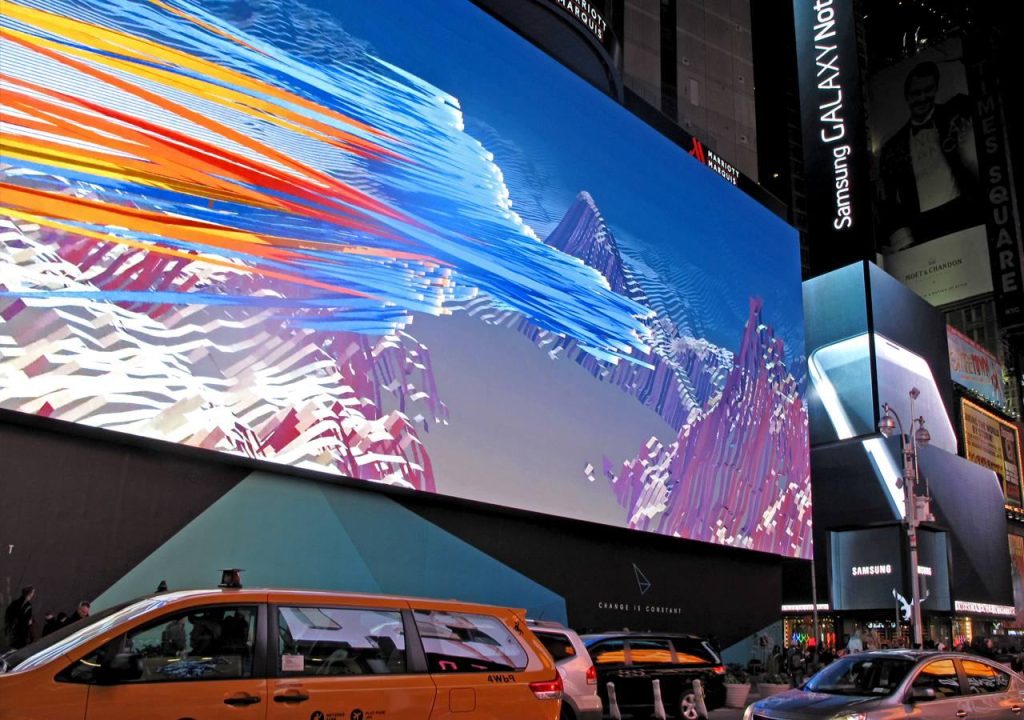
- Flexible Integration: Advanced SMT methods let customized flexible screens bend into any shape. They need special tuning to keep the light even on curves.
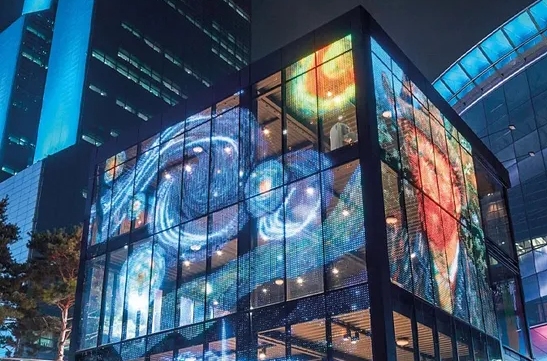
- Mesh and Transparency: Customized mesh displays reach up to 70% transparency. Tuning balances light so they stay clear in sunlight yet keep the open view.
- Environmental Adaptation: Outdoor units can use sensors to adjust brightness on their own. This keeps them bold in daylight and saves power after dark.
Creative Geometries and Seamless Splicing
Unusual shapes call for more than basic tools. They require custom PCB layouts and tuning files.
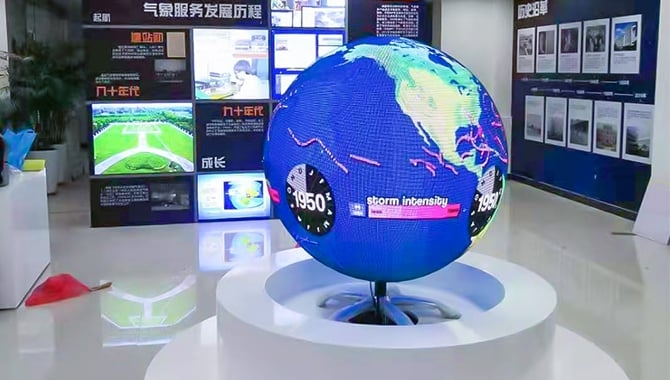
- Spherical Displays: These give views from every side. Trapezoid PCBs help pieces join without gaps and keep colors matched all over.
- Magic Cubes: Offered with 4, 5, or 6 faces, these customized cubes demand careful edge tuning. Pictures then move smoothly across the sides.
- Cylindrical Pillars: Customized round screens wrap posts without breaks. They turn plain supports into full-circle digital shows that look good from anywhere.
Technical Excellence: Small Pixel Pitch and UHD Performance
As pixels get closer together, there is less room for color mistakes. The UHD small pixel pitch line from 0.9mm to 1.56mm shows the height of this careful work.
Achieving True-to-Life Imagery
- Wide Color Gamut: Top models hit up to 110% NTSC coverage. This gives richer, more natural pictures than typical store screens.
- High Brightness Output: Indoor small-pitch units reach 600 to 1000 nits. Outdoor ones for large venues go up to 7000 nits, staying sharp in strong sun.
- Heat Dissipation and Stability: Aluminum frames and smart cooling designs stop heat changes from shifting colors or light levels.
Quality Assurance: The King Visionled Standard
At King Visionled, quality sits at the center of the work. The 5,000-square-meter plant in Shenzhen follows steps that send every customized screen out perfectly tuned.
Rigorous Testing Protocols
Each screen faces a full set of checks before leaving:
- Uniformity Testing: Staff run light and color matches so every section lines up.
- Aging Tests: Long-run simulations catch and fix early drop-offs.
- Environmental Stress: Units go through water (IP65/IP66), dust, and temperature trials from -40°C to 60°C for any weather.
- Component Selection: Only trusted names supply LED lamps, ICs, and power units for solid core performance in customized products.
Global Support and Design Services
Big visual jobs need skilled help from start to finish.
- Free Design Assistance: The company supplies CAD drawings to our clients free of charge, and we also offer video tutorials for child installation.
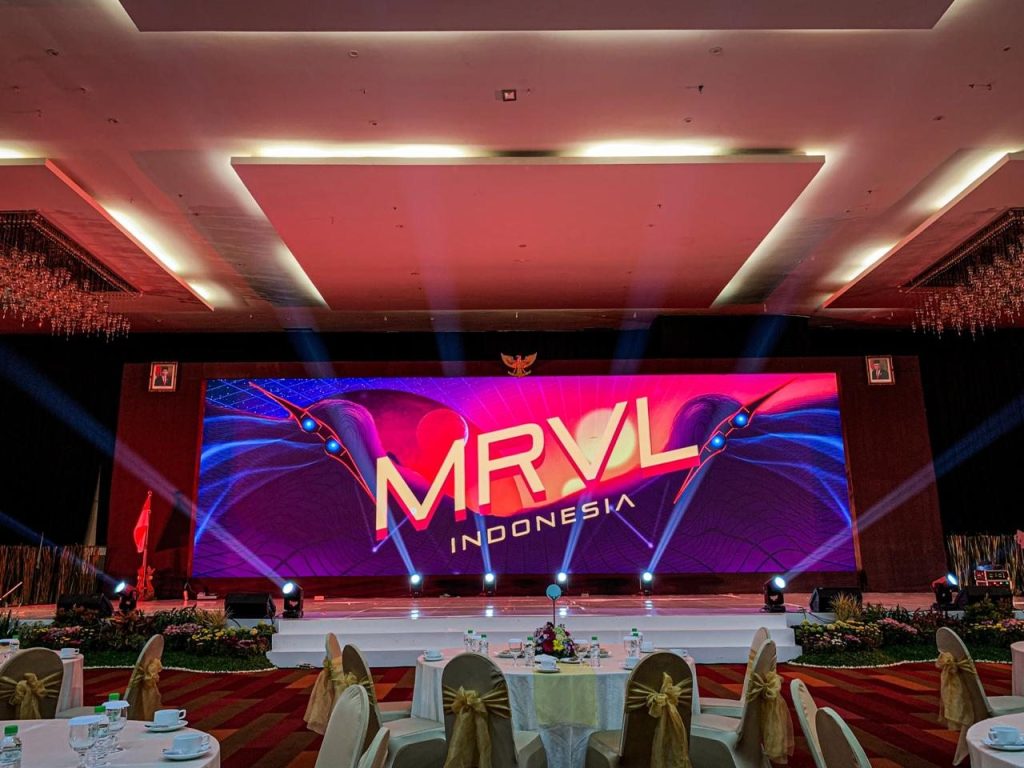
- International Installation: We have numerous overseas client case studies, such as the USA, France, and Indonesia. And we also provide ample tutorial videos for clients to reference.
- Reliable Warranty: Key parts carry a 5-year cover, backed by round-the-clock online experts.
The path to real brightness follows technical steps, yet the outcome touches feelings. Through careful color tuning and flexible custom builds, ordinary areas become lasting visual memories.
FAQ
Q: Why does my LED screen look patchy or uneven in color?
A: This is usually due to a lack of point-by-point calibration or using different batches of LEDs. Professional calibration ensures that brightness and color are uniform across all modules.
Q: Can you provide customized LED screens for irregular building shapes?
A: Yes, we specialize in customized solutions, including flexible, spherical, and cubic displays that can be tailored to any unique architectural specification.
Q: How long will a King Visionled screen maintain its brightness?
A: Our products are designed for a lifespan of approximately 100,000 hours. We use high-quality components and rigorous aging tests to minimize brightness attenuation over time.
Q: Do you offer technical support for international clients?
A: We can provide CAD drawings to our clients free of charge, and we also offer video tutorials for child installation. Please feel free to contact us anytime if you have any questions. We provide 24/7 technical support.