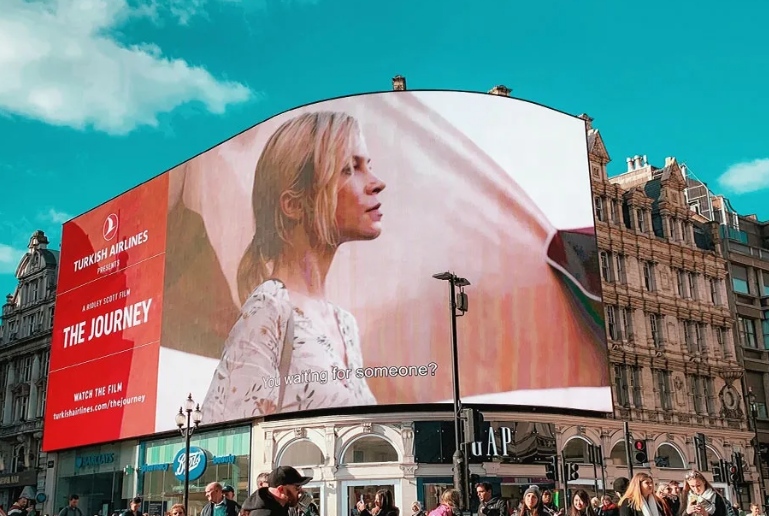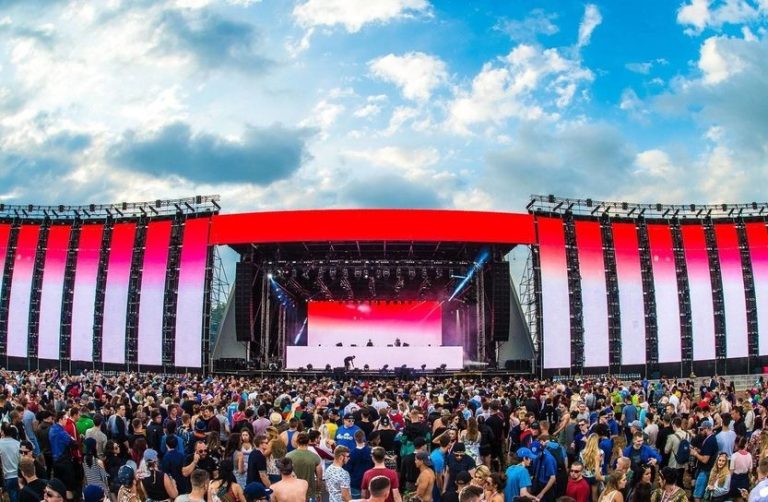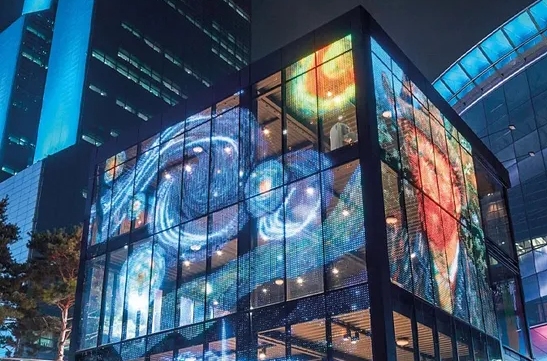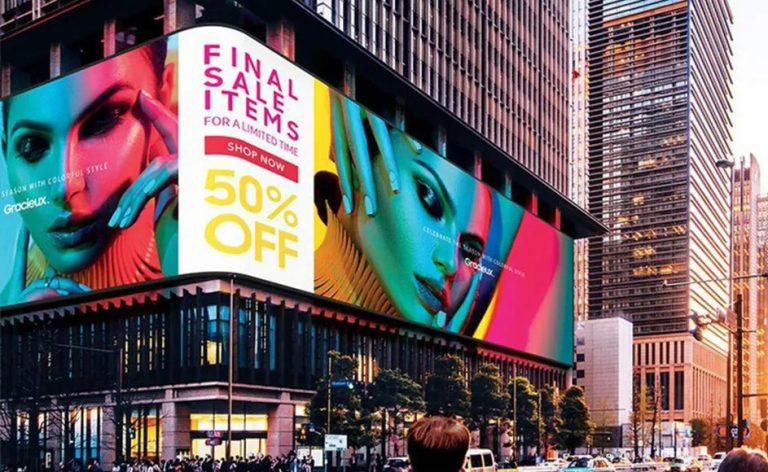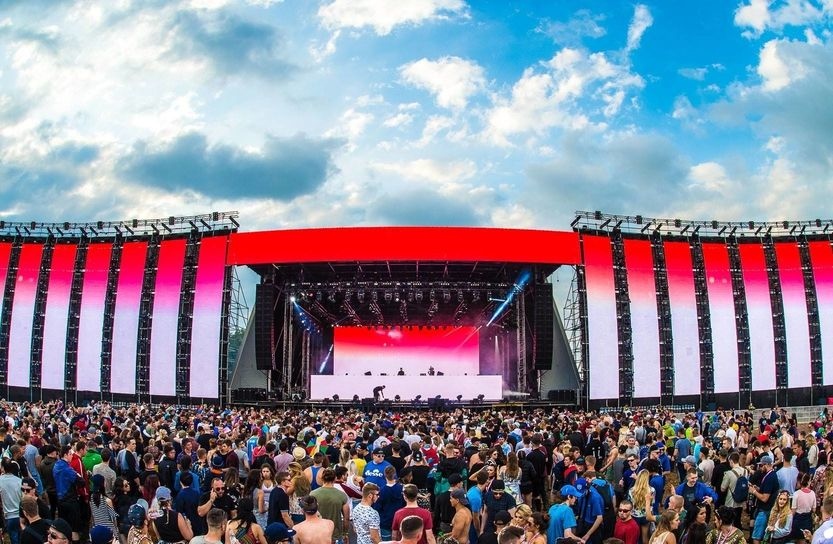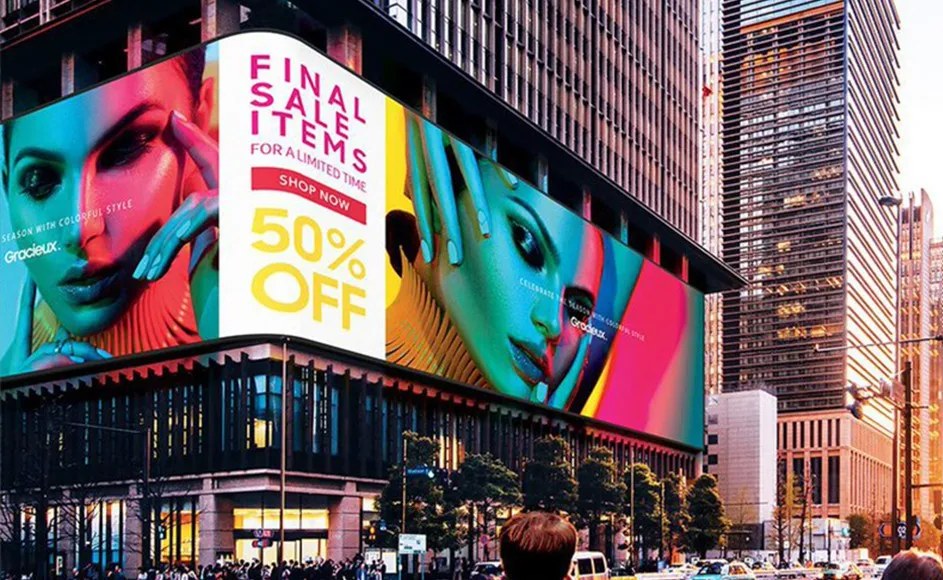
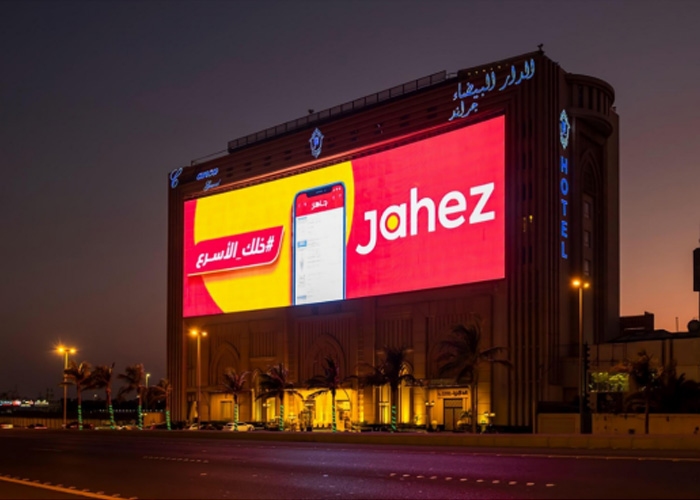
Outdoor advertising never gets a day off. Rain, dust storms, baking summer heat, or freezing winter nights – the screen has to keep running and looking good no matter what the weather throws at it. One single failure means black panels, angry clients, and lost revenue that can run into thousands of dollars a day. That’s why real waterproof outdoor LED screens aren’t just “nice to have.” They’re the only sensible choice when the display lives outside.
This guide walks you through exactly what makes an outdoor screen tough enough for years of hard use, from IP ratings and cabinet materials to brightness numbers and service tricks that actually work in the real world.
The Foundation of Outdoor Resilience: Environmental Protection
Nothing else matters if water or dust gets inside. Everything starts with a proper IP rating.
Understanding the Ingress Protection (IP) Rating
The IP code is two digits. The first tells you how well the cabinet keeps dust out; the second shows how much water it can hold.
- First digit: 6 means completely dust-tight (no sand or road grit ever gets in the electronics).
- Second digit: 5 means it laughs at heavy rain and low-pressure hoses; 6 means it survives high-pressure fire-hose jets from any direction.
For normal city or highway jobs, an IP65 front (and usually an IP54 back) is the bare minimum most clients accept. Coastal projects, desert areas, or anywhere that gets sideways tropical rain usually go straight to a full IP66 front and back.
Physical Design for Structural Durability
A good IP rating on paper is useless if the cabinet twists, leaks at the seams, or cooks itself in the sun.
Real-world features that actually keep screens alive:
- Die-cast aluminum or magnesium alloy cabinets stay straight when the temperature swings from –20 °C at night to +60 °C in direct sun the next afternoon.
- Gaskets and silicone seals all the way around every door and module, not just a bead here and there.
- Many newer cabinets use hidden edge locks instead of rows of visible screws. Fewer screw holes = fewer places for water to sneak in over time.
- Big aluminum heat-sink backs or quiet four-fan setups pull heat away fast. A screen that runs 10–15 °C cooler in summer lasts years longer.
- On really tall buildings, we’ve seen wind loads bend cheap steel cabinets like paper. That’s why serious rooftop jobs now use the same 2200 kg/m² load-rated frames that indoor floor screens use – overkill maybe, but the screen never moves even in 100 km/h gusts.
Technical Specifications for Uninterrupted Operation
Waterproof is only half the story. The picture still has to punch through bright sunlight and stay smooth when cars film it with phone cameras.
Ensuring Visual Clarity in Sunlight
Midday sun in July can hit 100,000 lux. Most decent outdoor screens run 6000–7500 nits in daily use, with top-end models pushing 8000–10,000 nits for a couple of years before they drop back to 7000 nits. That kind of headroom means the colors still pop when the panel is facing south, and the sun is blazing straight onto it.
Performance and Content Management Features
- 3840 Hz refresh (or higher) keeps the video silky smooth. Phone cameras no longer show rolling bars when drivers film the screen at night.
- 14–16 bit grayscale gives proper sunset gradients and skin tones instead of banded, posterized junk.
- Horizontal and vertical viewing angles of 160°/140° mean people on the sidewalk below a tall building still see a bright picture instead of a washed-out mess.
- Built-in 4G/5G or fiber boxes plus a multi-function card let the client change playlists from their office phone.
Maintenance and Safety Design
Most outdoor screens sit 10–40 meters off the ground. Nobody wants to rent a 60-meter crane twice a year.
Features that actually save money long-term:
- Full front-and-rear service on the common 960 × 960 mm cabinets. A tech with a suction tool can swap a module from the front in under four minutes without taking the whole screen off the wall.
- Every module ships with a steel safety rope clipped to the cabinet. Even if someone drops a module during service, it dangles instead of falling on cars below.
- Four corner fans on the back cover spin only when the internal temperature climbs past 55 °C, so they stay quiet and last longer than cheap fans that run 24/7.
King Visionled: Commitment to Outdoor Excellence
King Visionled builds everything under one roof in Shenzhen – R&D, SMD lines, cabinet factory, aging rooms, and test labs. That means shorter lead times and one phone number if anything ever goes wrong.
We cover the full range: Commercial Advertising LED Display, Customized LED Display, Smart City Terminal LED Display, Transparent LED Display, plus rental and small-pitch lines.
Support that actually shows up:
- Free 3D renders and full steelwork CAD drawings before you pay a cent
- Our own installation crews in over 50 countries (USA, France, South Korea, Indonesia, etc.)
- Real 7 × 24-hour after-sales engineers who pick up the phone and fix problems instead of sending auto-reply emails
Embracing Customized Solutions for Unique Outdoor Spaces
Square boxes work for 80 % of jobs, but the other 20 % are where you win awards and premium pricing.
Customized Shapes and Applications for Outdoor Use
Real projects we’ve shipped:
- Cylindrical screens on highway pillars
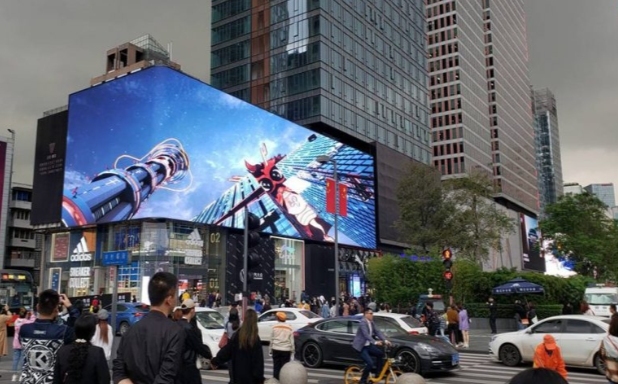
- 90-degree inside and outside corner cabinets for building-wrap jobs
- Soft, flexible modules for wavy façade effects (KR Soft Flexible Led Screen)
- Ring-shaped displays around rooftop mechanical towers so the screen looks like it grew there
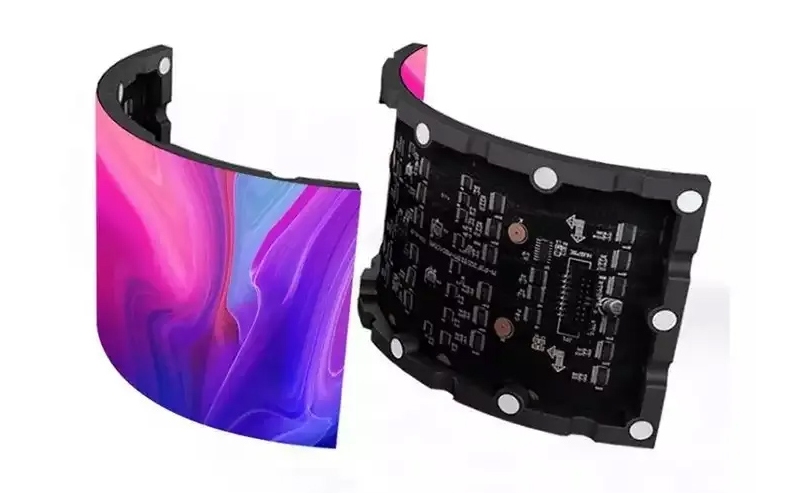
The Value of Customized LED Display Design
We’ve wrapped screens around 90-degree building corners in Seoul, built 6-meter-diameter cylinders for mall atriums, and made spherical hanging balls for casino entrances. Every time the client wanted something that didn’t come in a catalog, we made it happen.
How We Achieve Customized Solutions
- Customer sends rough sketches, photos of the building, measurements, and tells us the shortest viewing distance.
- Our engineers figure out which standard modules we can keep and which special-shaped modules we need to draw and tool.
- If the first idea costs too much or can’t be built, we come back with two or three cheaper ways that still look great.
We’ve done curved corner screens that use only four different module shapes instead of twenty custom ones – big savings and faster delivery.
FAQ
Q: What is the significance of the IP rating for outdoor screens?
A: It tells you exactly how much dust and water the screen can keep out. Anything less than IP65 front simply won’t survive real outdoor life for long; IP66 is the safe choice for rough locations.
Q: How does brightness affect visibility in sunlight?
A: 6000–7000 nits is the practical sweet spot for most jobs. Anything lower and the picture washes out by noon; anything higher costs a lot more and usually isn’t needed.
Q: What kind of materials are used for durable outdoor cabinets?
A: Die-cast aluminum and magnesium alloy are the two favorites. They don’t rust, they pull heat away fast, and they stay flat for a decade.
Q: Can the shape of an outdoor display be customized?
A: Absolutely. Cylinders, spheres, 90-degree corners, wavy walls – we’ve built them all and can build yours too.