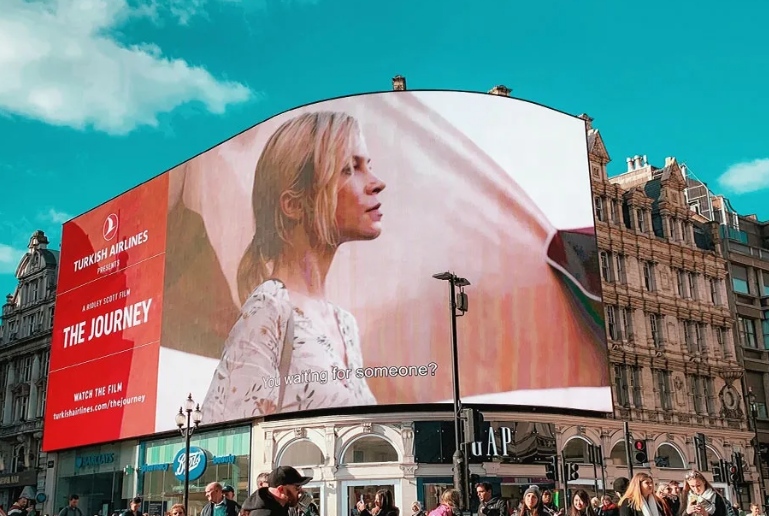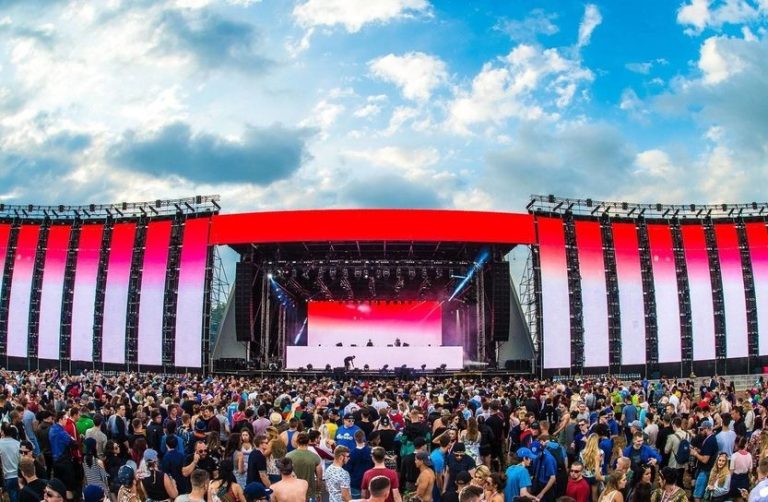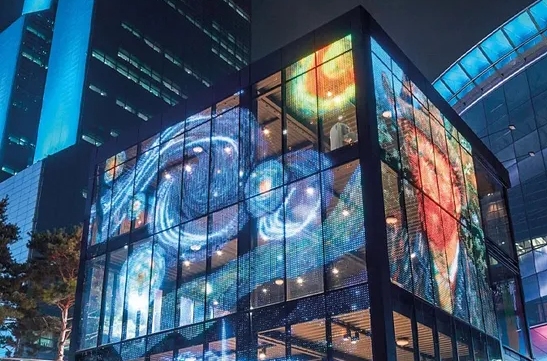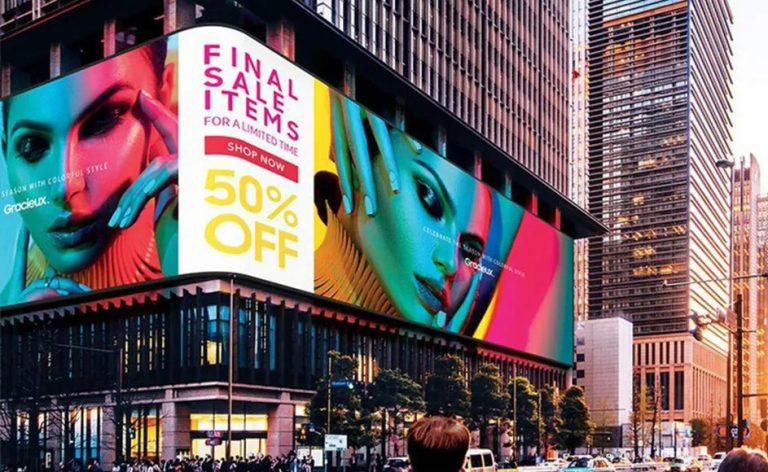
In today’s crowded advertising world, the brightness of an LED screen often decides whether people notice it or walk right past. When a display looks dull or washed out, the message gets lost fast, especially on big commercial billboards. At King Visionled, after years of building all kinds of LED products, we’ve seen that dim screens usually come from a mix of hardware wear, power problems, and outside conditions working together.
This article breaks down the real reasons behind low brightness in plain terms, so anyone running a screen can spot the trouble and fix it quickly.
The Invisible Threat: Hardware Degradation and Electrical Failure
Most long-term brightness drops start inside the parts themselves or in the power feeding them.
Inherent LED Luminous Decay (Light Attenuation)
Every LED lamp bead slowly loses strength as it runs. That’s normal wear—no way around it. Manufacturers rate the life of a bead by how many hours it takes to fall to half its original light output.
A few things make this happen faster:
- Running at full brightness hour after hour wears the beads out quickly.
- Heat that can’t escape builds up inside the cabinet and cooks the chips, speeding up the fade.
- Cheap chips or poor packaging materials give up light much sooner than good ones.
You’ll see the whole screen get evenly dimmer over months or years. That’s classic light decay at work.
Electrical System Underperformance
Brightness depends directly on the current reaching each bead. If power falls short anywhere in the chain, the picture suffers right away.
- Weak or old power supplies simply can’t push enough watts to the modules. Try showing a full white image—if the screen looks dark and maybe flickers a little, power is usually the culprit.
- Bad driver ICs or broken traces on the boards can’t deliver the right current. Sometimes the whole screen dims; other times, just one cabinet or a single column goes dark while the rest stays normal.
The Critical Role of Signal and Power Integrity
On large screens, getting steady voltage and clean signals to every corner is a real challenge.
- Voltage Drop (Pressure Drop): Long cable runs create resistance. Modules at the far end see lower voltage than the ones near the power injection point, so they run dimmer. We fix this on big walls by adding extra power feeds every few meters instead of running one long line.
- Signal Attenuation: Control signals also weaken over distance. Weak signals mean the receiving cards can’t set the brightness properly.
- Control System Failure: A tired sending card or receiving card can send out low-level signals that never let the screen reach full output.
Operational and Environmental Factors
Sometimes the screen itself is fine; the settings or surroundings just make it look dim.
User Configuration and Software Errors
| Issue | What Happens | Quick Fix |
| Brightness/Contrast Set Too Low | Someone turned the knob down in software or on the control card. | Open the control program or card menu and raise the brightness slider. |
| Energy-Saving Mode/Automatic Dimming | The light sensor thinks it’s dark because it’s covered or pointed wrong, so the screen stays dim even in sunlight. | Turn auto-brightness off or move the sensor to a spot that sees real daylight. |
| Wrong Configuration Files | Old or mismatched config files lock the screen below its real capability. | Load the correct file that matches your exact screen model and size. |
Managing External Light and Heat
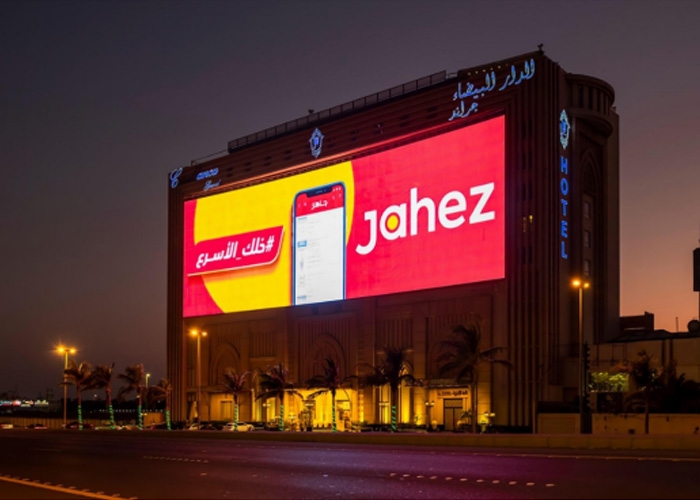
- Too much sunlight hitting the face washes out the picture. Even a 7000-nit screen can look weak under direct noon sun if the contrast ratio drops. That’s why outdoor advertising screens on building tops or roadside poles need at least 6000 cd/m², and King Visionled outdoor models often hit 7000 nits, so the image still pops in bright conditions.
- Heat buildup kills brightness two ways: right away, it cuts efficiency, and over time, it speeds up light decay. Cabinets without good airflow or broken fans get hot fast and stay dim.
- Dust, pollen, and city grime stick to the surface and block light. A thick layer can knock brightness down 20-30% and shift colors. A simple wash with water and mild soap once or twice a year keeps the output strong.
King Visionled’s Approach to Optimized Brightness and Customized Solutions
We build everything from standard outdoor billboards to tricky shapes like Spherical, Cylindrical, and Magic Cube displays, and brightness is always the first thing we protect.
Designing for Durability
Our outdoor fixed screens come ready for tough conditions:
- High Brightness and Performance: Models like the KR Outdoor Fixed LED Display DOOH Installation Steel Cabinet Billboard reach up to 7000 nits with refresh rates of 3840Hz, so the picture stays sharp and bright for years with very slow attenuation.
- Thermal Management: The KZ Outdoor Advertising LED Screen uses aluminum module bases that pull heat away fast. Many cabinets have quick-open back covers and strong wing fans that keep internal temperatures low even in summer heat.
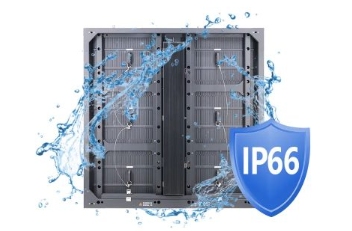
- IP Protection: KR series carries IP65 front protection; the KZ line steps up to full IP66, so dust and heavy rain never reach the lamps and dim the output.
Comprehensive Customized Engineering
Big projects often run into voltage drop or heat problems that standard plans miss. That’s why we handle every job differently.
- Project Assessment: Customers send us the shape, exact size, pixel pitch, and mounting details. We study the site drawings to spot potential power or heat trouble before anything is built.
- Structural and Electrical Planning: We supply free 2D CAD DESIGN drawings that show exactly where to run power cables and where to add extra feeds so no part of the screen ever sees low voltage.
- Visualization and Realization: Free 3D SIMULATION lets everyone see the finished look. For unusual shapes like the KB Ball 360°Model, we test-fit everything in the factory first. If a client’s first idea turns out too costly or risky, we suggest proven alternatives that still deliver the same visual punch at a realistic price.
By planning power and cooling properly from day one and using parts built to last, King Visionled screens stay bright season after season.
FAQ
Q: What is the most common irreversible cause of brightness loss?
A: LED lamp bead luminous decay (light attenuation) is the fundamental, irreversible process where brightness gradually decreases as the chips age and are used.
Q: Can poor heat dissipation affect brightness immediately?
A: Yes, poor heat dissipation causes the internal temperature to rise, which immediately reduces the working efficiency of the LED lamp beads. It also accelerates long-term light decay.
Q: How does King Visionled help address customized brightness requirements?
A: We provide customized solutions and offer free 2D CAD DESIGN for power and signal cable connections, which helps plan multi-point power supplies to counteract voltage drop issues common in large installations.
Q: How does King Visionled ensure long-term brightness stability?**
A: By combining high-quality LED chips, robust power systems, efficient heat dissipation, and IP65/IP66 protection, King Visionled screens maintain high brightness with slow attenuation over time.