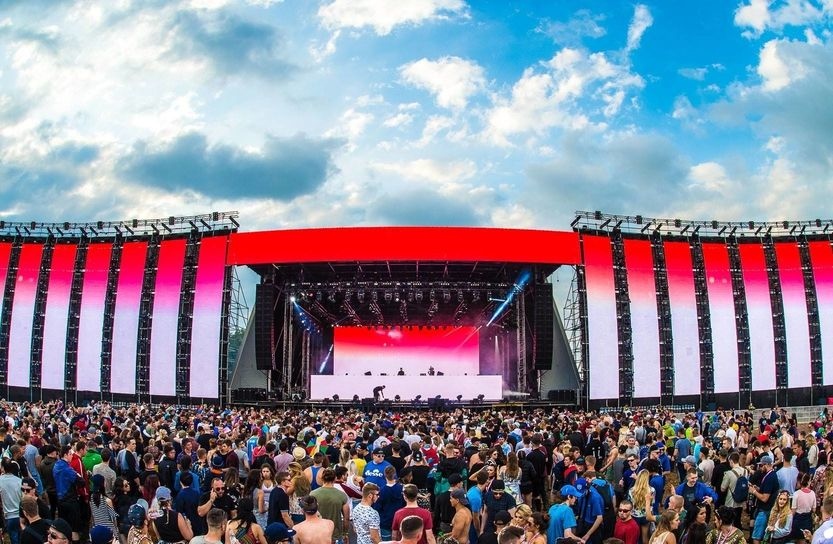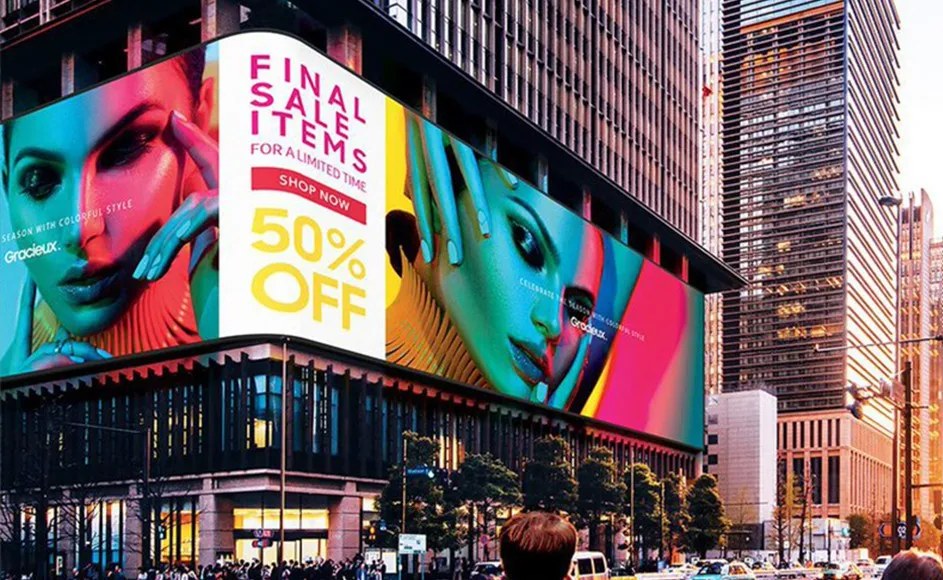
In the world of visual screens, the difference between a basic panel and one that really draws notice often hinges on one main spec: pixel pitch. No matter if you aim for an indoor meeting area or a huge outdoor ad board, grasping how pixel pitch shapes resolution, light level, and image sharpness sets the base for a solid project.
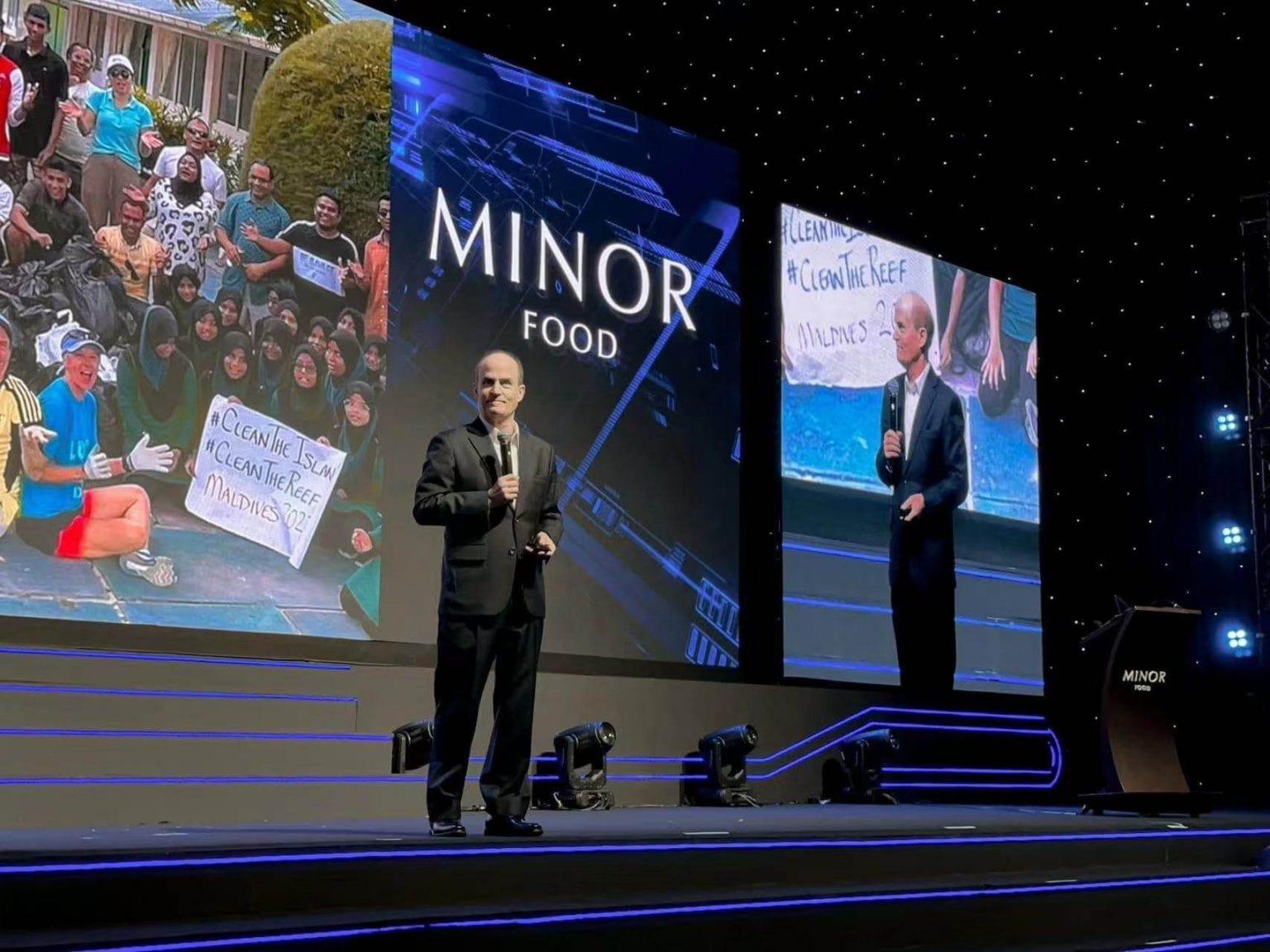
As a top wholesale LED display manufacturer, King Visionled sees that picking the correct pitch is a smart business move. It affects your ROI and brand visibility.
The Science of Pixel Pitch and Visual Impact
Pixel pitch means the space—measured in millimeters—from the middle of one LED group to the middle of the next. Though it seems like a minor point, this measure builds the core of image quality. It stands as a vital element for B2B procurement specialists to think about.
Defining Resolution and Density
Pixel pitch decides how many pixels are packed into each square meter of the screen. This directly sways the pixel density.
- Smaller Pitch: Leads to more pixels per spot, which brings sharper resolution. Fine details and clear text show up well, fitting these for UHD video wall solutions where people view from nearby.
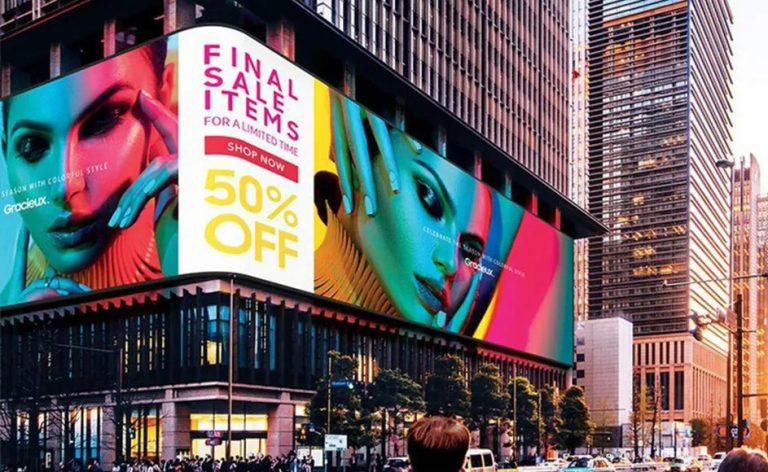
- Larger Pitch: Results in fewer pixels per area. Such setups work for big screens seen from far off, as the eye misses single pixels past a set distance. They often prove to be the cost-effective choice for large digital billboards.
The Role of Professional Manufacturing
Choosing a fitting pitch needs deep field know-how to keep things reliable over time. King Visionled has more than 15 years of experience as a professional LED manufacturer. The firm stresses research, OEM/ODM services, and modern production to make each pitch work right for your exact commercial application.
How Pixel Pitch Affects Clarity and Resolution
The sharpness of the shown content ties straight to the selected pitch and the usual distance people watch from. When the pitch gets too broad for that distance, the image turns blocky or jagged. This can weaken the visual impact of your advertising.
The Golden Rule of Viewing Distance
- Optimal Clarity: A useful tip for project planning says each millimeter of pixel pitch roughly equals one meter of top viewing distance. So, a P1.5 screen fits well from around 1.5 meters.
- UHD Requirements: In meeting rooms, control spots, or like close-view places, small pixel pitch LED displays from 0.9 mm to 1.56 mm provide the ultra-high-definition detail needed for pro talks.
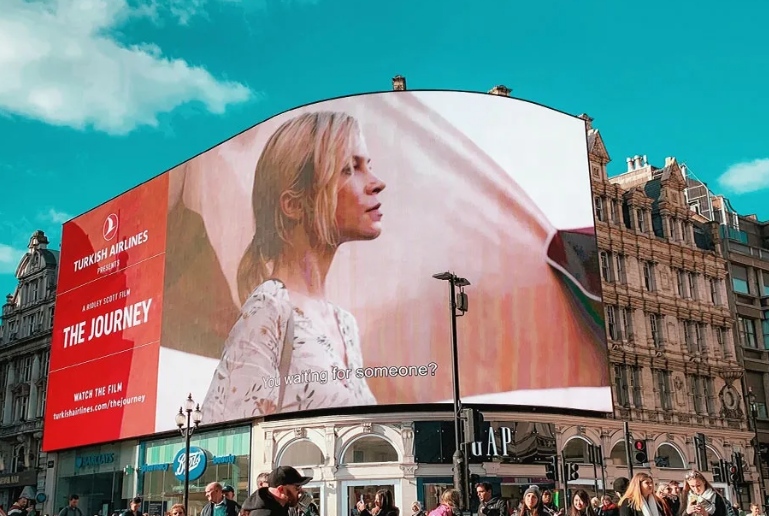
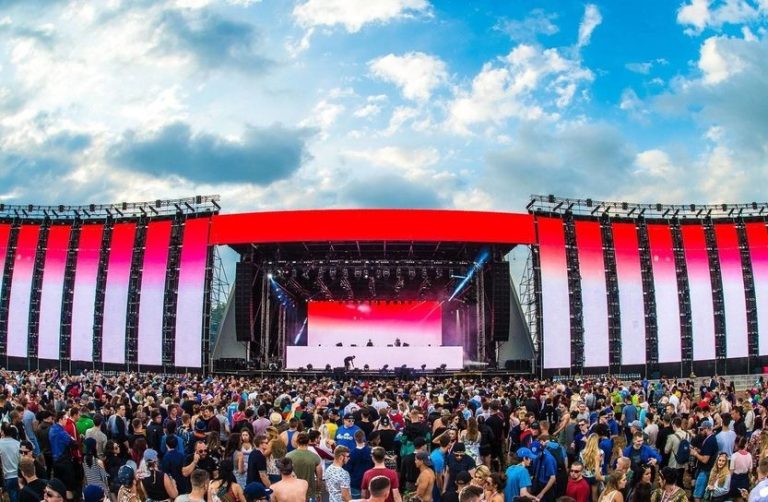
- Outdoor Scenarios: Building sides and stadium areas commonly take pitches between P8 and P16, since watchers usually stand 10 to 100 meters away. Our outdoor advertising solutions are built to hold clarity at those ranges.
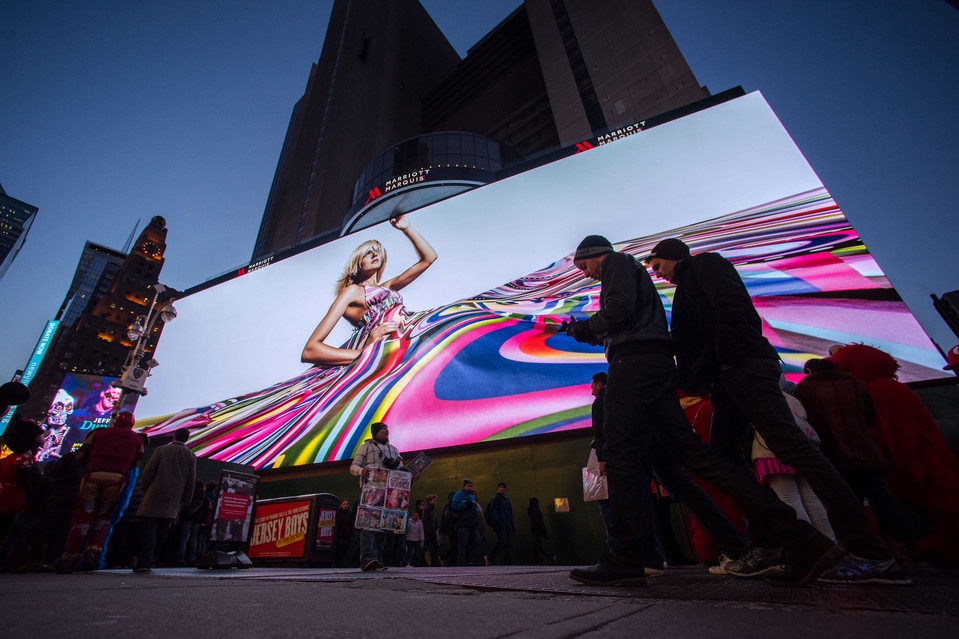
Enhancing Visual Smoothness
Resolution by itself does not create a high-end display experience. Good screens depend on extra traits to hold images steady:
- High Refresh Rates (3840 Hz): These stop visible lines and shakes, which matters for B2B clients needing steady performance for broadcast events or pro shoots.
- 16-Bit Gray Scale: This supports 68.7 billion colors, allowing even color shifts and real-like images, making your brand content appear top-notch and skilled.
The Relationship Between Pitch and Brightness
Many think a tighter pitch always means a better screen. But in truth, pixel pitch also shapes top brightness and power draw—factors that touch operational costs.
Brightness Requirements by Environment
- Indoor Displays: These typically call for 600 to 1200 nits. Since viewers stay close, too much light can strain eyes. Smaller pitches focus on detail over extreme output, suiting them for retail and corporate interiors.
- Outdoor Displays: They need to beat strong sun, so they require 5500 to 7000 nits. Bigger pitches allow larger LED bulbs, which create high light more easily, offering a high-brightness solution for DOOH (Digital Out-of-Home) ads.
Contrast and Color Uniformity
Firm contrast stays key for commercial-grade displays. Pro options from King Visionled include:
- 8000:1 Contrast Ratio: This makes deep blacks next to bright whites, adding more visual punch to content.
- Point-by-Point Correction: Each pixel gets its own tweak, so light and color remain even from one side to the other, delivering factory-calibrated excellence.
Why Customized Pixel Pitch is Essential for Your Needs
No two setups match in space, light, or viewing setup. A one-size-fits-all way rarely gives the best outcomes, and that is why King Visionled provides bespoke LED solutions shaped to your job.
The Customized Design Process
King Visionled sticks to a clear OEM/ODM workflow when building a display that matches the project:
- Technical Analysis: The client gives a drawing with shapes and sizes. Our engineers pick the best pixel pitch and mounting way to boost your advertising ROI.
- Feasibility Study: The team figures out the needed modules and PCB types. When a plan seems tough, we suggest cost-effective alternatives that maintain high quality.
Applying Pitch to Creative Shapes
Unique shapes call for careful pitch choice to hold the image smooth and keep a high-tech aesthetic:
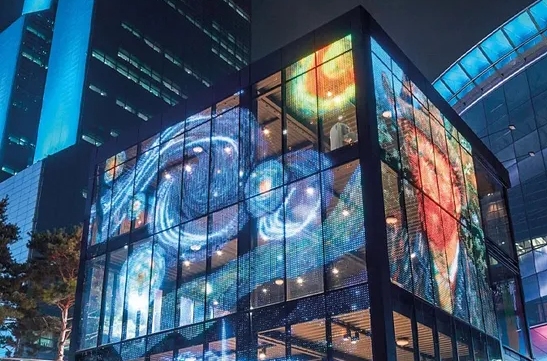
- Magic Cubes: These usually take pitches like P2.5 or P3 to give clear sights from every angle in malls or airport halls.
- Spherical and Cylindrical Displays: Trapezoid PCBs and special builds become needed here to link parts evenly and hold steady quality over bent spots.
- Flexible Screens: Soft modules that curve into “S” shapes or full rounds need a pitch that stays firm even when flexed, providing a versatile solution for creative stages.

Integrating High-Performance Products for Specific Goals
Once you understand pixel pitch basics, the next part is selecting industry-leading products made to do well in those settings.
Indoor Excellence: UHD and Small Pitch
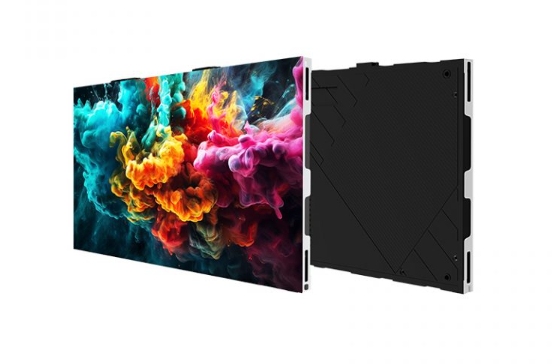
The KU HD and KI HD series stand as our main UHD video wall choices for tough indoor uses:
- Pixel Pitch: Offered from 0.9 mm to 1.56 mm.
- Design: Cabinets go as slim as 31 mm and support full front maintenance, which cuts work costs and space needs.
Outdoor Power: High Brightness and Durability
The KB Plus and KZ series are designed for the demands of outdoor advertising:
- Performance: They hit up to 7000 nits and have IP65/IP66 waterproof protection, keeping things stable in bad weather.
- Safety: Safety harnesses fix each module against drops, hitting strict rules for public areas.
Rental and Events: Versatility and Speed
The KC Rental and KF Curved series aid quick builds for event planners and rental firms:
- Features: Light aluminum cabinets (about 7 kg) and ±5° curved fast locks allow quick setup and takedown.
- Visuals: A 3840 Hz refresh rate provides a professional broadcast-quality image for live shows.
About King Visionled
King Visionled is a modern high-tech firm devoted to research, making, and fitting innovative LED solutions. We run a global service network with wins in various countries, including the USA, France, and Indonesia. Driven by integrity and innovation, we give full OEM and ODM support. Each job—from a 400-square-meter mesh setup in Indonesia to a UHD conference screen in the United States—meets world standards like CE, RoHS, and FCC.
FAQ
Q: How do I calculate the best pixel pitch for my room?
A: Use the basic guide of 1 mm pitch per meter of viewing distance. If people stand 2 meters away, go for P2 or tighter. At 10 meters, P10 often works for a cost-effective advertising display.
Q: Can I use an indoor small-pitch screen outdoors?
A: No. Indoor types miss enough light to fight daylight and lack the IP65/IP66 protection for weather. Always check with your LED supplier for spot-specific models.
Q: Does pixel pitch affect the weight of the LED wall?
A: Yes, mostly. Tighter pitches cram more LEDs and parts per square meter, raising module and cabinet weight. Our die-casting aluminum cabinets are made to balance this weight while staying tough.
Q: Is maintenance different for smaller pixel pitches?
A: Top small-pitch screens, like our KI series, often have magnetic modules that permit full front access. This method proves key for wall mounts where back reach is hard, cutting long-term maintenance costs a lot.