The rise of big, bright LED screens has changed everything from shopping malls to stadiums and downtown streets. Yet picking the right one isn’t as simple as just buying the biggest or brightest panel you can find. The single number that decides whether your screen looks razor-sharp or blocky and cheap is pixel pitch. Get this one detail right, and the rest falls into place.
The Technical Foundation: Understanding Pixel Pitch
At its heart, pixel pitch is nothing more than the gap—measured in millimeters—from the middle of one pixel to the middle of the next.
- A “tight pitch” (small number) means the LEDs sit very close together. You get far more detail, perfect for anyone standing just a few feet away.
- A “wider pitch” (bigger number) spaces the LEDs farther apart. It costs less per square meter and works beautifully when people watch from farther back.
The smaller the number, the sharper the picture looks up close. For instance, the same 4K resolution that needs a huge wall with P10 spacing fits neatly into a much smaller area when you move to something like the COB 4K LED Model.
The real trick is matching that pitch to how close people actually stand.
| Environment Type | Typical Viewing Distance | Recommended Pixel Pitch | What You Actually See |
| Indoor | A few feet to 20-30 ft | P1.2 – P2.5 | Smooth, almost print-like detail |
| Outdoor | 30 ft to hundreds of feet | P6 – P10 | Clean, bright image that reads clearly from the street |
Stand too close to a large-pitch outdoor screen and you’ll spot every dot. Choose an ultra-fine pitch for a billboard nobody gets near, and you’ve just thrown money away.
Indoor Environments: Precision and Clarity
Inside, people walk right up to the wall—sometimes only an arm’s length away. That closeness demands tight spacing between pixels.
Why indoor screens need tight spacing
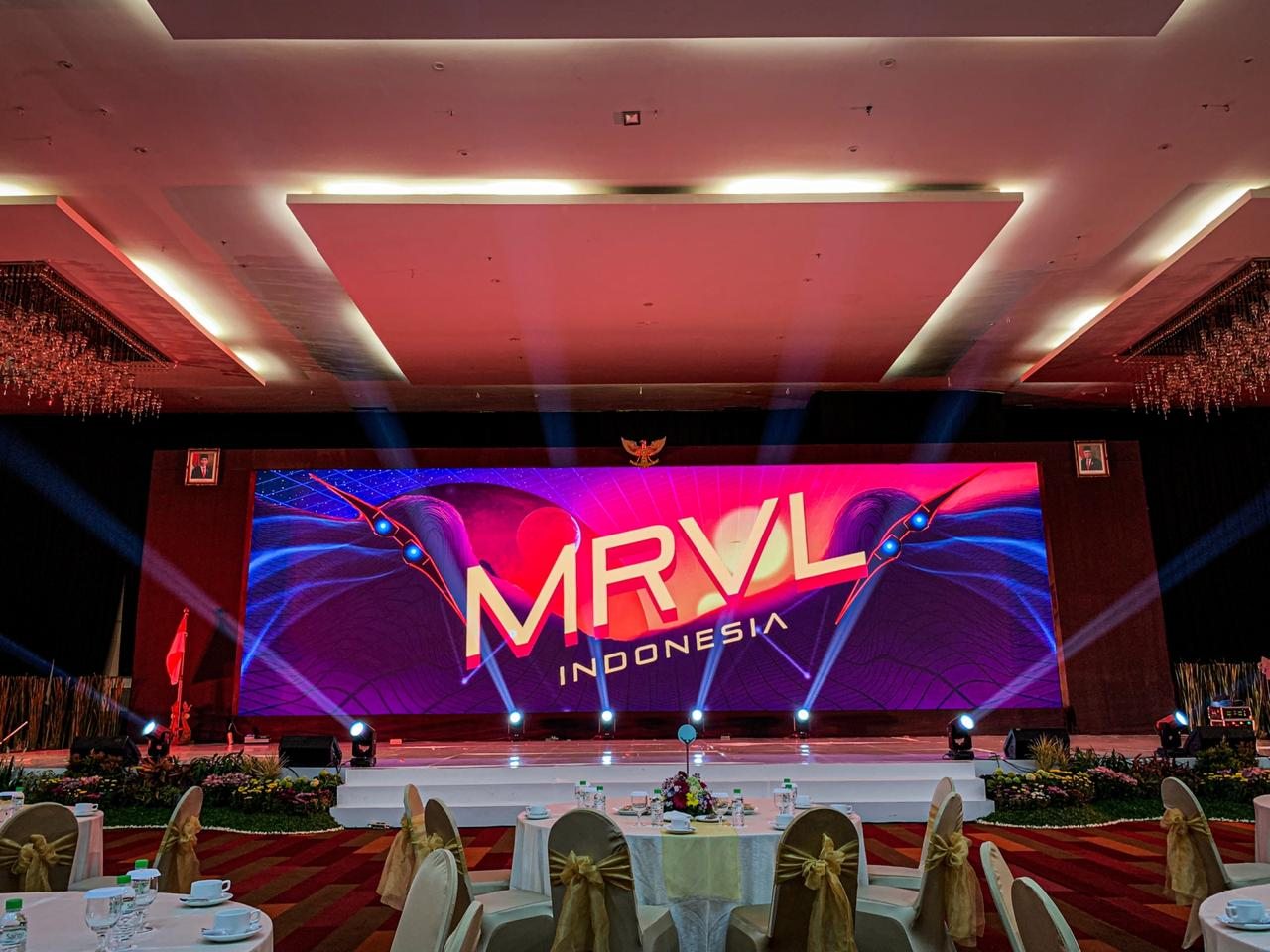
Modern indoor projects—from boardrooms in Jakarta to fashion stores in Paris—run 4K video, scrolling text, and live camera feeds. To keep letters crisp and faces natural, most jobs now call for the UHD Small Pixel Pitch LED Display family. These panels also run at lower brightness than outdoor units, which keeps glare down and saves energy in normal room light.
Another practical point: many indoor walls go into places where technicians can’t reach the back. Front-service designs, like those on the KV Indoor Fixed LED Screen, let a tech pop a module off with a suction tool in minutes.
Where you see them every day
Walk into a high-end hotel lobby in Indonesia and you’ll probably spot a KC LED Screen running welcome messages and event schedules. Step into a busy airport shop and the promotions flashing above the shelves are often KU HD LED Model or KI HD LED Model panels. Nightclubs, banquet halls, and university lecture theaters all use the same tight-pitch technology because guests stand close enough to reach out and touch the wall.
Outdoor Environments: Durability and Visibility
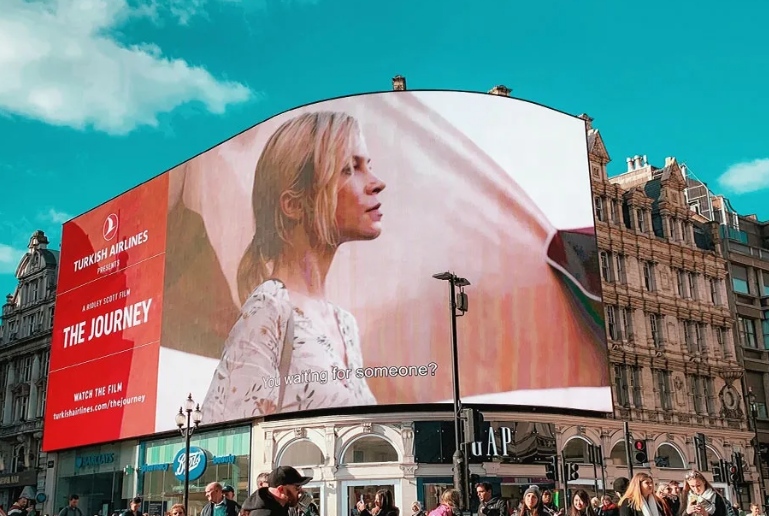
Outside, the rules flip. Sunlight is brutal, rain happens, and most viewers are dozens or hundreds of feet away.
The tough demands outdoors
An outdoor screen has to push 6,000–10,000 nits of brightness just to stay readable at noon. It also has to shrug off dust, wind, and temperature swings from freezing nights to blazing afternoons. Because these walls stay up for ten years or longer, the Commercial Advertising LED Display series is built like tanks—thick conformal coating on the boards, sealed cabinets, heavy steel frames.
Since viewers rarely get closer than the width of a city street, P6 to P10 spacing looks perfectly smooth from the sidewalk.
Real-world outdoor examples
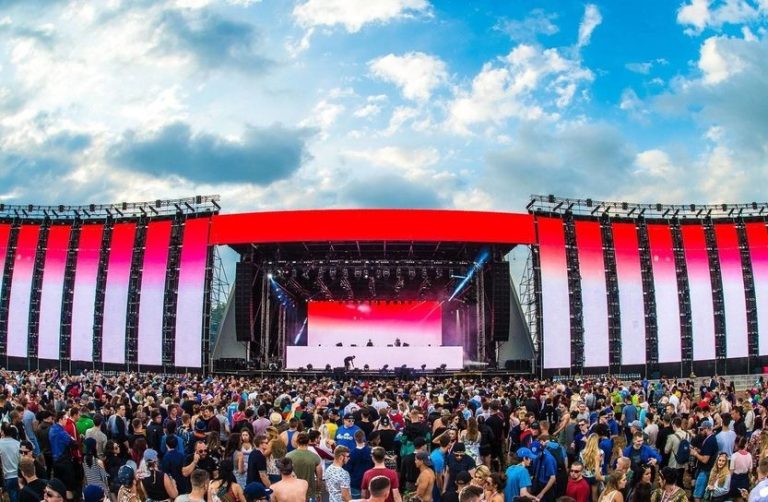
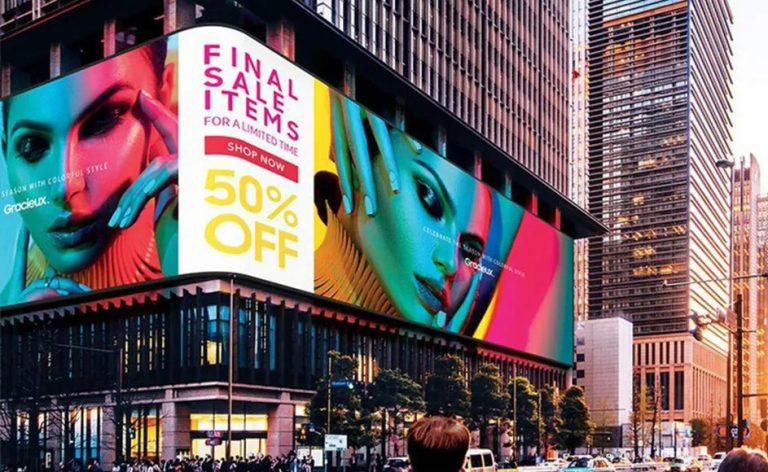
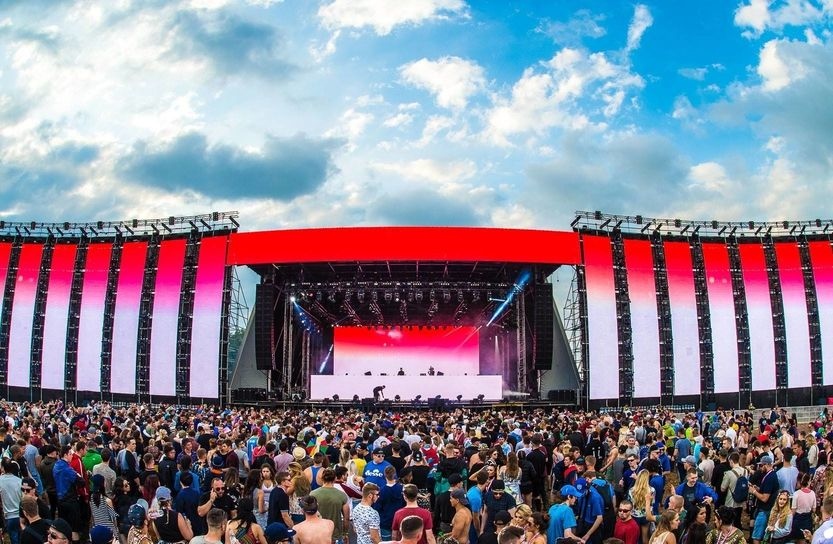
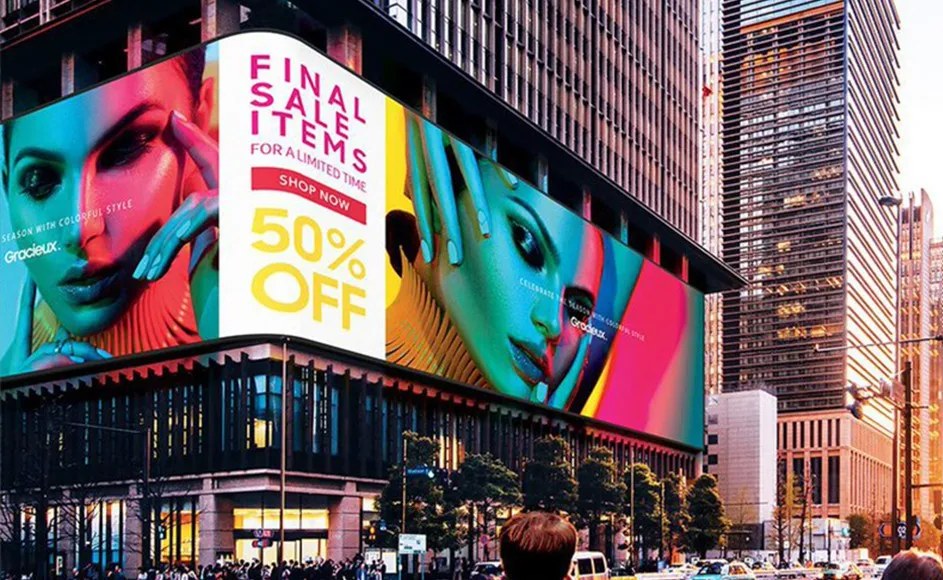
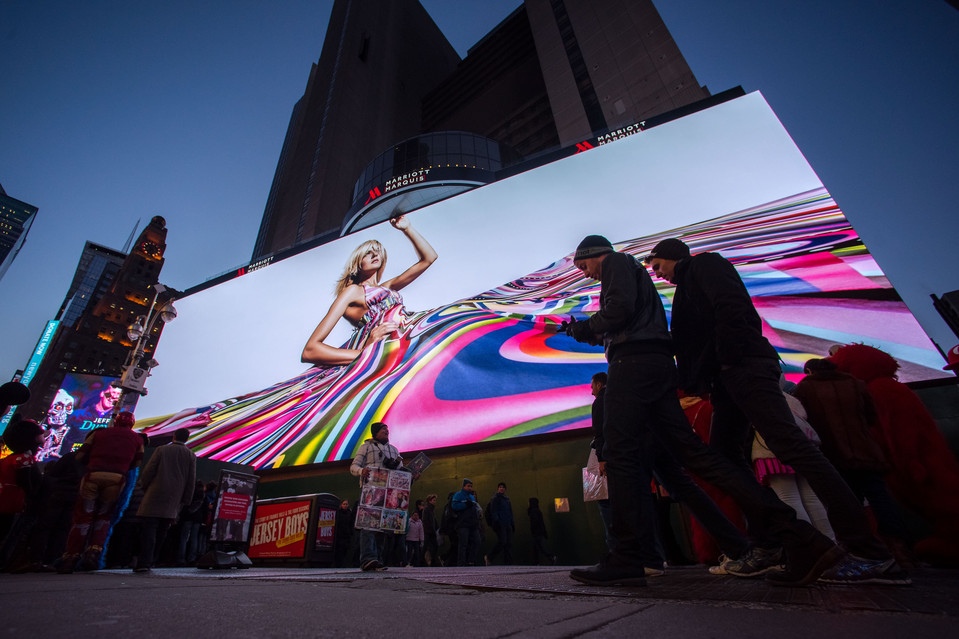
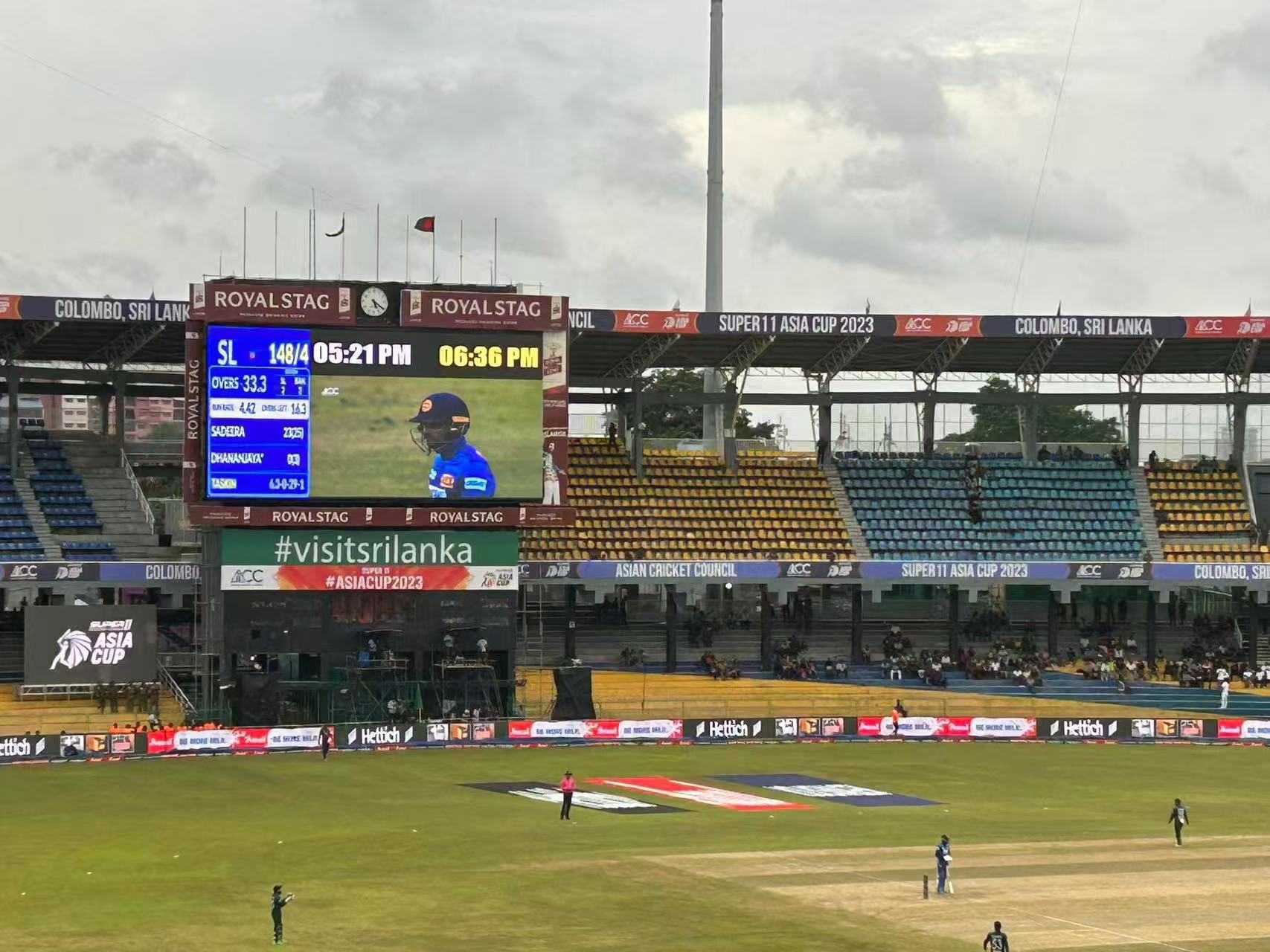
Look up at almost any skyscraper in Shanghai or New York and you’ll see King Visionled panels running giant ads. Banks, car dealerships, and city halls choose the same KR 3D Model when they want the wall to pop out from the building and grab attention. Sports stadiums in the United States often run fixed P10 walls for sponsorship messages, while outdoor cinemas and open-air stages use the rugged KR I Model or KR Z Model because they stay bright even under floodlights.
Going Beyond Standard Shapes: The Power of Customized Solutions
Sometimes a plain rectangle simply won’t do. Architects now want screens that wrap columns, form spheres, or float like transparent glass.
When ordinary panels aren’t enough
A creative agency might need a 360-degree column in a mall atrium. A museum could ask for a perfect sphere hanging in mid-air. King Visionled builds exactly those shapes—Magic Cube, Spherical, Cylindrical, Ring Shape, and completely bespoke forms. The KY Ball 360°Model, for example, has appeared in shopping centers across Asia, giving shoppers video from every angle. The KZ Outdoor Cylinder Model wraps around outdoor pillars without a single visible seam.
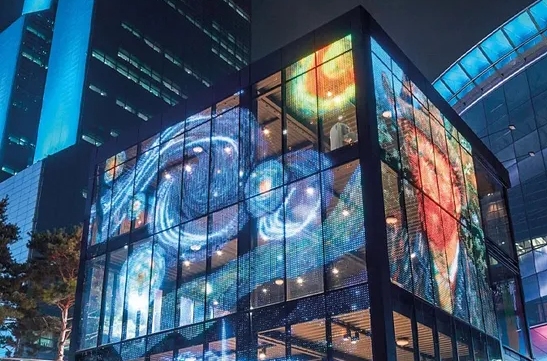
For storefronts that want light to pour in during the day, the KT Transparent Model series lets passers-by look straight through the glass while ads play.
How the custom process actually works
Before a single panel ships, customers get a free 3D simulation so they can see the finished wall in their space. The engineering team then supplies full 2D CAD drawings for steelwork, power runs, and data cables. Many projects even include a complete trial assembly at the factory—everything is bolted together, powered up, and tested so the site crew knows it will fit perfectly.
When the job is in another country, King Visionled can send experienced crews who have already installed walls in more than 50 countries, from the United States to France and South Korea. For clients who want their own control software, the company hands over SDK packages and full documentation.
Partnering with King Visionled
King Visionled has spent years focusing only on LED screens. The same building houses R&D labs, SMT lines, assembly floors, and the engineering department. That vertical setup means quick changes when a customer needs something slightly different.
The company’s promise is straightforward: listen carefully, quote honestly, build solidly, and stand behind every panel.
Conclusion
It all comes back to viewing distance. Indoors, where people stand close, tight pixel pitch like the UHD Small Pixel Pitch LED Display line delivers the detail everyone expects today. Outdoors, where distance and weather rule, the brighter, tougher Commercial Advertising LED Display series with P6–P10 spacing gets the message across without wasting a dollar.
Match the pitch to the spot where people will actually look, add customization when the project demands something special, and the screen will look great for years.
FAQ
Q: What is the main difference in technical requirements between indoor and outdoor LED screens?
A: Indoor screens focus on small pixel pitch for sharp detail up close; outdoor screens focus on raw brightness and weatherproof construction for visibility far away.
Q: What specialized services does King Visionled offer for customized projects?
A: We provide free 3D simulations, full 2D CAD structure drawings, factory trial assembly, and send installation teams to more than 50 countries.
Q: Which product categories are designed for very high-resolution displays?
A: The UHD Small Pixel Pitch LED Display series, including the KU HD LED Model and COB 4K LED Model.
Q: Can King Visionled create screens in unique shapes?
A: Yes—Magic Cube, Spherical, Cylindrical, Ring Shape, and fully custom designs are all part of their Customized LED Display lineup.