
When picking a good display setup for fancy business areas, meeting rooms, or monitoring centers, the packaging method matters a lot. King Visionled works as a leading COB LED display manufacturer and SMD LED display supplier. The company shares useful details to help buyers around the world make the right call. This LED screen buying guide looks closely at a professional LED display technology comparison so you can weigh the starting cost against how well it holds up over time.
Technical Differences: Surface Mount vs. Direct Chip Encapsulation
Knowing the basic build of different LED display performance measures starts with how the lights attach to the board.
Core Packaging Architecture and Physical Properties
The main build difference between these two affects toughness, heat release, and how even the picture looks. They differ in these ways:
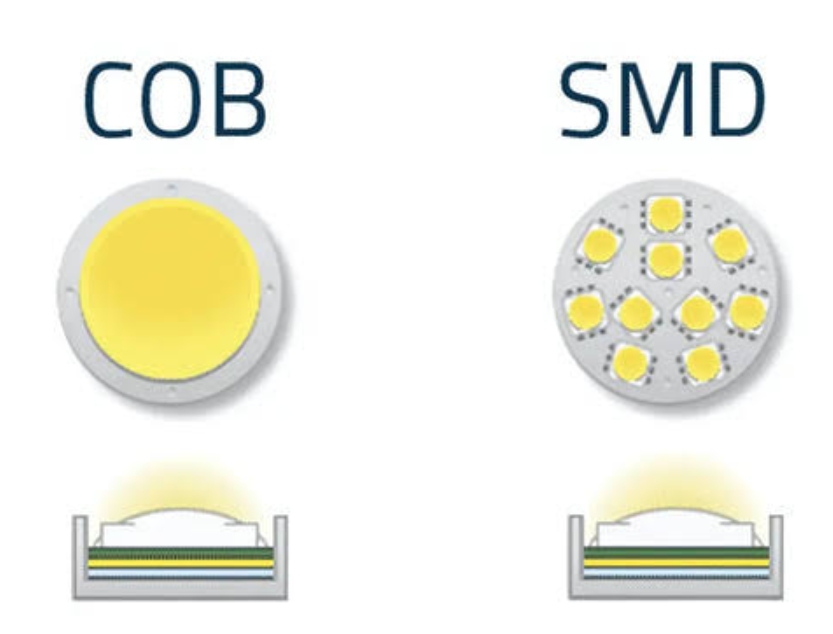
- SMD (Surface Mount Device) Architecture: Separate LED pieces get packaged on their own, then attached to the board surface. This setup appears in many standard fine-pitch LED display models, but the connection points sit out in the open and can get damaged easily.
- COB (Chip-on-Board) Architecture: LED pieces mount straight on the base and get covered with resin in one smooth layer. This skips old-style pins and wire connections.
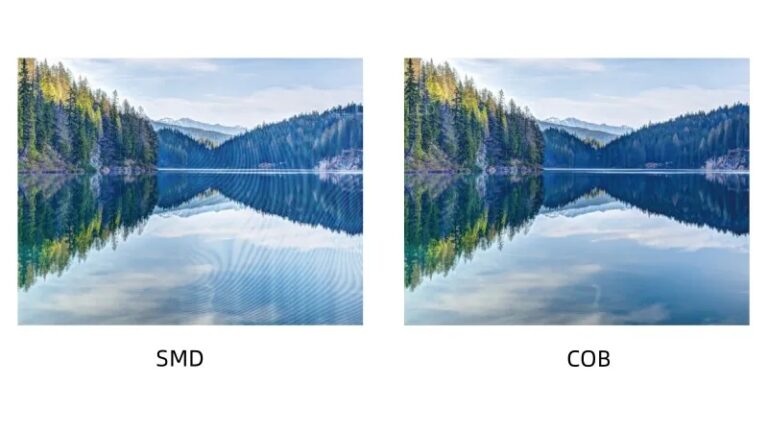
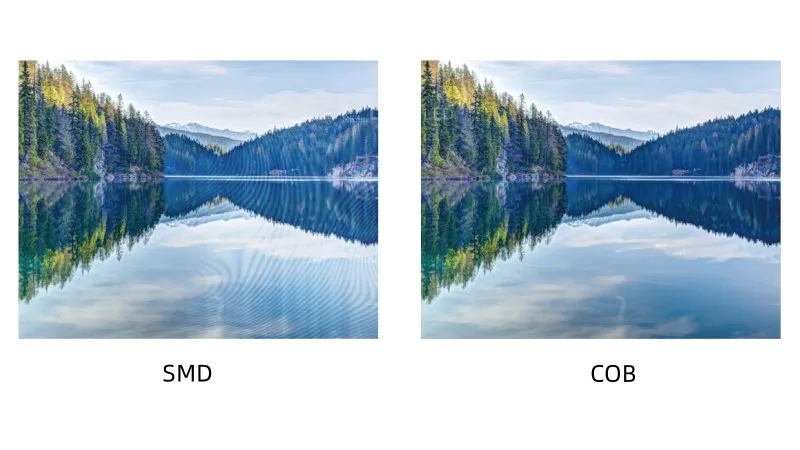
- Substrate Integration: COB LED displayparts give a flatter face overall. They avoid the lines between modules that show up in cheaper versions and create one continuous view.
Thermal Dissipation and Circuit Reliability
Dealing with heat decides how long the screen lasts and how steady it runs in a custom LED video wall or business display.
- Direct Heat Conduction: COB LED display methods move heat straight from the light to the board base. This cuts resistance and stops hot spots in certain areas.
- SMD Thermal Limitations: SMD depends on connection pads and small air spaces that can hold heat in and wear out the lights faster when they run bright for long periods.
- Circuit Protection: Covering the whole set of parts with resin in COB LED display setups stops small cracks from temperature swings between day and night.
Durability & Failure Rate Analysis
For business buyers and install crews, breaks during setup and dead lights cause real headaches. Checking how well they handle rough treatment counts.
Physical Protection and Environmental Resistance
Places from busy shops to dusty control areas need strong shields against hits and outside conditions.
- Impact Resistance: COB LED display faces have a solid resin layer that stands up to bumps, static, and water without extra covers that break easily.
- SMD Fragility: Regular SMD LED display modules have pins that stick out and can snap during moving, shipping, or putting them in place.
- Cleaning and Maintenance: COB LED display screens wipe clean with a wet cloth. This makes regular cleaning simpler in public business spots.
Failure Rates and Dead Pixel Mitigation
How reliable it stays over years shows the true value from any LED display solution provider.
- Reduced Dead Pixel Ratios: COB LED display methods cut down possible weak connection spots by more than 90 percent for very few dead lights.
- Point-by-Point Calibration: King Visionled uses smart adjustment steps on both COB vs SMD LED display choices and special models like the COB 4K LED Model and KU HD LED Modelto keep colors matching across the screen.
- Stress-Test Resilience: COB LED display parts go through strong shake and heat change tests. They hold steady in moving command trucks or busy transit spots.
Price Comparison: Initial Capital Investment vs. 5-Year TCO
Money limits often decide what gets bought, but looking at total costs over time gives the full story for bigger jobs.
Upfront Capital Expenditures (CapEx)
Starting prices change based on how complex the build is and how many lights fit in.
- SMD Cost Efficiency: Standard SMD LED display screens usually cost less at the beginning. They suit basic ad boards and short jobs.
- COB Manufacturing Investment: COB LED display making uses advanced steps for placing chips and covering them, so the initial price sits higher than regular SMD LED display options.
- Customized Project Budgets: King Visionled puts together flexible packages that match pixel sizes and box shapes to project money without losing main quality.
Long-Term Operational Expenditures (OpEx) and Maintenance
Going past the first bill shows extra costs from fixes, swaps, and power use.
- Maintenance Savings: The tough surface on COB LED display parts means far fewer problems in the field and less need for service calls or new sections.
- Energy Efficiency: Better heat release in COB LED display modules wastes less power, so big setups cost less to run each month.
- Lifespan Extension: Less heat wear stretches how long COB LED display gear works and drops yearly costs over five years.
Selection Decision Matrix for Command Centers vs. Retail Spaces
Different spots put their own needs on the display type. Matching the right one to the area gives the best results and value.
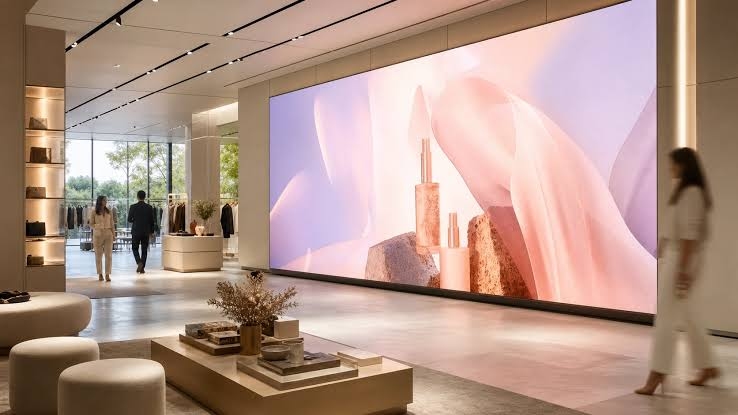
Mission-Critical Control Rooms and Data Centers
Monitoring centers need screens running all day every day, high dependability, and sharp text from short distances.
- Ultra-Fine Pitch Needs: These areas use very small pixel tech like our COB 4K LED Model or KU HD LED Model to show detailed charts and multiple inputs without blurry spots.
- Fatigue Reduction: The flat, non-shiny face on the COB LED display and steady refresh rates cut eye tiredness for staff watching constantly.
- Zero-Failure Tolerance: Control rooms cannot have sudden dark spots, so the strong build from the COB vs SMD LED display comparison points to COB for key setups.
High-Traffic Retail Spaces and Commercial Lobbies
Shops and building entrances focus on eye appeal, broad view angles, and standing up to people touching or bumping them.
- Engagement and Aesthetics: Stores pick bright options like our KI HD LED Model and KV HD LED Model to show lively ads that catch walkers.
- Wide Viewing Angles: Both SMD LED display and good COB LED display setups give wide side and up-down views so colors look strong from any direction.
- Robust Public Interaction: In half-outdoor or open mall areas, COB LED display tough coatings guard against knocks from customers or carts.
Contact Us Today
Ready to step up your display systems? Team up with King Visionled, your trusted OEM LED screen manufacturer, for new display choices, fair factory prices, and solid engineering help. Reach the sales and tech group today at admin@kingvisionledscreen.com or jack@kingvisionledscreen.com, or ring +86 135 8011 5134 to talk about your job and get a quote made for you!
FAQ
Q: What is the primary difference in lifespan between COB and SMD LED displays?
A: COB LED display units usually last longer in rough spots because the covering guards the inside parts from water, dirt, and hits. This cuts heat wear compared to open SMD LED display lights.
Q: Can King Visionled provide custom cabinet sizes for unique architectural spaces?
A: Yes. As an experienced custom LED video wall manufacturer and LED display solution provider, King Visionled handles special sizes, curved shapes, and build details to fit exact building needs.
Q: Which technology is more suitable for close-up viewing environments like meeting rooms?
A: COB LED display systems work better up close thanks to tiny pixels, a smooth face, and no pattern issues that keep pictures clean even from under a meter away.
Q: Why is a COB LED display increasingly preferred over an SMD LED display for control rooms?
A: As a professional COB LED display manufacturer, we suggest COB for important monitoring areas because it handles zero breakdowns, releases heat well, and stays dependable when running nonstop.