
Picking the best visual setup matters a lot for procurement managers, project engineers, and architectural designers. You might be equipping a fancy corporate lobby, a busy retail mall, or a huge outdoor stadium. The decision between a flexible LED screen and a standard fixed display can shape the ongoing success of your spending.
At King Visionled, we focus on linking creative ideas with practical tech. As a top maker with more than 15 years in the field, we deliver strong solutions that stress dependability and strong visuals. In this overview, we explain the main differences in how they work. We also guide you to pick the tech that matches your business needs.
Understanding the Core Differences: Flexible vs. Traditional
Before looking at exact uses, you need to grasp the basic build of these two types.
Traditional LED Screens: The Standard for High-Stability Performance
Standard LED displays often rely on solid steel or aluminum frames. They suit flat, big areas where toughness and solid build come first.
- Structural Form: Sturdy frames (e.g., King Visionled KR Series) made for lasting or rental setups.
- Maintenance Profile: They usually allow front and back access. This works well for billboards or built-in wall setups.
- Protection Level: It’s simpler to reach top IP ratings (IP65+) for tough outdoor spots.
Flexible LED Screens: Breaking the Flat-Screen Barrier
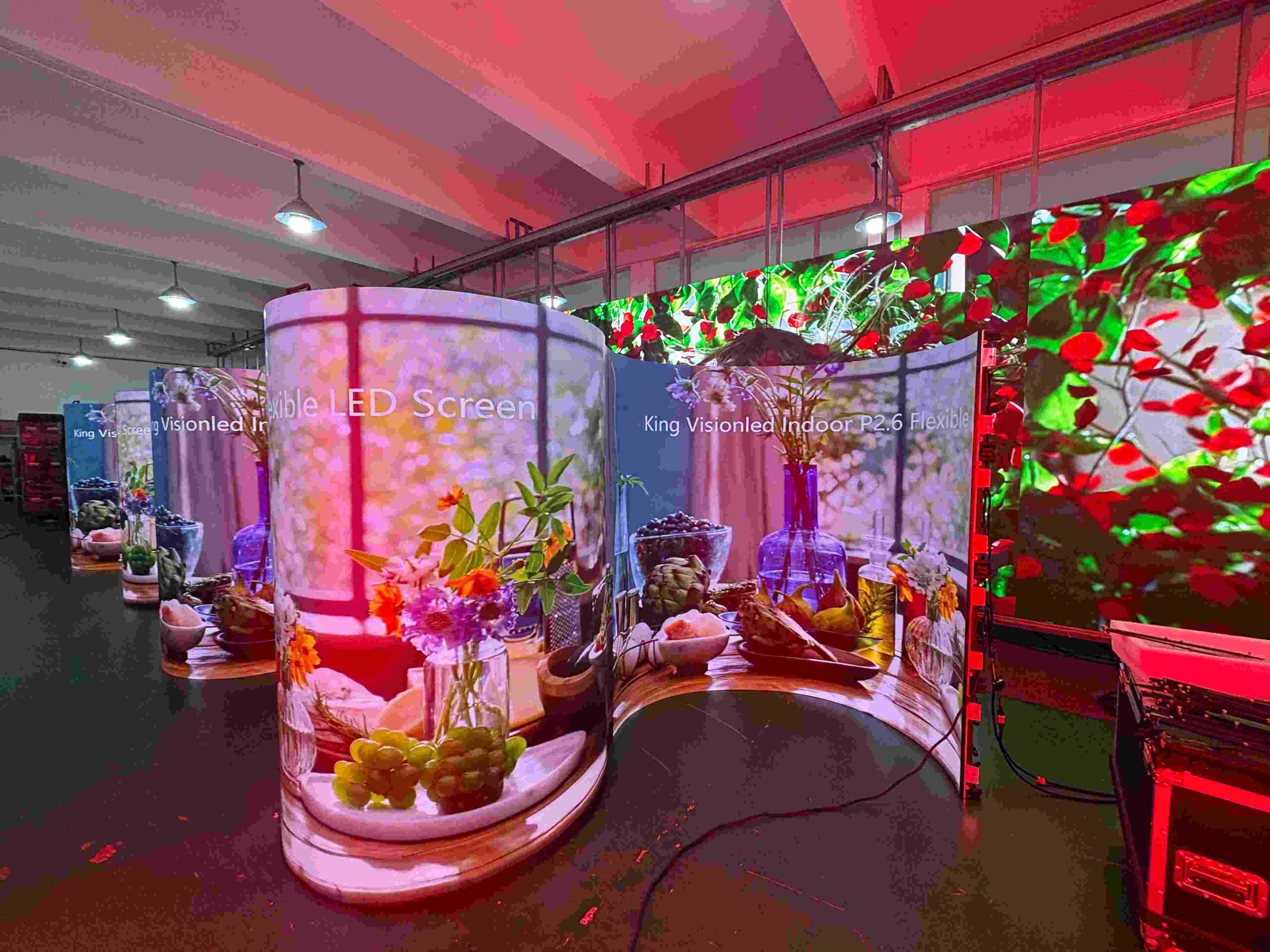
A flexible LED screen, or soft LED module, employs a pliable PCB and soft cover. This lets the screen bend, turn, and fit around items.
- Mechanical Flexibility: It forms inward curves, outward bends, or S-shapes. There are no clear joints like with stiff panels.
- Weight Advantage: These are far lighter than usual frames. So they ease the strain on current buildings.
- Mounting Ease: Many use magnetic spots for quick setup on metal supports. This cuts down on worker costs a great deal.
Key Application Scenarios: Where These Technologies Shine
Many B2B buyers struggle with products that seem fine in specs but don’t fix real-site space issues. Here’s how we use these at King Visionled.
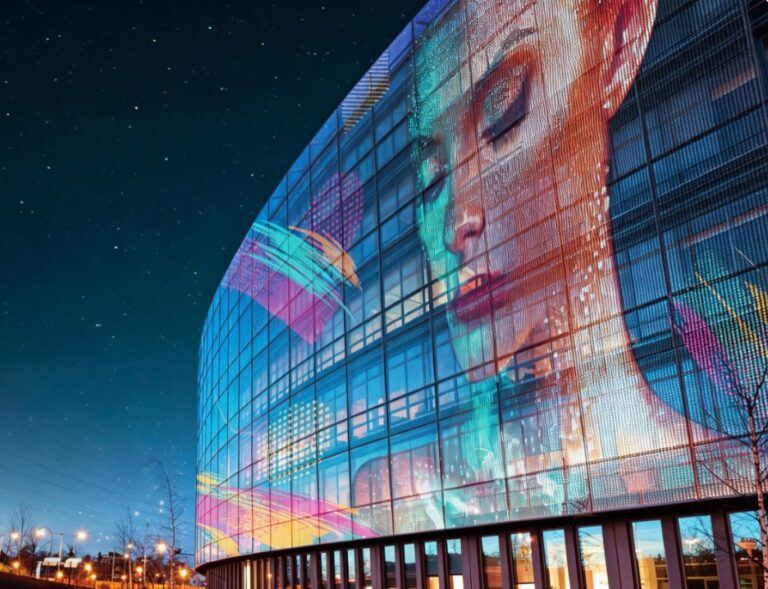
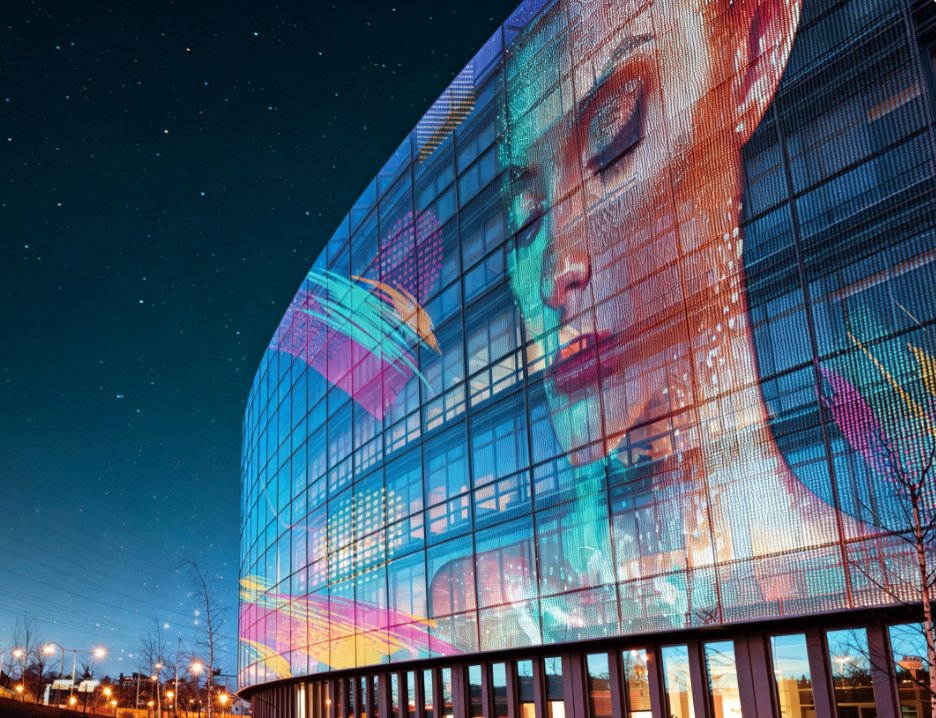
Creative Architectural Branding and Retail Design
In today’s malls or top luxury shops, plain walls are fading out.
- The Problem: Designers aim to cover columns or make wavy ceiling setups. Yet standard screens lead to rough edges and need heavy bases.
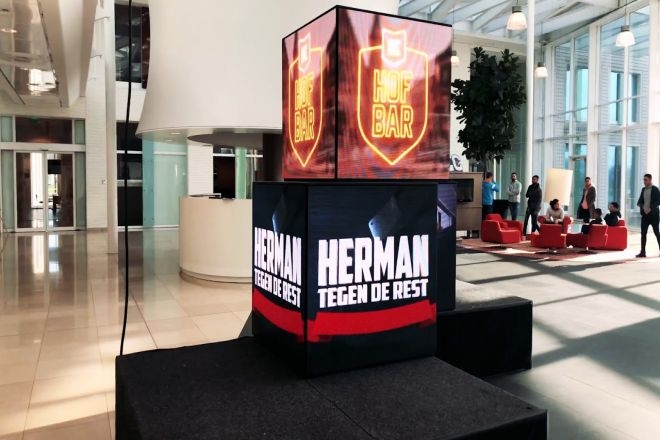
- The Solution: Our customized KQ Soft LED modules. With bendable PCBs, we build smooth 360° round displays or 90° gentle bends.
- Value Add: It fixes the look of spaces in views and gives a smooth digital layer on any face.
Scenario 2: Large-Scale DOOH (Digital Out-of-Home) Advertising
In regular plazas or road billboards, the main goal is lasting use and clear light.
- The Problem: They face strong winds, bright sun, and heavy rain.
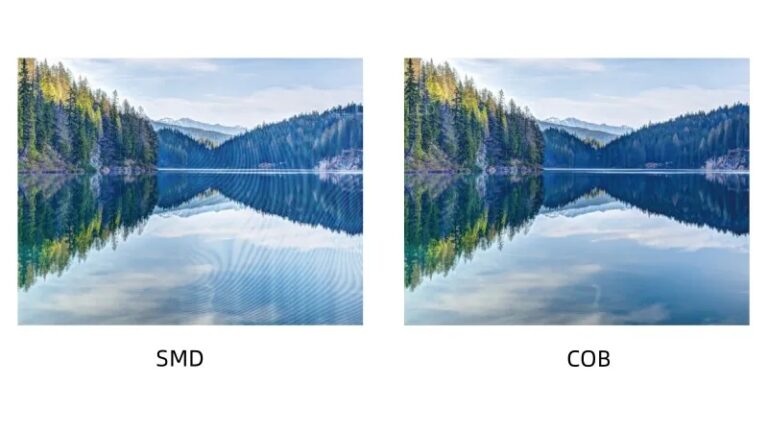
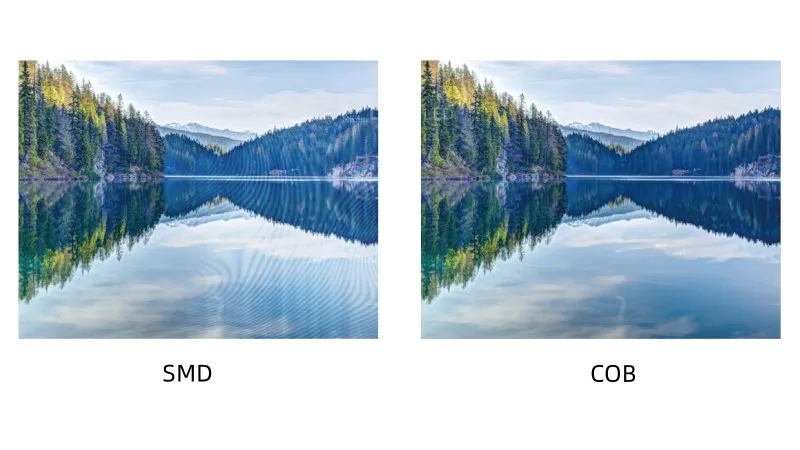
- The Solution: Standard outdoor fixed LED displays like our KR-A or KR-D Models. These have tough steel frames and bright DIP or SMD lights up to 7000-8000 nits.
- Value Add: They offer a sharp contrast and protection from the weather. This supports round-the-clock ad income with little upkeep.
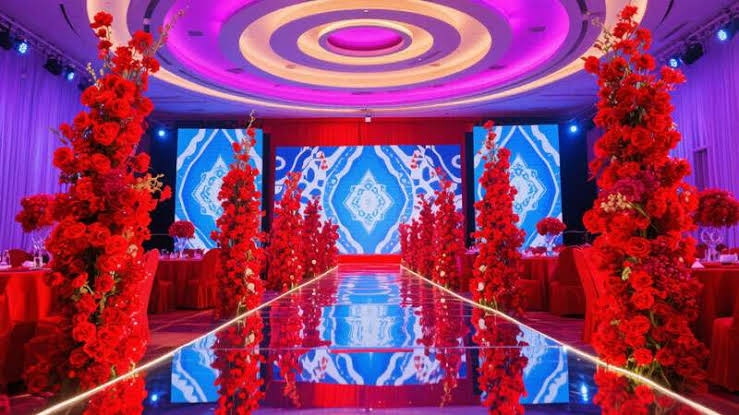
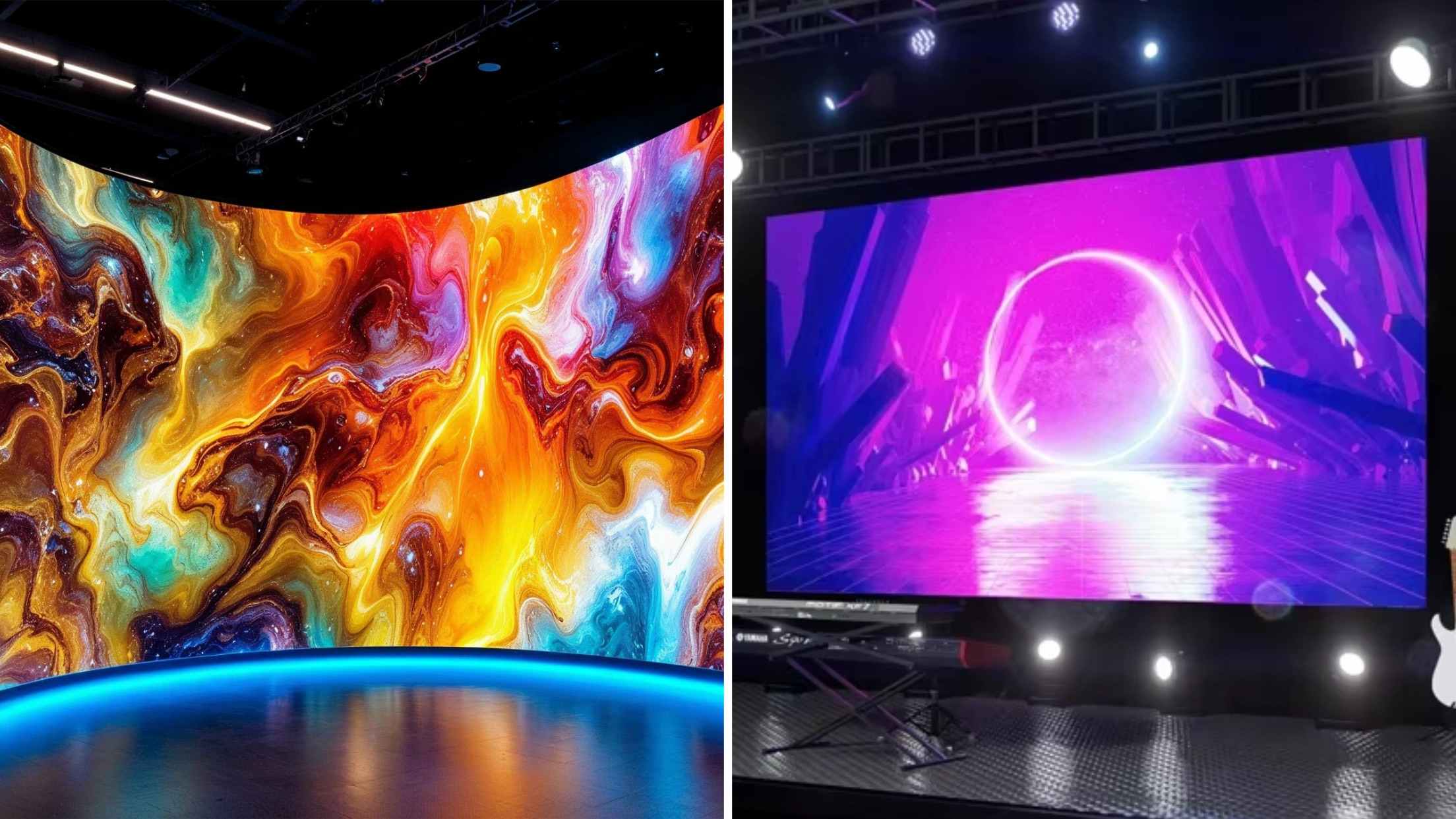
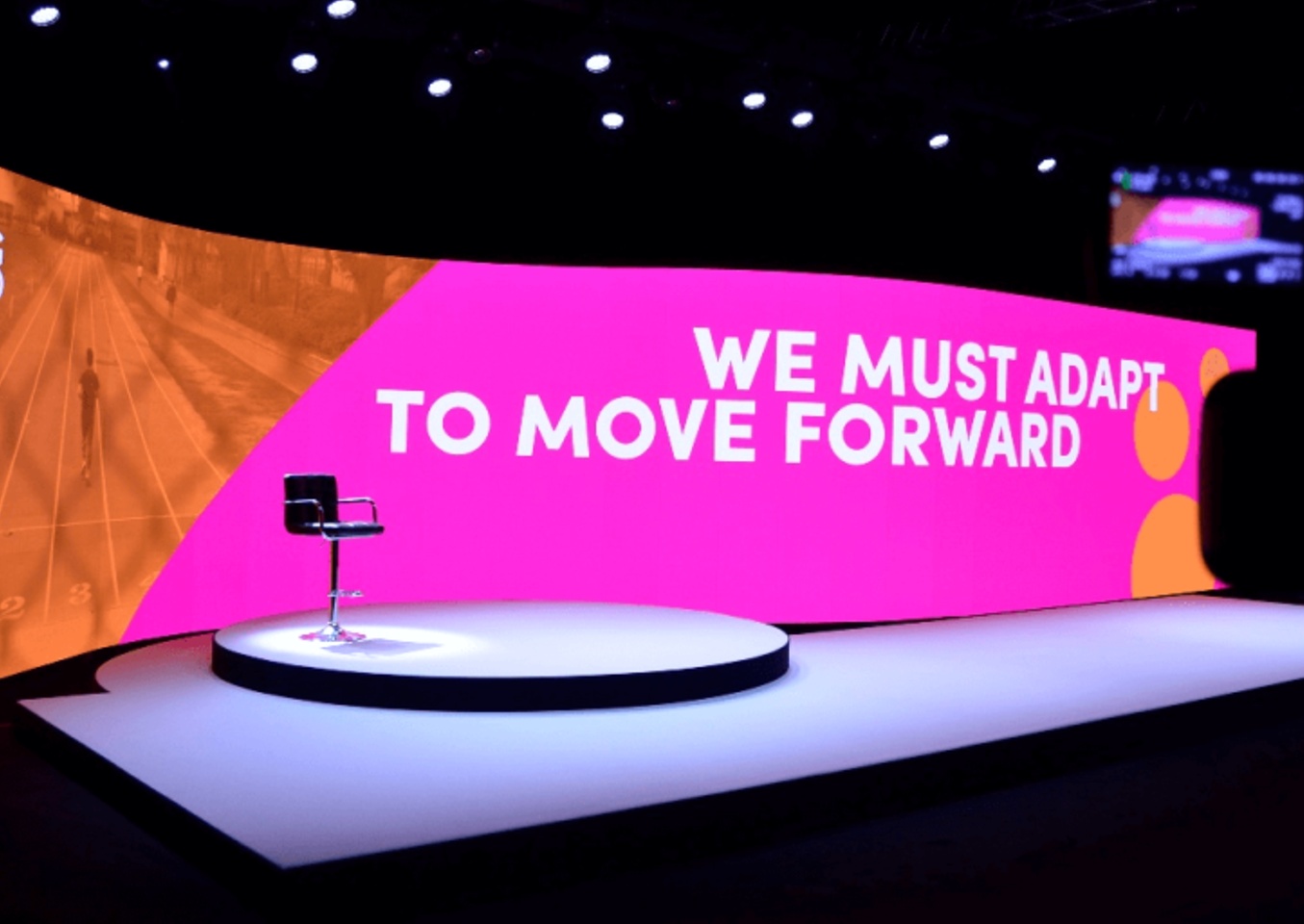
Immersive Stage and Event Rental
- The Problem: Planners must set up and take down big visual walls quickly. They often want bent stage looks to better viewer angles.
- The Solution: Our KX and KC Rental Series. Though somewhat stiff, these frames include curve locks (-10° to +15°). They give a partly bendable feel with rental frame strength.
Why King Visionled is the Preferred B2B Partner
When you ask about a job, it’s not just about gear. You’re putting money into a tech link. King Visionled excels by tackling key issues for worldwide sellers and builders.
Advanced Customized Capabilities
We know projects differ widely. We provide a complete customized service path, which includes:
- PCB Design: Shaping modules to suit odd curves.
- Cabinet Dimensions: Making frames that fit the exact building plans.
- Control Systems: Linking Novastar, Colorlight, or Linsn to your current setup.
Rigorous Quality Assurance
To cut risks of faulty pixels or color changes—big troubles in the field—each King Visionled item goes through a 72-hour burn-in test. Our bendable modules feature fine silicone covers that stay firm and color-true in warmth. This keeps the bend even over long runs.
Choosing the Right Solution for Your Project
To make buying easier, think over this list before your RFQ:
When to choose a Flexible LED Screen
- Your job needs bent faces, columns, or inventive folded looks.
- The spot limits weight, as inner walls or glass build.
- You want a smooth full-circle view without edge marks.
When to choose a Traditional LED Screen
- You’re setting up a level outdoor sign or giant stadium board.
- The top light (6500+ nits) and harsh weather strength matter most.
- You seek the cheapest pick for a basic flat wall.
Conclusion and Future-Proofing Your Investment
The choice between bendable and standard LED screens isn’t about which is superior. It’s about which handles your setting and style needs best. At King Visionled, we value guiding clients through these picks for good returns and eye-catching results.
If you want a customized magic cube for an expo or a solid outdoor sign for downtown ads, our engineers stand ready to help.
Ready to start your project?
Reach King Visionled now for a tech talk and full quote in 12 hours.
- Email: admin@kingvisionledscreen.com
- WhatsApp/Phone: +86 135 8011 5134
FAQ
Q: Are flexible LED screens as bright as traditional ones?
A: Most flexible screens suit indoors with 800–1200 nits. Standard outdoor ones hit 7000+ nits. Still, for shop settings inside, both give clear views and rich colors.
Q: Can flexible LED modules be used outdoors?
A: Many flexible modules are rated for indoors because of their soft build. But King Visionled provides certain customized outdoor flexible options with special waterproof layers (IP65) for special building jobs.
Q: How do you maintain a flexible LED screen?
A: Upkeep is, in fact, simpler. Most bendable types have a magnetic front-service method. You can pull out one module from the front with a vacuum tool. No need to take apart the whole build.
Q: What is the lifespan of these displays?
A: Both standard and bendable screens from King Visionled last about 100,000 hours. The secret to long life is good cooling and quality power units, which we add to every unit.