
How do historic sites and modern art keep their power to move people in a world full of quick digital images? Museums and galleries today face a real challenge. They want to draw visitors in without harming the building’s original feel, structure, or history. Old display cases and fixed signs often do not hold the interest of people used to technology. This leads to fewer visitors and fewer connections with the exhibits.
To solve this, many curators and architects now turn to digital tools. King Visionled, a leading commercial LED screen manufacturer with more than 15 years of experience, creates special display systems for cultural spaces. The company builds high-resolution screens that fit carefully into historic buildings. This approach turns simple-looking into active, engaging experiences for visitors.
Technical Challenges in Heritage and Art Display Environments
Putting electronic displays into galleries and protected historic buildings brings several practical difficulties. Standard commercial screens often cannot meet these requirements.
Strict Architectural and Structural Load Limits
Old buildings need display equipment that stays light and avoids heavy changes to walls or supports.
- Structural Strain Reductions: Historic walls made of plaster, stone, or wood cannot support the weight of typical steel-framed screens. Heavy setups may cause lasting damage to protected sites.
- Low-Profile Engineering Solutions: King Visionled’s architectural displays use slim aluminum cabinets. This spreads weight evenly and helps projects pass strict preservation rules from local authorities.
Demanding Visual Fidelity and Color Accuracy Standards
Art displays need true colors, deep shades, and no unwanted patterns to show artworks and objects accurately.
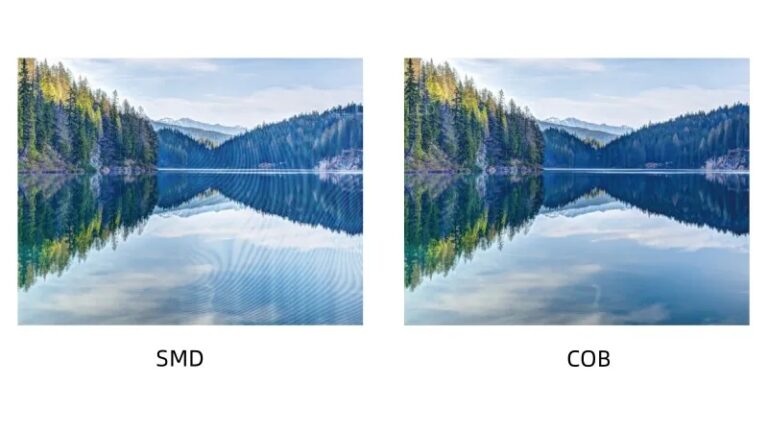
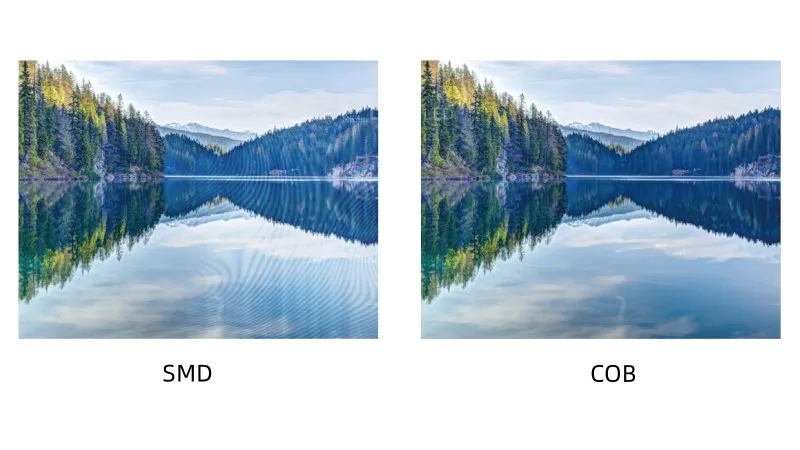
- The Moire Effect and Scanning Distortion: Lower quality LED screens create lines or flicker when visitors take photos or videos with phones or cameras. This reduces the quality of the museum experience.
- High-Precision Image Processing: Galleries need advanced driver systems that handle fine color changes, low light conditions, and fast refresh rates to keep images clear under museum lighting.
King Visionled Customized Hardware Solutions
To meet these specific needs, King Visionled provides both standard and custom options designed to fit directly into existing structures.
Ultra-HD Small Pixel Pitch Displays for Close-Up Viewing
When people stand close to historic documents or art reproductions, pixels must not be visible.
- KU HD LED Model (Pixel Pitch: 0.9mm–1.56mm): This system offers a very fine pixel pitch and 8000:1 contrast ratio. It delivers a 16-bit gray scale and 68.7 billion colors, showing fine details like brush strokes clearly.
- KV Indoor Fixed LED Screen: Built for tight spaces, this model has a slim 54mm cabinet depth. It uses 250x250mm modules that adapt well to irregular or limited wall areas.
Customized Creative LED Screen Configurations for Architectural Integration
Flat screens do not always work with old columns, curved walls, or unusual gallery layouts.
- KQ Soft Flexible LED Screen: This flexible design bends around pillars or arches without damaging the image or structure.
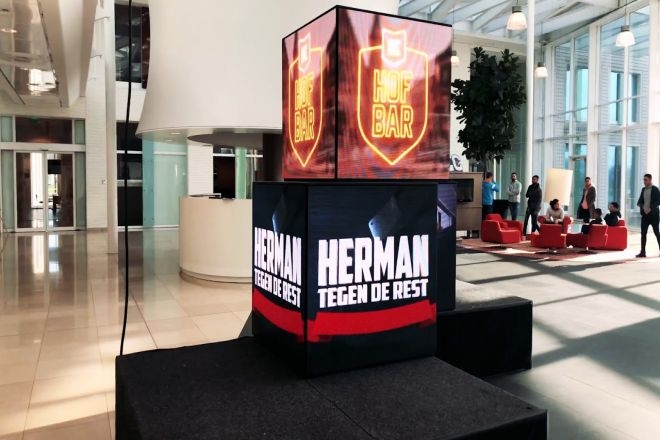
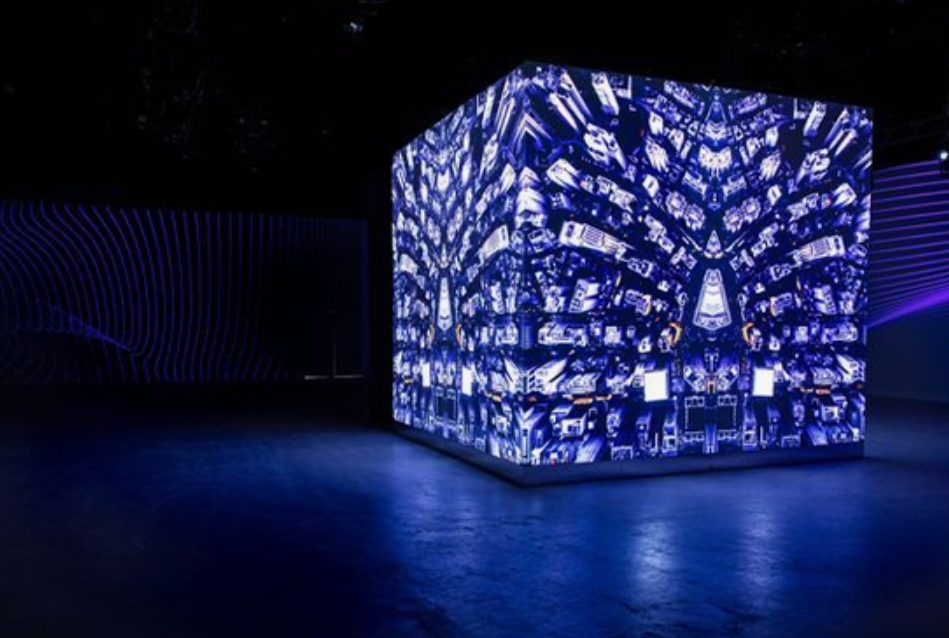
- KSCube Creative LED Screen: This multi-sided display (available in 4-sided or 5-sided versions) creates 360-degree viewing for central sculptures or logos.
Engineering Breakthroughs and Interactive Technologies
The company’s developments focus on safety, lower running costs, and features that encourage visitor interaction.
Intelligent Thermal and Structural Engineering
Quiet operation and minimal building changes matter greatly in gallery spaces.
- Fanless Natural Heat Dissipation: Die-cast aluminum cabinets and separate power boxes allow heat to escape naturally. This keeps the screens silent, which suits quiet exhibition halls.
- Full Front Maintenance and Zero-Clearance Mounting: The KV Indoor Fixed LED Screen allows service from the front. Technicians can replace parts without rear access space, saving room and protecting walls.
Interactive Layer Integration and Multi-Sensor Control
Modern exhibits use interaction to involve visitors more deeply.
- Multi-Touch Overlay Integration: Small pixel pitch screens can include touch glass or floor sensors. Visitors can explore details of relics smoothly without delays.
- Smart Cluster Content Management: Central software lets staff update content, change languages, or coordinate multiple screens from one location using WiFi or 4G.
Comprehensive Technical Services and Global Support
A good installation depends on strong planning, setup, and ongoing help.
Tailored OEM/ODM Project Consultations
Each museum has its own layout, lighting, and limits that need individual attention.
- Bespoke Structural Blueprints: Engineers work with facility teams to create custom layouts, framing, and power plans.
- Comprehensive Factory Quality Control: Every module goes through aging tests, power cycling, and color checks before shipping.
Worldwide Field Installation and On-Site Engineering Guidance
King Visionled reduces risks by providing full support from planning to final setup.
- International Technical Teams: Support networks exist in variouscountries, including the USA, South Korea, France, Dubai, and Indonesia.
- Turnkey Support Lifecycle: Services cover design testing at the factory, on-site alignment, and training for local teams.
Strategic Value and Global Application Cases
Well-designed LED systems bring measurable benefits in visitor numbers, partnerships, and reputation.
Immersive Media Facades and International Exhibitions
Large digital displays attract attention and increase interest in exhibits.
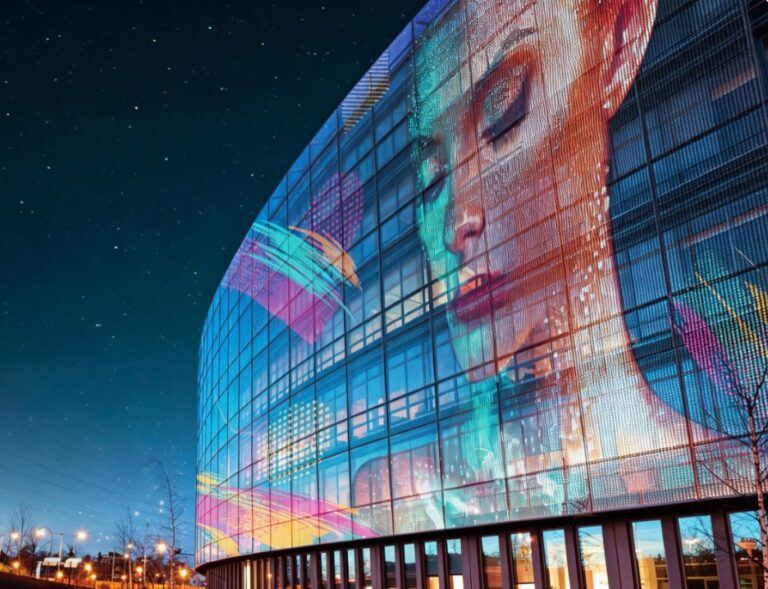
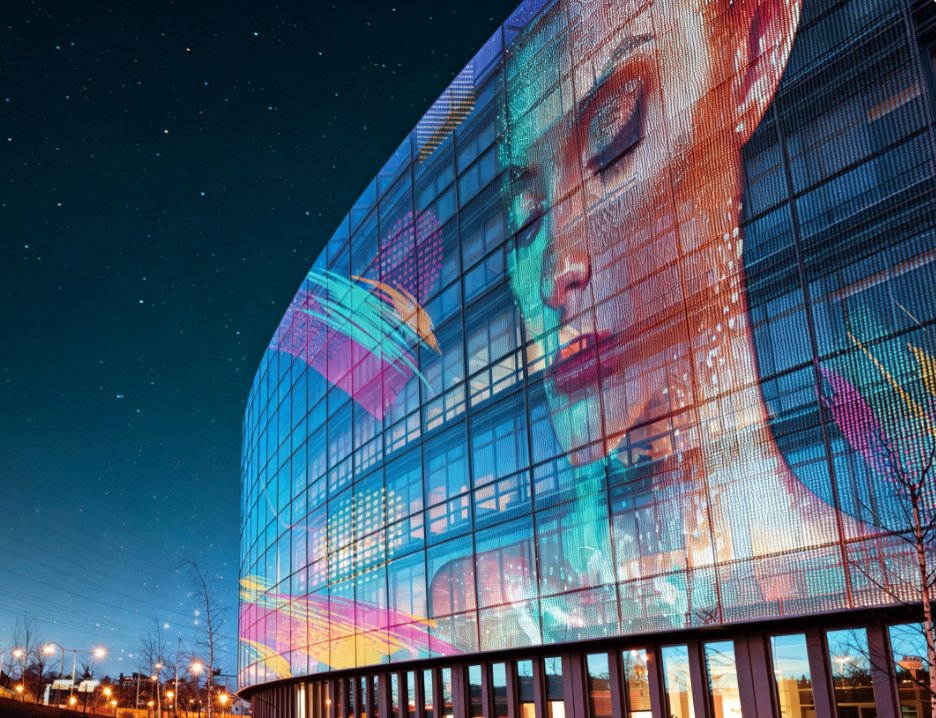
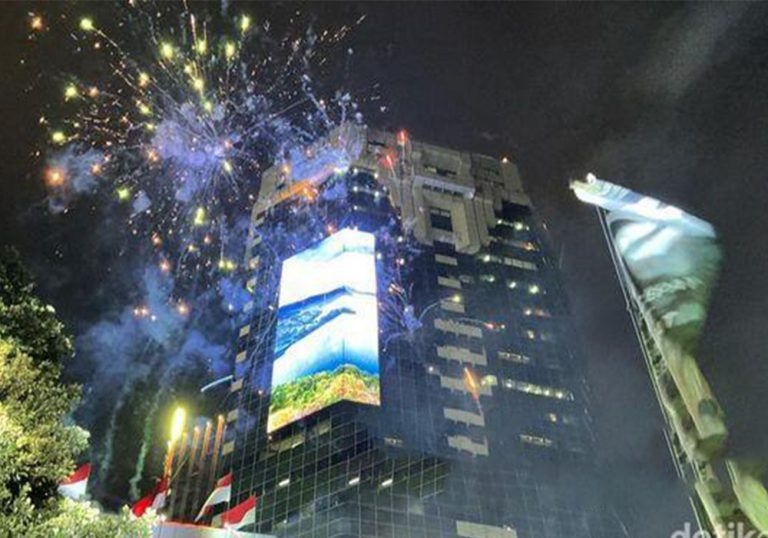
- The Jakarta Tourism Media Facade Project: King Visionled created a 400-square-meter mesh screen for the Ministry of Tourism. The open aluminum design reduced wind resistance while showing bright images. This led to a 20% rise in local visitors year on year.
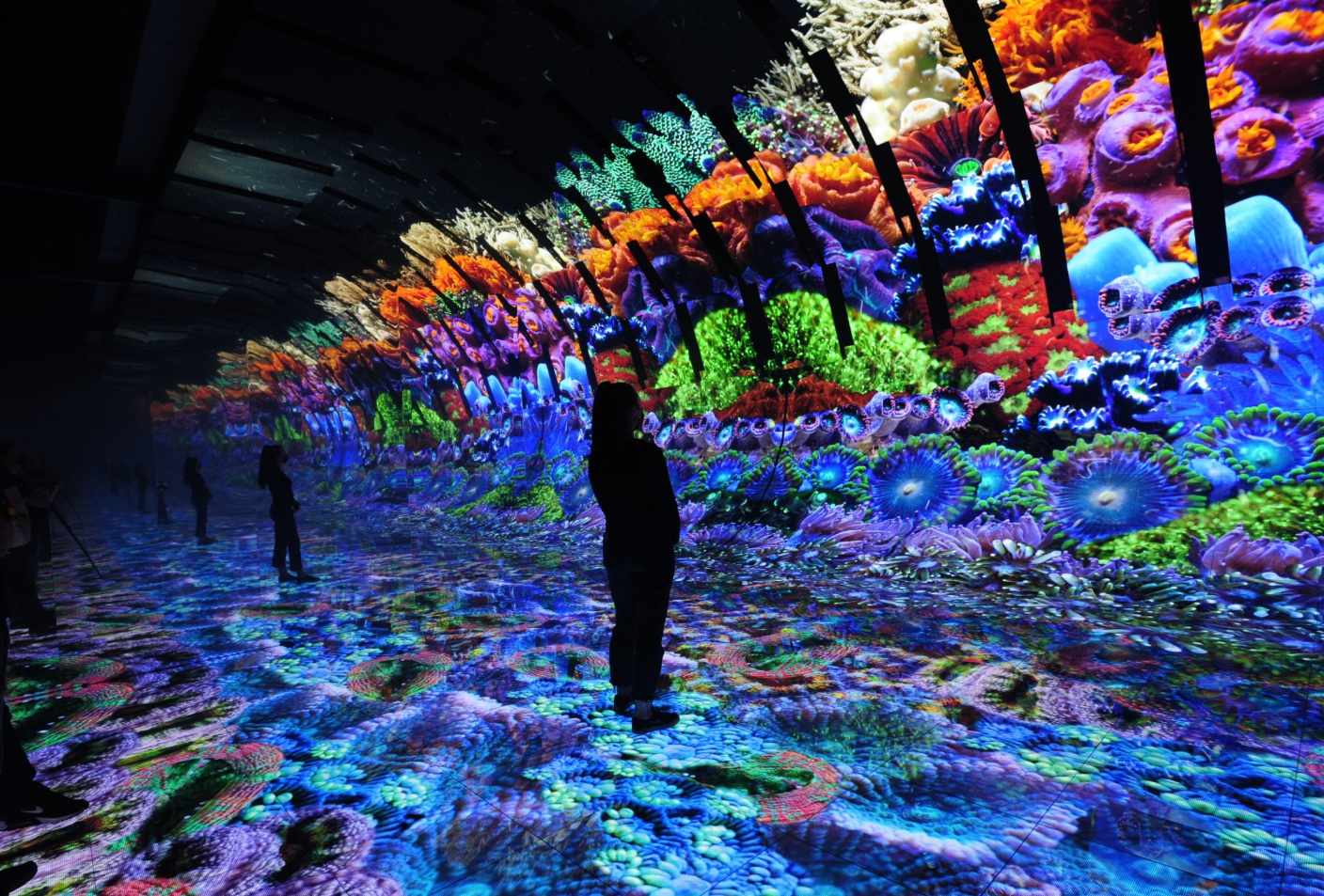
- Immersive Museum Storytelling: High refresh rate screens help bring history and art to life, creating stronger connections for visitors.
Empower Your Space with King Visionled Engineering
Ready to bring new display technology to your cultural or commercial space? King Visionled offers solutions for fine pixel video walls, flexible screens for unusual architecture, or complete digital systems for museum updates. The company builds each project to match the exact needs.
Contact King Visionled today for a detailed proposal and quote within 24 hours. Let the engineers help combine modern technology with respect for historic spaces.
- Email: admin@kingvisionledscreen.com / jack@kingvisionledscreen.com
- Direct Line: +86 135 8011 5134
FAQ
Q: What is the recommended pixel pitch for digital displays in art galleries where visitors view screens from a close distance?
A: For indoor spaces where people stand 1 to 3 meters away, a pixel pitch between 0.9mm and 1.56mm works well. This fine pitch keeps pixels invisible and maintains clear images and text for close viewing.
Q: How do modern indoor video walls manage thermal dissipation without generating audible background noise?
A: High-quality systems use fanless designs with die-cast aluminum cabinets and separate power boxes. Heat moves away naturally and quietly, preserving the calm atmosphere needed in galleries.
Q: Can custom digital display modules be mounted flush against historical walls?
A: Yes. Full front maintenance designs allow mounting with a total depth as low as 54mm. This removes the need for rear access space and protects original walls.
Q: How do high-end display panels prevent visual distortion and color degradation when recorded on mobile devices or cameras?
A: Systems with refresh rates of 3,840Hz or higher and 16-bit gray scale drivers reduce flicker and maintain accurate colors. This ensures good results under different lighting and when captured by cameras.