
Buying an LED display marks a big choice for any company, be it for bold outside ads or key inside checks. Yet the top headache for business buyers comes from seeing a top buy fade fast through early dimming or ugly color changes. At King Visionled, we focus on building fine LED setups to fight these common field problems. This keeps your screen assets bright throughout their full run.
The Reality of LED Longevity: Beyond the 100,000-Hour Myth
Many makers boast a hoped-for run of 100,000 hours. But the real working span of an LED screen shows up when its light falls to half the start level (L50). Or when color evenness wears down a lot.
What Causes Premature Dimming?
Dimming means light fade. It hits when LED chips drop their glow power. This shift often sticks around, sped up by bad heat handling or cheap chip stuff. A weak-built screen can begin to slip in work by its third year.
The Frustration of Color Shifting
Color shifts hurt a brand’s look more than plain dimming in some ways. They stem from the red, green, and blue (RGB) lights in one dot, flashing at odd paces. Take red lights fading quicker than blue ones. Then your clean white base turns to a cool blue shade over time. This wrecks the clear look of your customized content.
Root Causes of Premature Aging in LED Displays
To dodge these troubles at the buy and setup steps, know the settings and tech specs that cut an LED’s lifespan short.
Thermal Stress: The Silent Killer
Warmth stands as the main foe to LED steadiness. When inside heat tops the chip’s safe bounds, the glow drop hits hard. Each 10°C rise in work heat speeds the light fade. It also doubles the chance of part breaks.
Moisture and Environmental Corrosion
In outside spots, damp air and salt mist sneak into LED wraps. This sparks inner shorts or “dead lights.” Sun rays (UV) add risk too. They turn wrap stuff yellow, which sparks color shifts and less light out.
Component Quality and Drive Current
Cheap LED chips or shaky power units cause even current spread to fail. Pushing an LED hard for more light builds extra warmth. That leads to a quick light drop in 12 to 24 months.
How King Visionled Prevents Dimming and Color Shifting
As a skilled customized LED display builder, King Visionled builds in smart build tricks. We aim for lasting returns for our business partners.
Innovative Heat Dissipation for Stability
We hit the warmth issue from the base build. Units like our KZ Outdoor Advertising LED Display use cast aluminum frames over old steel ones.
- Superior Conductivity: Aluminum pulls heat away 40% better than steel.
- Active Cooling: Our bright outside boxes have 4-blade fans. They hold temperatures from -10°C to 40°C.
- Redundancy Design: We build screens with 30% extra room. For 7000 nits needed, we fit parts for 10,000 nits. This lets the screen run cool. It holds your light goal for over 5 years.
Advanced Packaging: DIP, COB, and GOB
Picking wrap tech matters a lot to stop early wear.
- DIP (Dual In-line Package): In tough outside spots, our DIP setup gives a strong resin fill. It fights off damp and UV yellowing close to fully. This brings 8-10 years of work life.
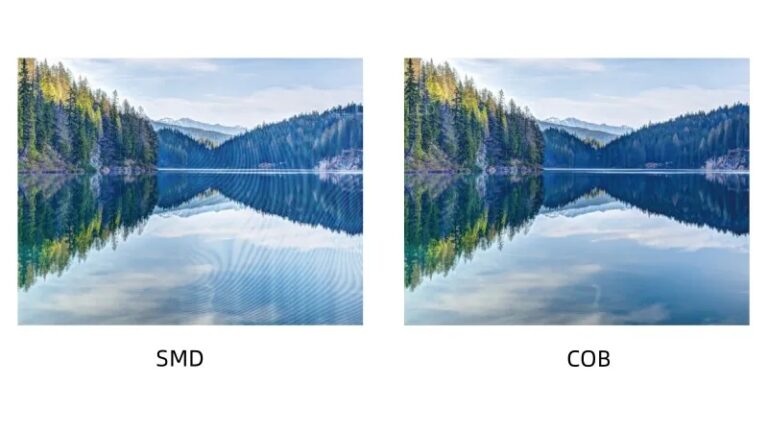
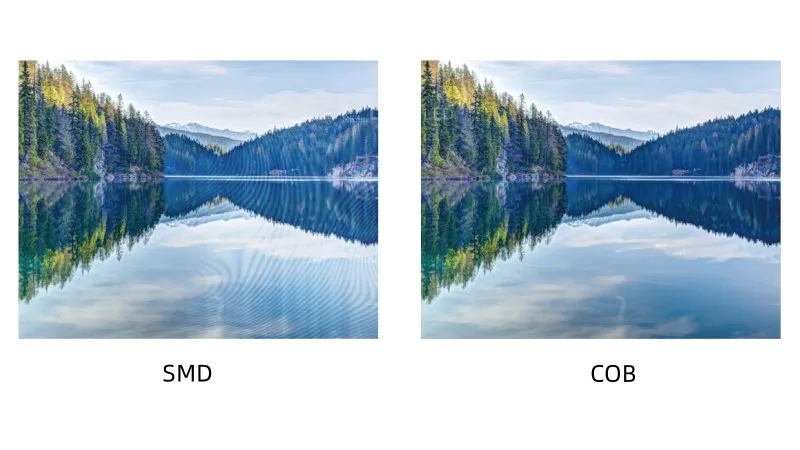
- COB (Chip on Board): For UHD Small Pixel Pitch inside screens, COB wraps the chip right on the board. This cuts “dead light” risks seen in SMD units. It also aids heat pull in tight pixel packs.
- GOB (Glue on Board): It adds a clear shield layer. The screen turns tough against hits, water, and dust. This steadies LEDs from setting wear.
How King Visionled Solves Specific Industry Pain Points
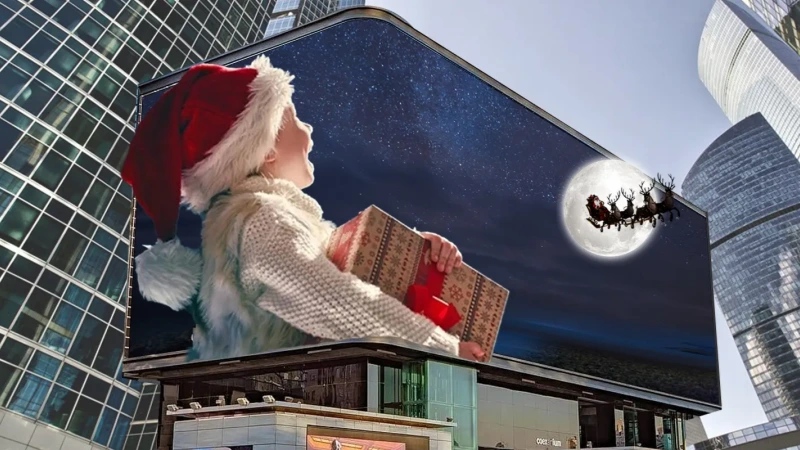
DOOH Advertising: Maximizing Brand Visibility
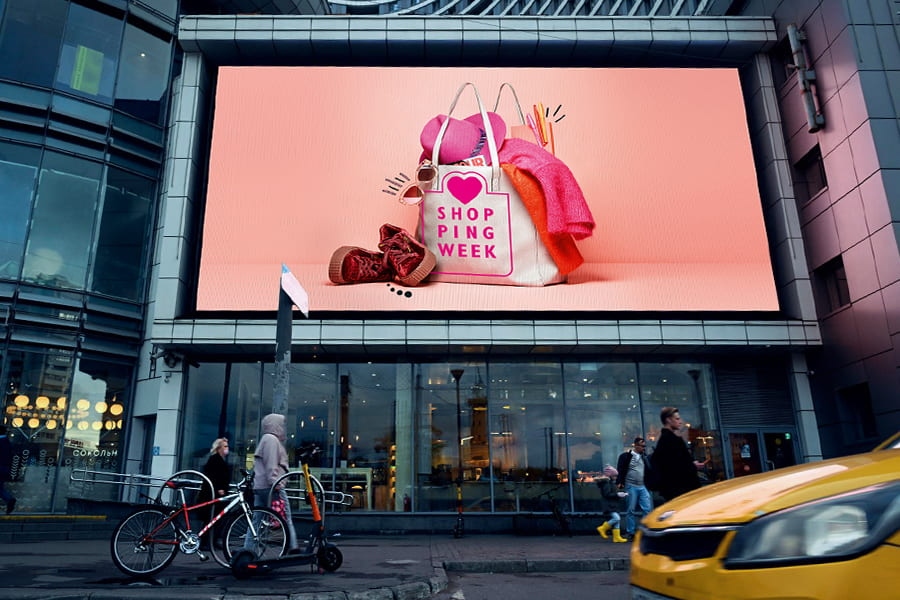
In busy shop areas, ad boards face the direct sunlight. A basic screen can fade a good deal after two hot summers.
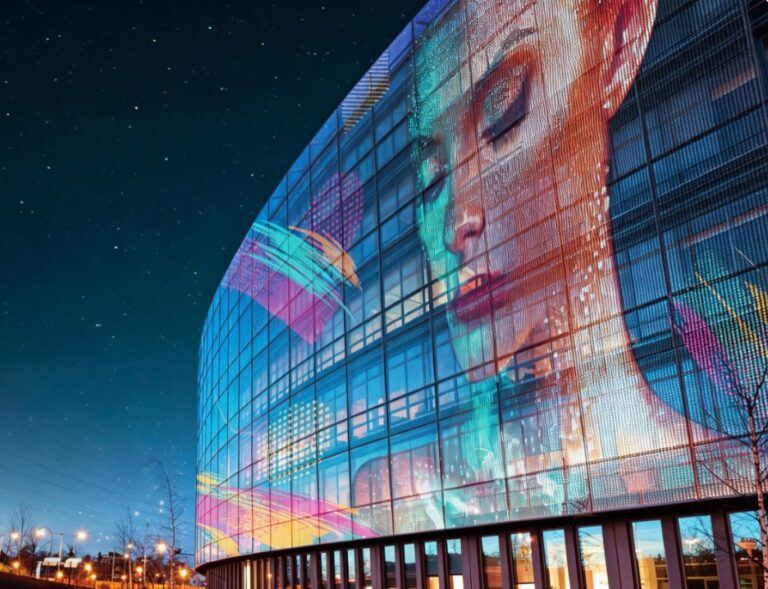
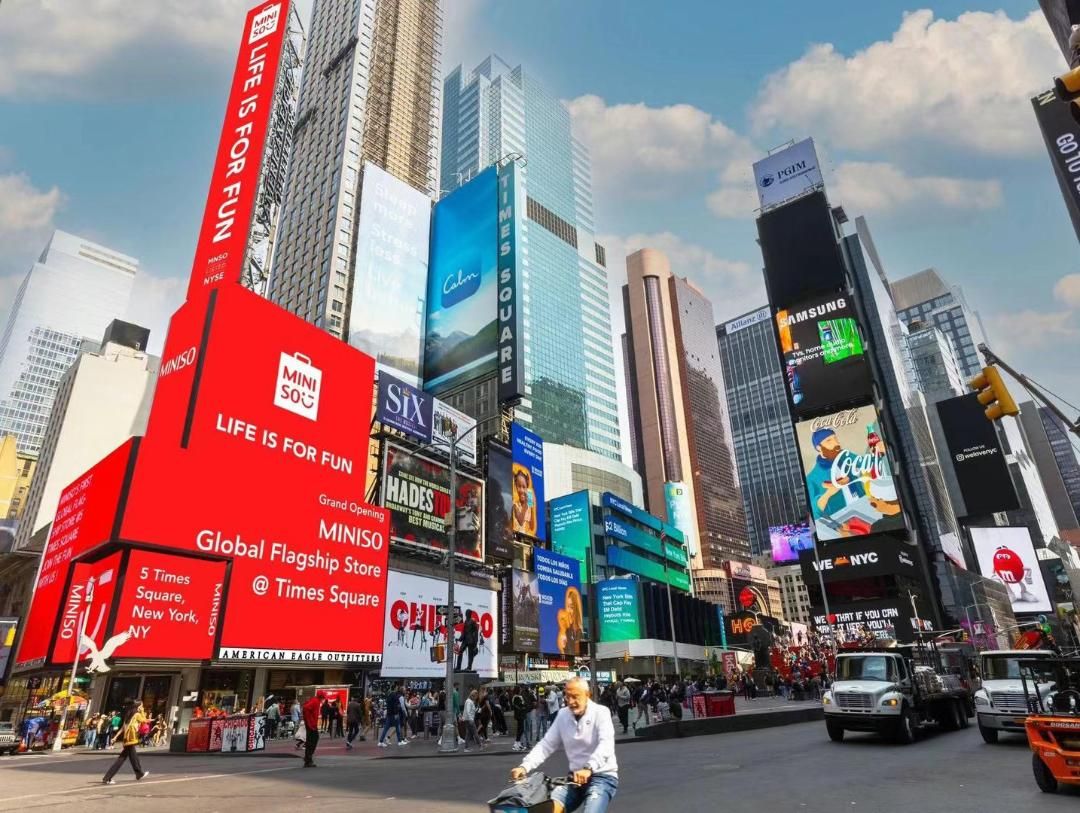
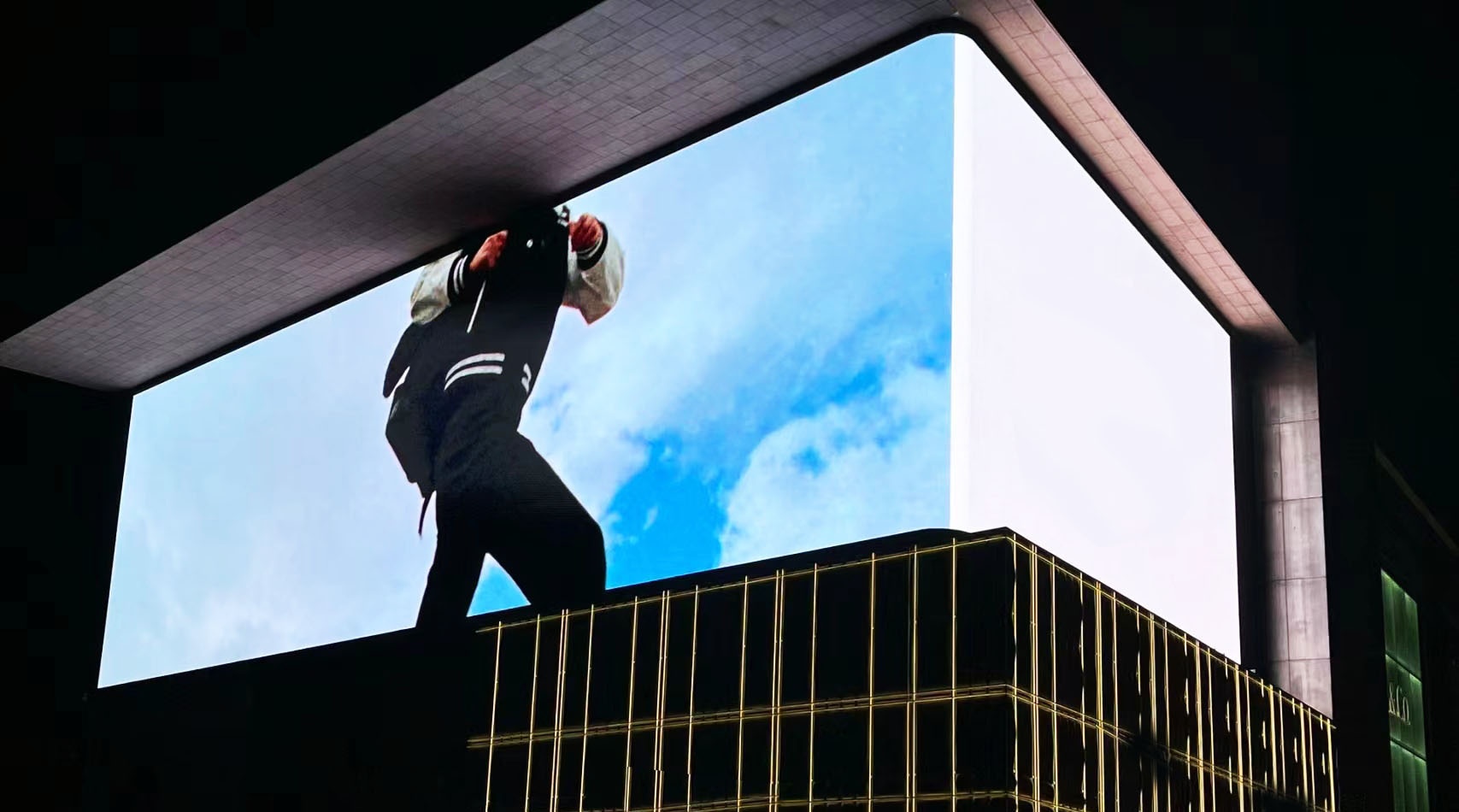
- The King Visionled Solution: Our Outdoor 3D visual effect billboards use power-saving parts and IP65 water seals. We match 7000 nits with good cooling. This keeps ad colors like “Coca-Cola Red” or “Samsung Blue” true and sharp for years.
Indoor Command Centers: Precision and Accuracy
In watch rooms or studio spots, a 2% color move can mix up data reads.
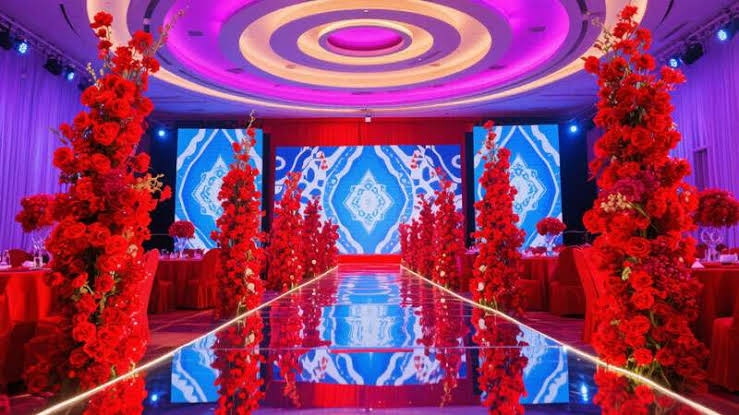
- The King Visionled Solution: Our UHD Small Pixel Pitch LED video walls (Models KU, KI, KV) give 16-bit gray scale and 8000:1 contrast. These customized inside fixes hold color match over the full wall. They avoid the spotty view from low-cost picks.
Global Success Stories: King Visionled in Action
Our push for long runs has won trust from buyers around the world.
- Romania: Set up an Outdoor P8 LED Display as a tough score board.
- Canada: Supplied a 300m² P3.9 Outdoor Stage Backdrop to handle temp shifts. It kept a high refresh (3840Hz) for live shows.
- Sri Lanka: Sent 60 Outdoor LED Screens to an insurance firm. Salt air posed big rust risks. Our special shields kept them free from fading.
Procurement Guide: What to Ask During Your Inquiry
When you hit the quote ask or OEM hunt stage, zero in on these tech points to guard your spend.
- What is the redundancy of the brightness? Seek screens that hit your light goal at 70% power.
- What is the cabinet material? Pick aluminum for the outside to handle warmth better.
- What packaging technology is used? Go for GOB or COB in touch-heavy or damp spots.
About King Visionled
King Visionled runs as a skilled tech firm. We center on building, making, and selling customized LED displays. From our 15,000m² site in Shenzhen, we offer full OEM and ODM help to buyers in over 30 countries. Our main goal remains to give solid goods and customized fixes that bring top returns for signage partners.
Ready to boost your visual punch? Stop early wear and lock in a bright path for your mark. Contact King Visionled today for a pro talk and customized quote on our tough LED setups.
- Email: admin@kingvisionledscreen.com / jack@kingvisionledscreen.com
- WhatsApp/Phone: +86 135 8011 5134
FAQ
Q: Can a dim LED screen be “fixed” to its original brightness?
A: In most cases, no. Light fade from LED wear marks a chip’s body change. Software tweaks might even out the looks sometimes. But they cannot bring back lost light without pushing LEDs harder and sparking more harm.
Q: Why do some parts of an LED screen look more “yellow” than others?
A: Uneven color shifts cause this. It crops up if one screen area gets more warmth or sun than another. Then, the RGB lights there age at varied rates.
Q: Does a higher refresh rate affect the lifetime of the screen?
A: Rates like 3840Hz mainly boost smooth views and camera fits. With good drive chips and solid heat pull, high rates do not cut LED life much.
Q: What is the most cost-effective way to extend an LED screen’s life?
A: Clean air vents often for good flow. Skip full light runs 24/7. “Auto-Brightness” tools that lower the night light can save a lot of lights.