
When you put money into digital signage, B2B buyers often hit the same tough spot. They need a solid LED screen at a reasonable price while keeping good picture quality. Choose the wrong pixel pitch and the images look grainy, or your project costs run much higher than expected. King Visionled has worked in this business for over 15 years. The company helps clients from many countries find suitable products and custom options. This B2B guide breaks down the main points about pixel pitch. It shows ways to pick screens that give a strong return on your investment.
Understanding Pixel Pitch and Its Impact on Your ROI
Pixel pitch serves as the basic measure. It affects how sharp your screen appears and the total cost to build it.
What is Pixel Pitch and Why Does It Matter?
The gap between centers of two nearby pixels sets the screen resolution and influences pricing.
- Definition: Pixel pitch (measured in millimeters, like P1.5, P2.9, or P10) shows the density of LED diodes across a display panel.
- Resolution Impact: A smaller pixel pitch creates higher pixel density. This brings out fine UHD details and makes text easy to read.
- Cost Factor: Smaller pitches need far more LED chips per square meter. That drives up material expenses and the final price from the factory.
The Direct Relationship Between Viewing Distance and Cost
Picking the right pitch comes down to matching the viewing distance with the money you have set aside.
- The Golden Rule: The minimum viewing distance in meters roughly matches the pixel pitch number in millimeters (for example, P2.5 works best from about 2.5 meters away).
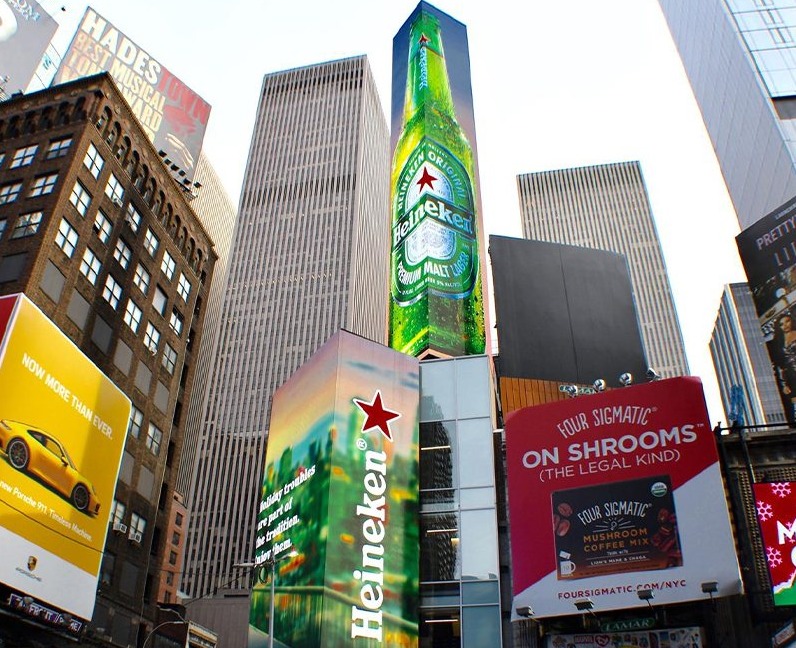
- Avoiding Over-Specification: Using a P1.5 small pixel pitch screen on a tall outdoor billboard throws away budget. People cannot see those tiny pixels clearly from 30 meters.
- Maximizing Your Budget: Going with a P10 screen rather than a P4 for long-distance viewing can reduce equipment costs by up to 40%. The visual quality stays the same for those distances.

Analyzing Your Application Scenarios to Avoid Over-Spending
Various business locations call for different pixel pitches, brightness levels, and protection features.
Indoor Corporate Environments and Command Centers
Indoor setups need comfortable close viewing and smooth grayscale under typical office lights.
- Core Pain Points: Meeting rooms and control stations must show clear text from short distances. They should prevent eye strain and avoid lines when cameras record video.
- Our Product Solution: King Visionled offers the KUHD LED Video Wall and COB 4K LED models. These come with fine pixel pitches from 0.9mm to 1.56mm.
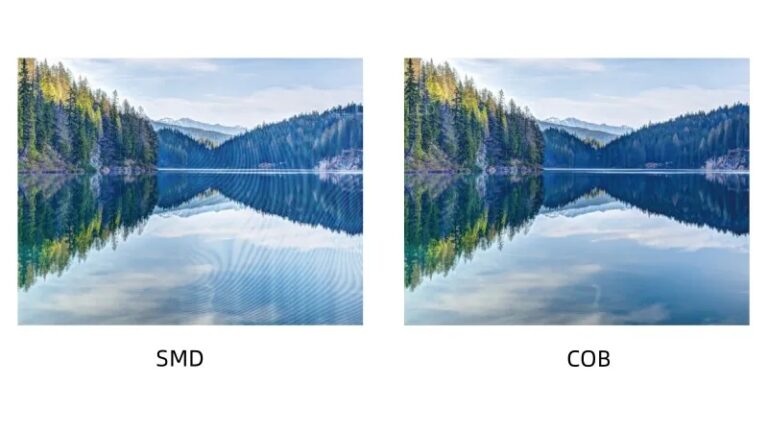
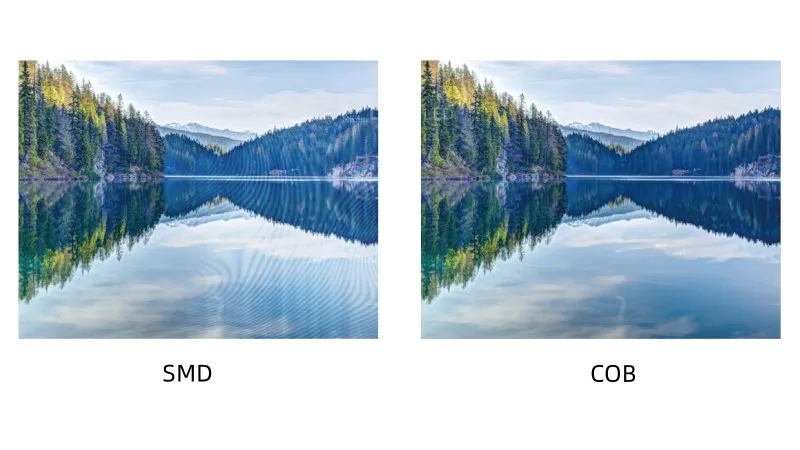
- Technical Advantages: With 16-bit grayscale, 8000:1 contrast ratio, and 3840Hz refresh rate, the screens deliver sharp data images. They run without flicker on HD video cameras.
Commercial Advertising Facades and Digital-Out-Of-Home (DOOH)
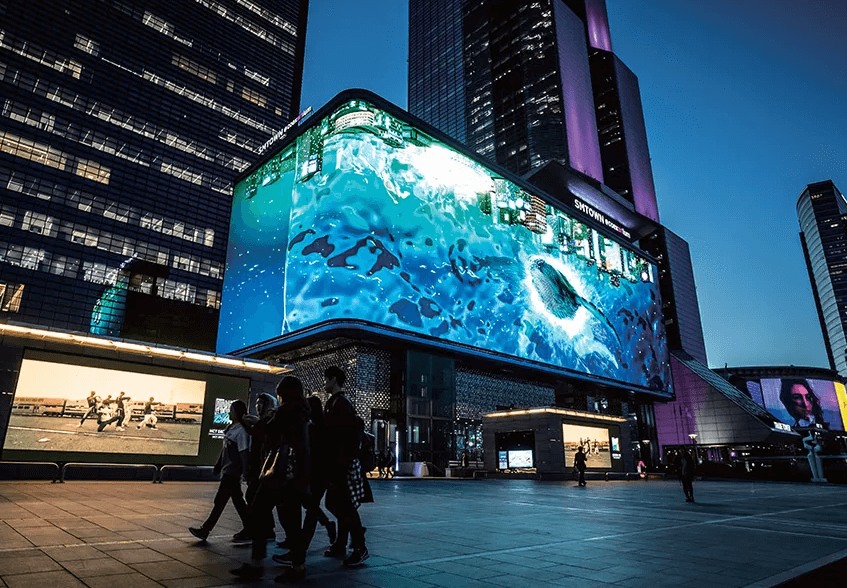
Outdoor advertising needs very bright displays and tough weather resistance to keep bringing in ad income over time.
- Core Pain Points: Older outdoor billboards use high power, need heavy steel supports, and often fail in heavy rain or strong sunlight.
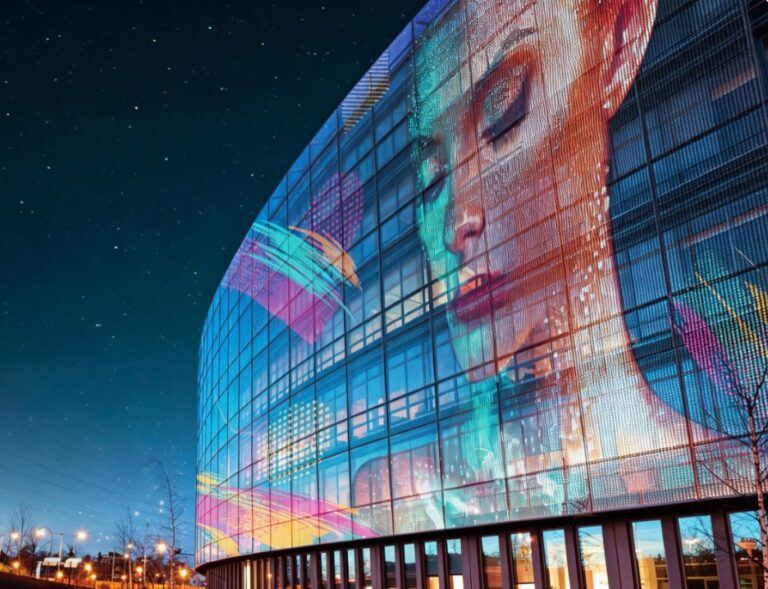
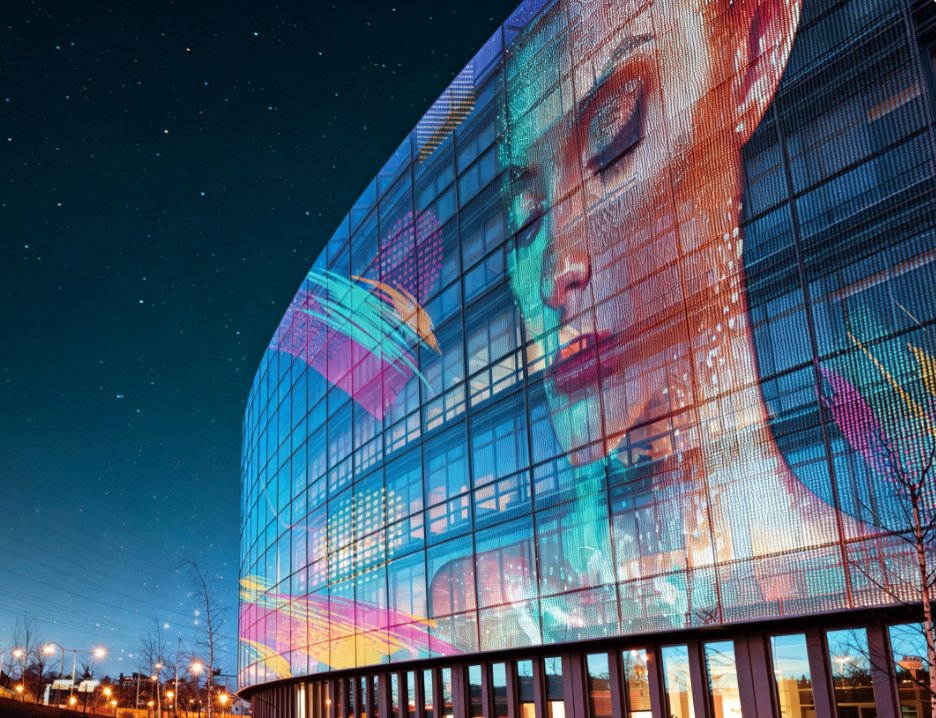
- Our Product Solution: We build heavy-duty KR I Outdoor Fixed LED Display screens and transparent LED mesh screens (Legend Series) with pitches from P6 to P25.
- Technical Advantages: IP65 waterproof rating, brightness up to 7000 nits, and energy-saving modules cut electricity bills. The screens stay clearly visible even in direct sunlight.
Stage Rental, Concerts, and Experiential Events
Live events call for hardware that assembles quickly and stands up to repeated moves and special shapes.
- Core Pain Points: Planners face slow setup times, high labor expenses, and cabinets that get damaged while traveling between venues.
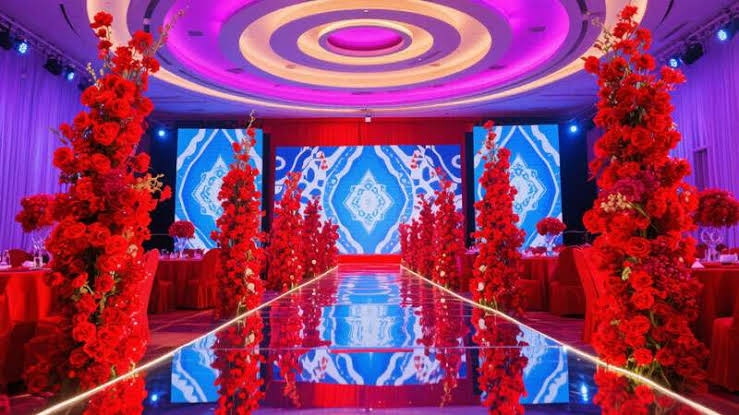
- Our Product Solution: King Visionled supplies rental systems like the KC Rental LED Screen and KX VR models.
- Technical Advantages: Each lightweight cabinet weighs only 7kg. One person can handle the quick setup and breakdown. Curve locks from -10° to +15° support flexible S-shapes and wave designs for creative stage looks.
Why Customized LED Solutions Offer the Ultimate Cost-Effectiveness
Ready-made standard products frequently do not match special building layouts. Buyers then spend extra on adjustments after purchase.
Tailored Visual Signage via Customized Manufacturing
We design and produce LED displays from the beginning to fit the exact layout of your site.
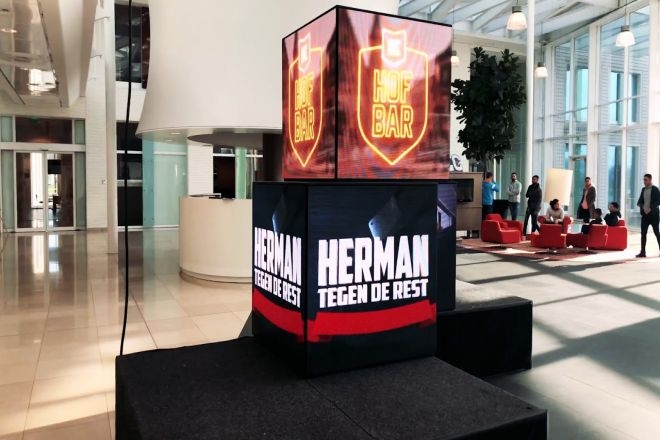
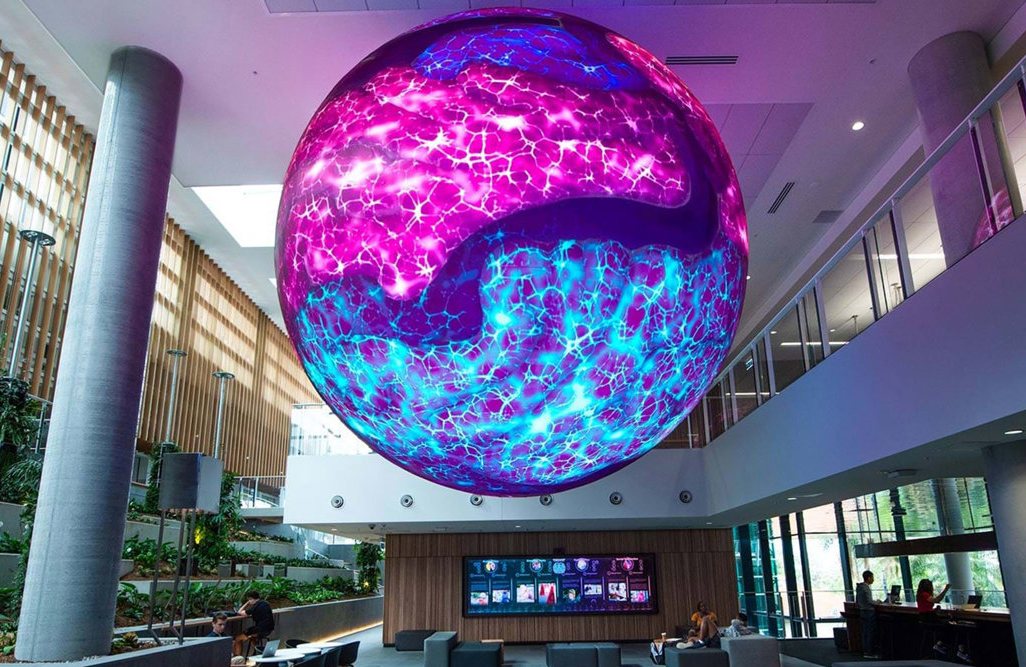
- Structural Flexibility: Some projects need 360° spherical screens, magic cube displays, or outdoor cylinders. We adjust module PCBs to suit those requirements.
- Case Study: In Jakarta, Indonesia, King Visionled installed a custom 400 square meter outdoor mesh LED display for the Ministry of Tourism. It helped raise local foot traffic by 20% year after year.
- Optimized Steel Structure: Custom panel sizes such as 500mm×1500mm remove extra steel frameworks. This saves B2B buyers thousands of dollars in construction expenses.
Beyond Hardware: Evaluating Factory Technical Support and B2B Services
The lowest factory price can become a costly choice later if support falls short after delivery.
Full-Lifecycle Engineering and After-Sales Maintenance
King Visionled lowers risks in the buying process by providing expert help through every stage of your project.
- Pre-Shipment Reliability: Every LED display panel passes aging tests and quality checks before it ships. We send live inspection videos straight to the client.
- Remote Technical Guidance: Professional engineers provide remote installation instructions and technical support to help ensure smooth setup and operation.
- 5-Year Product Warranty: All B2B orders include a 5-year warranty. A 7x24H online technical team stands ready to fix software or controller problems right away.
Ready to Optimize Your Project Budget?
Do not let questions about pixel pitch hold back your next commercial job. Reach out to King Visionled today. Get a complete factory-direct custom LED display solution and a professional engineering quote within 24 hours!
- Email: admin@kingvisionledscreen.com / jack@kingvisionledscreen.com
- WhatsApp/Phone: +86 135 8011 5134
FAQ
Q: How do I accurately calculate the best pixel pitch for my indoor commercial project?
A: The easiest approach turns the pixel pitch number into meters to judge viewing distance. For instance, an indoor P2.5 screen appears sharpest from 2.5 meters. A P1.5 display suits close-range boardrooms where people sit within 1.5 meters of the screen.
Q: What is the main difference between traditional outdoor cabinets and outdoor LED mesh screens?
A: Traditional cabinets stay fully enclosed and heavy. They demand strong steel structures and big air conditioning units. LED mesh screens use open strip designs with up to 70% transparency. This lowers wind resistance, removes air conditioning needs, and cuts down on steel installation costs.
Q: Why should a B2B buyer look for a high refresh rate of 3840Hz?
A: A 3840Hz refresh rate delivers smooth video playback. It avoids visible scanning lines or dark patches when professional HD cameras or smartphones record. This matters greatly for broadcast studios, hybrid corporate events, and stadium displays where media filming takes place.
Q: Can a customized LED display shape reduce my overall project installation costs?
A: Yes, it can lower costs quite a bit. Custom modules fit existing building facades or interior walls without major structural changes. This shortens labor time during installation and prevents spending on extra conversion materials.