
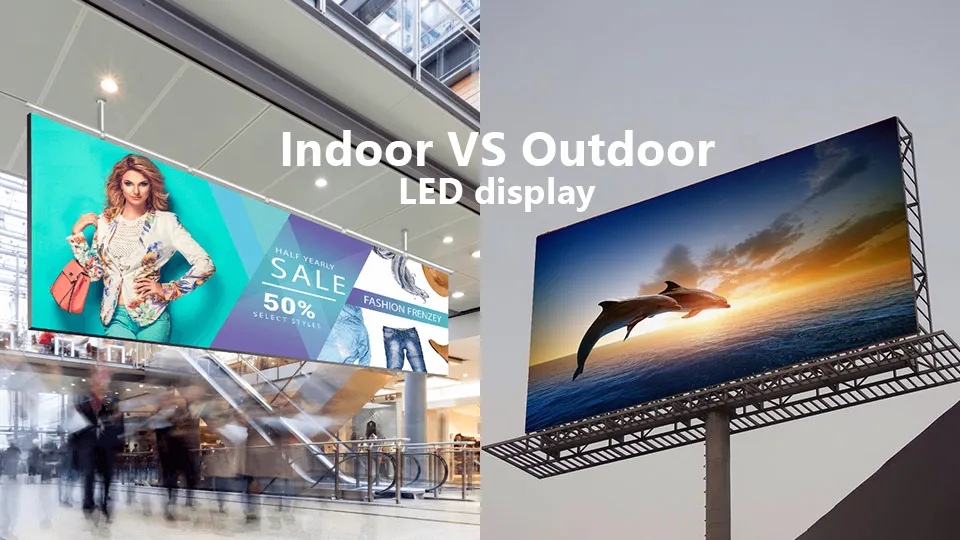
Sourcing a high-performance Indoor/Outdoor LED Screen from the global market can be difficult for B2B procurement managers, AV integrators, and advertising wholesalers. Selecting the wrong specifications often results in displays that are hard to read, images that look faded, or major damage from weather. King Visionled, a technology-driven global brand and reliable LED manufacturer, has created advanced visual systems for more than 15 years. The company offers premium factory-direct solutions that suit complex architectural needs. This technical checklist highlights the main differences between indoor and outdoor display technologies. It helps make bulk purchasing decisions easier.
Understanding the Core Differences in Indoor/Outdoor LED Screen Technology
Before you request a quote or invest in a large-scale project, take time to review how internal components vary according to the operating environment. Indoor and outdoor LED screens use completely different setups for resolution and light output.
Pixel Pitch and Optimal Viewing Distances
The right pixel pitch determines how clear the picture appears and helps avoid pixelation for viewers.
- Indoor Ultra-HD Demands: Indoor locations need very fine resolutions since people stand close to the screen. The King Visionled KU HD LED Video Wallcomes with tight pixel pitches from 25mm to 3.00mm. These deliver sharp, clear visuals suitable for corporate boardrooms and broadcast studios.
- Outdoor Viewing Dynamics: Outdoor LED screens are usually viewed from farther away. This allows larger pixel pitches. Models such as the KR Outdoor Fixed LED Display help control costs by matching the right resolution to the scale of the installation.
- Customized Pitch Configuration: Each site layout differs, so a tailored pixel pitch approach provides good viewing comfort. It also avoids extra expense on higher density than needed.
Brightness Levels and Ambient Light Challenges
Different lighting conditions create visibility problems that basic displays cannot handle well.
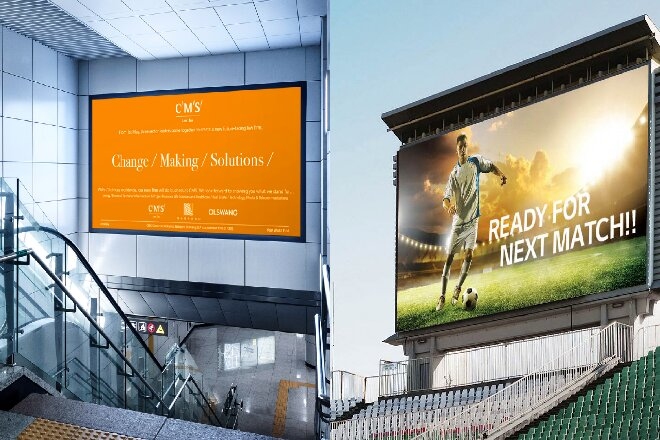
- Indoor Ambient Control: Indoor LED screens work in controlled light and need moderate brightness to reduce eye strain. The KU HD LED Video Walloffers a range of 600 to 1000 nits along with a high 8000:1 contrast ratio. This keeps text and color changes easy to see.
- Outdoor Sunlight Surcharges: Outdoor LED screens face direct sunlight and must stay visible. The KBPlus Outdoor Front-Service Billboard LED Screen reaches up to 7000 nits. This maintains bright, clear marketing content even in midday sun.
- Automated Brightness Management: Smart sensors adjust output between day and night. They help lower power use over time.
Mechanical and Environmental Protection Standards
Hardware durability comes down to how well the housing stands up to wear and weather. Indoor panels focus on being compact and light. Outdoor versions need stronger construction.
Ingress Protection (IP) Ratings for Outdoor Durability
Moisture, wind, and dust often cause early failures in outdoor electronics.
- IP65 Severe Weather Defense: Outdoor designs demand strong sealing for reliable year-round performance. The KBPlus Outdoor series holds IP65 certification for waterproof and dustproof protection. This stops rain and dust from reaching internal parts.
- Indoor Protection Norms: Indoor LED screens stay sheltered from liquids. They work safely with lower IP ratings. This approach cuts down on extra housing costs and weight when evaluating bulk prices.
Cabinet Material, Weight, and Heat Dissipation
Cabinet strength varies based on weight limits and available ventilation.
- Slim Indoor Engineering: Indoor LED screens may lack heavy support, so panels must stay lightweight. The KV Indoor Fixed LED Screen uses an ultra-slim 54mm cabinet. This allows quick wall mounting with minimal changes to the site.
- Rugged Outdoor Frameworks: Outdoor LED screens deal with strong winds and higher temperatures. Products like the KR Outdoor Fixed LED Display use sturdy steel or aluminum cabinets. They include a custom heat dissipation design that reduces the need for separate air conditioning.
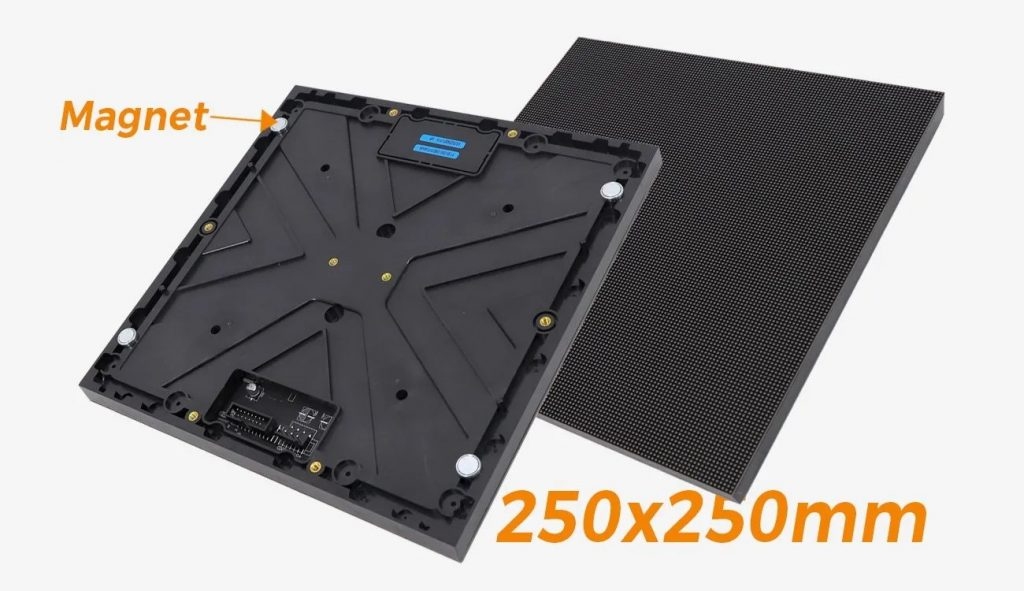
Comprehensive Technical Comparison Table
The following matrix shows the main baseline differences needed for planning.
| Technical Parameter | Indoor LED Screens | Outdoor LED Screens |
| Pixel Pitch Range | 0.9mm – 2.5mm (Ultra-Fine Resolution) | 2.5mm – 10mm+ (Large Format Scale) |
| Brightness (Nits) | 600 – 1,100 nits (Anti-Glare Optimized) | 4,000 – 7,000+ nits (High Ambient Contrast) |
| IP Rating Barrier | Typically IP43 (Internal dust barriers) | Full IP65 Front/Rear (Waterproof & Dustproof) |
| Cabinet Depth | Ultra-Slim ~54mm Profiling | Sturdy, Reinforced Engineering |
| Maintenance Mode | 100% Full Front Service | Flexible Front or Rear Access Configurations |
Targeted Application Scenarios and Customized Solutions
Knowing the details of your commercial space matters when choosing an Indoor/Outdoor LED Screen. King Visionled matches solid technology to real operational needs through custom engineering.
High-Traffic Commercial Indoor Environments
Indoor venues call for sharp close-up visuals and quiet running to support customer engagement.
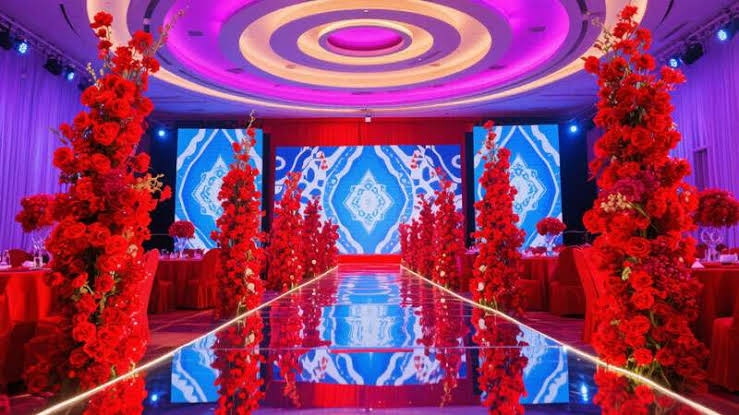
- Retail Mall Atriums: Shopping malls use the KV Indoor Fixed LED Screenfor product promotions viewed up close. Its fanless cooling meets noise rules while delivering 16-bit grayscale for realistic colors.
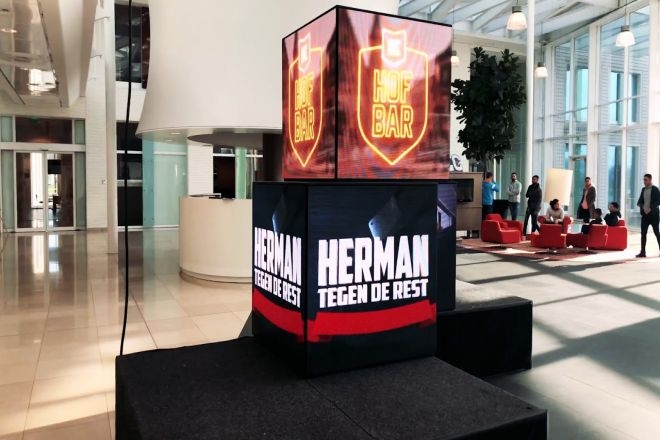
- Corporate Exhibition Halls: Corporate buyers often create seamless screens with standard modules arranged around columns.
High-Impact Outdoor Advertising and DOOH
Outdoor digital-out-of-home applications require wide viewing angles and designs that catch attention.
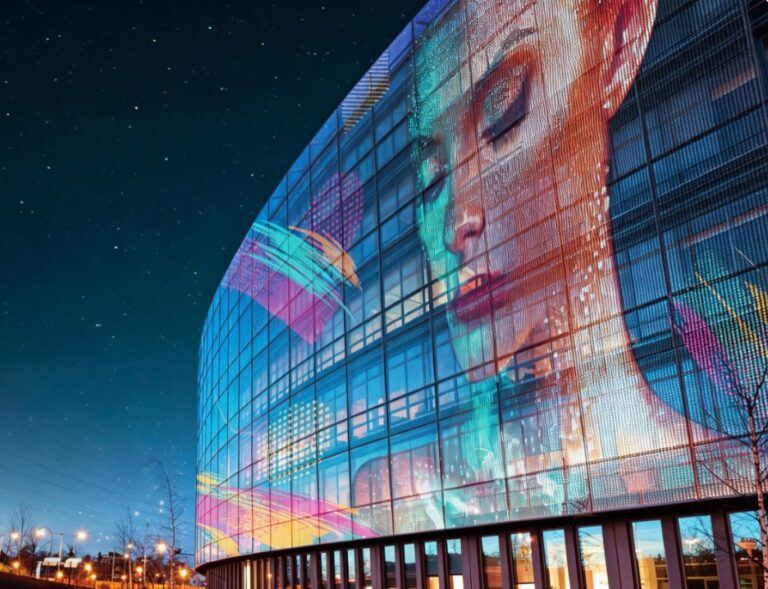
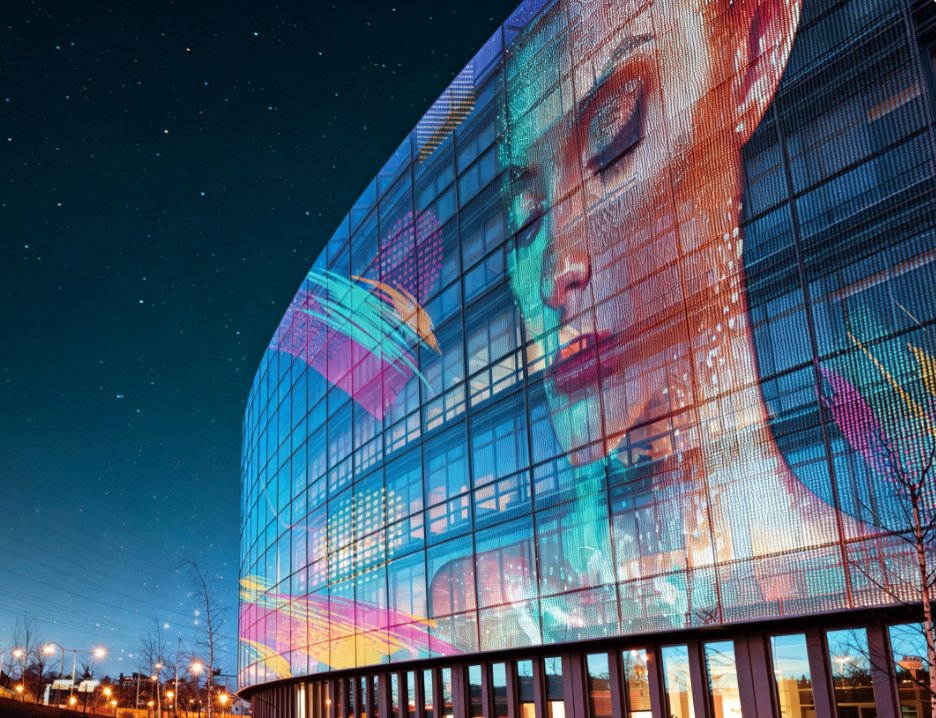
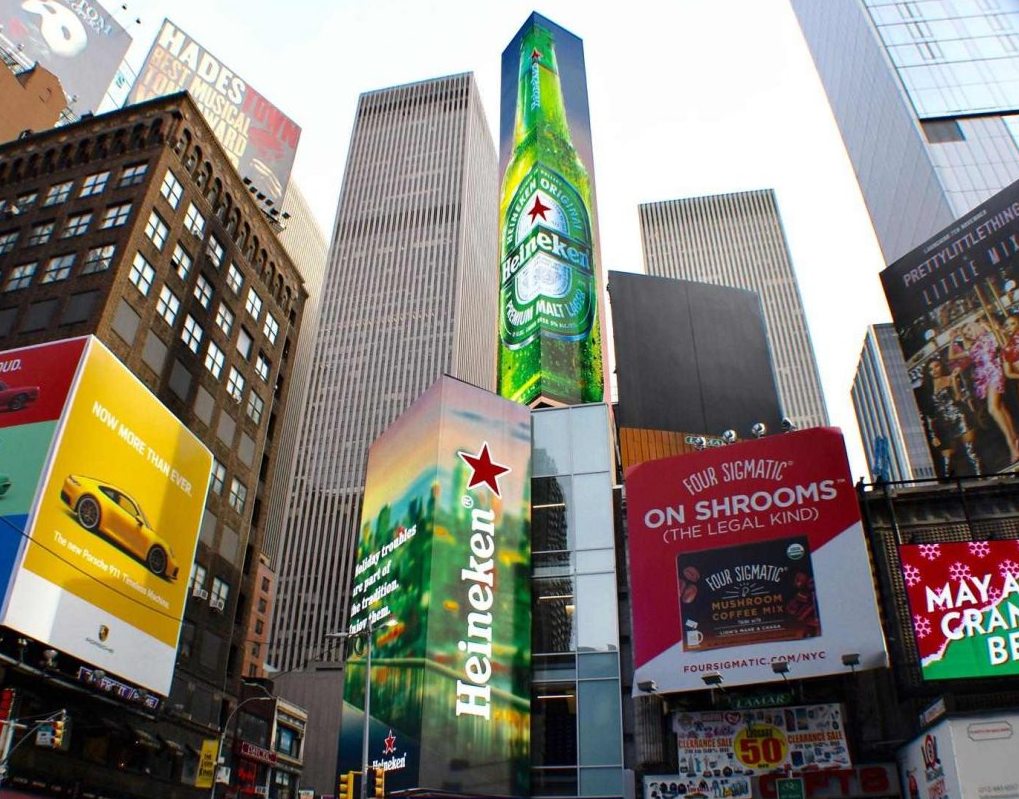
- Naked-Eye 3D Billboards: Urban centers apply KR Outdoor Fixed LED Display units with 90-degree curved cabinets. This setup overcomes the limits of flat screens and creates optical effects that draw crowds.
- Smart City Terminals: Highway or street locations install pole-mounted screens for synchronized campaigns sent through remote 4G networks.
Why Sourcing from King Visionled Minimizes B2B Sourcing Risks
Buying valuable display systems needs a wholesale partner that supports long-term reliability. King Visionled combines careful manufacturing with strong after-sales service.
- Strict Quality Assurances: All products pass thorough aging tests before shipment. They come with a 5-year factory warranty.
- Global Support Deployment: Customers can enjoy 24/7 technical hotline service, which will assist you with system integration.
Are you ready to move forward with a high-performance Indoor/Outdoor LED Screen? Contact King Visionled today for factory-direct wholesale pricing. You can receive a customized layout within 24 hours.
[Request a Quote Now – admin@kingvisionledscreen.com / +86 135 8011 5134]
FAQ
Q: What are the operational consequences of installing an indoor LED screen in an outdoor environment?
A: Placing an indoor LED screen outside quickly causes overheating and water damage. Indoor modules do not have IP65 protection, so rain can lead to short circuits. In addition, their brightness of 600–1000 nits falls short of daylight, making the screen nearly impossible to read in sunlight.
Q: How does pixel pitch affect the overall cost and return on investment for large-scale displays?
A: Pixel pitch sets the number of diodes per square meter. A smaller pitch increases the count of LED lamps and raises production costs. Selecting a pitch too fine for distant viewing spends money on detail that people cannot see from far away. Matching the viewing distance to the correct pitch delivers strong visual results while controlling expenses.
Q: Why is 16-bit grayscale critical for commercial advertising displays?
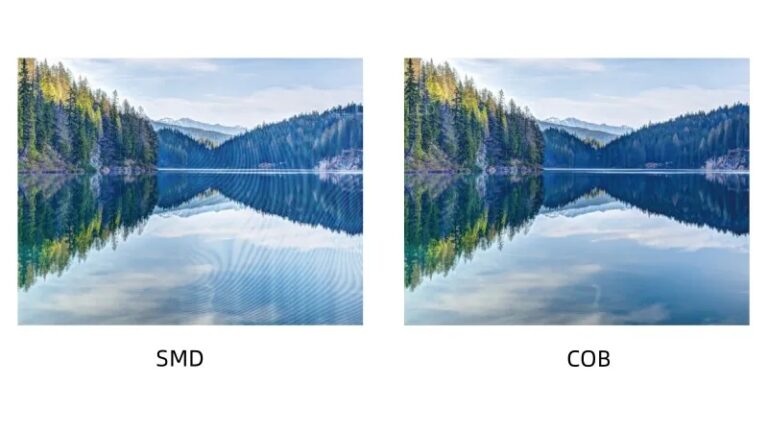
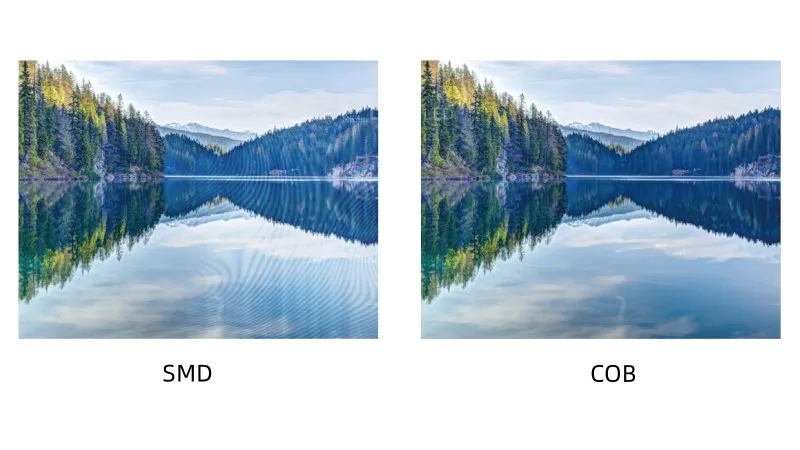
A: Grayscale controls color depth and shading on the screen. Lower levels create banding and uneven gradients that hurt video quality. A 16-bit depth handles billions of colors. This produces lifelike images, smooth transitions, and clear details needed for professional ads.
Q: What is the difference between front-service and rear-service LED screen cabinets?
A: Front-service cabinets let modules detach from the front with magnetic or vacuum tools. This works well for wall-mounted indoor screens where back access is limited. Rear-service designs need space behind the structure for maintenance.